Secret Service Faces Questions After Shots Fired at White House Dinner
Shots outside the Washington Hilton forced Trump’s evacuation and revived questions about why the dinner lacked top security status.
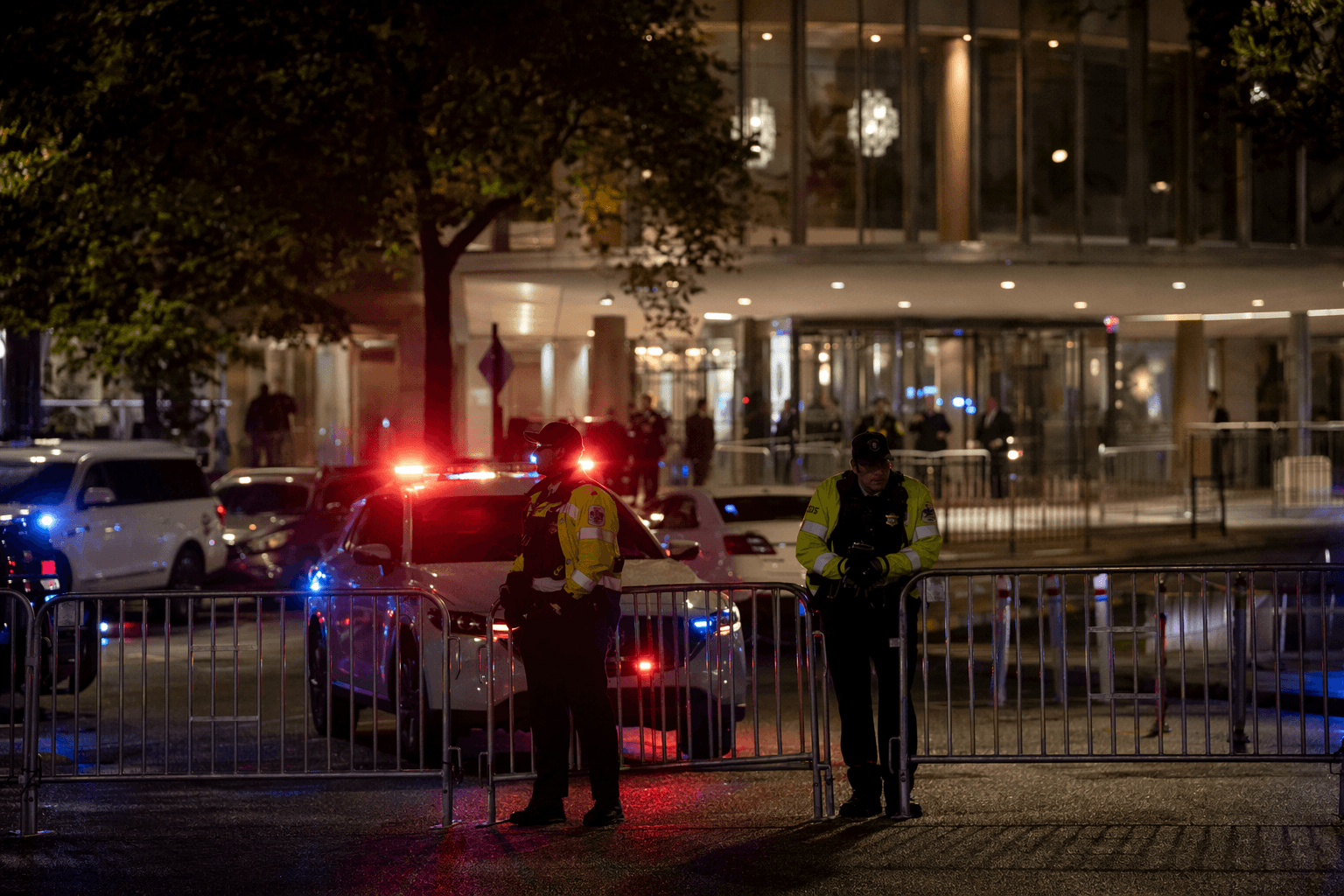
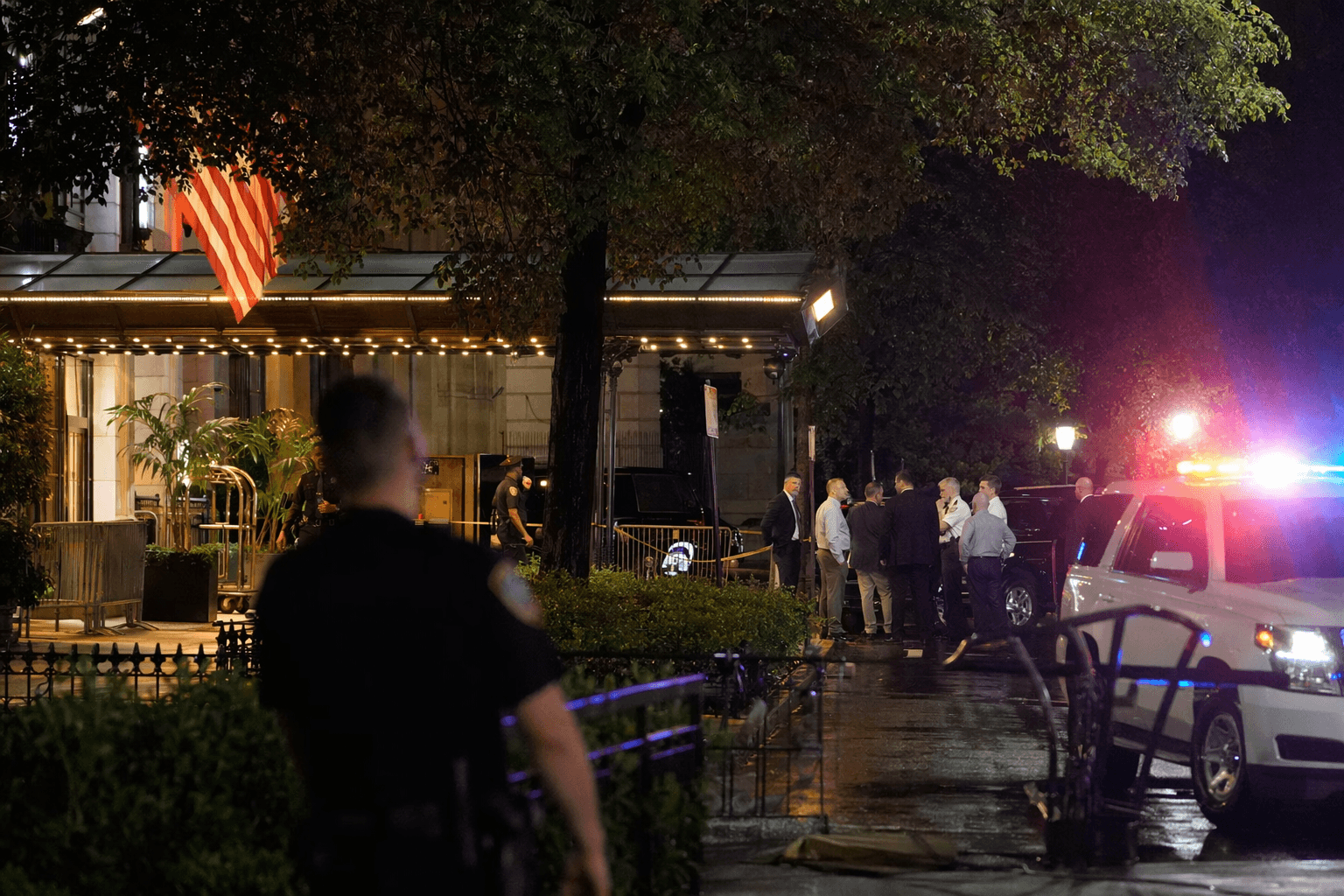
Shots fired outside the ballroom at the Washington Hilton turned the White House Correspondents’ Dinner into a live test of federal protection, and President Trump’s safe evacuation did not end the scrutiny. It only sharpened it.
Authorities identified the suspect as 31-year-old Cole Allen of Torrance, California, and said he was charged with attempting to assassinate Trump. Investigators said Allen allegedly bought the firearms used in the attack in 2023 and 2025, traveled by train from the West Coast to Washington, and wrote a statement they described as a manifesto targeting Trump administration officials. Those details point to a threat that was planned, mobile and aimed squarely at the presidency.
The White House said Monday that it would review presidential security in response to the shooting. Press secretary Karoline Leavitt said, “If adjustments need to be made to protect the president, they will be made.” That response may calm nerves, but it also raises the harder question of whether the existing plan matched the risks of the night, especially at an event that brought the president and many Cabinet members into a public hotel ballroom.
One reason the episode is drawing so much attention is that the dinner was not given top security status, a designation that would have unlocked the full weight of federal resources. That fact will frame the debate over the Secret Service’s performance. Getting the president out alive is the baseline for success, not the whole measure of it. The real test is whether a protective operation can prevent a gunman from getting close enough to force an emergency evacuation in the first place.
The venue itself carries a grim history. Ronald Reagan was shot there by John Hinckley Jr. on March 30, 1981, a trauma that has long tied the Washington Hilton to Secret Service planning and presidential vulnerability. The correspondents’ dinner, held since 1914, has become one of Washington’s defining political-media events, built on access, proximity and the illusion that elite gatherings can be made fully secure.
This shooting exposed the limits of that illusion. Public events cannot be locked down like military zones, and a ballroom full of officials, staff and guests creates openings that no security posture can completely erase. The question now is not whether the Secret Service moved in time once the shots rang out. It is whether the system assumed enough risk, placed enough layers in the right places and understood how quickly a formal dinner can become a security crisis.
Know something we missed? Have a correction or additional information?
Submit a Tip