White House reviews presidential security after shooting at correspondents dinner
A suspect who slipped in as a hotel guest breached the outer security ring at the Correspondents' Dinner, prompting a White House review of presidential protection.
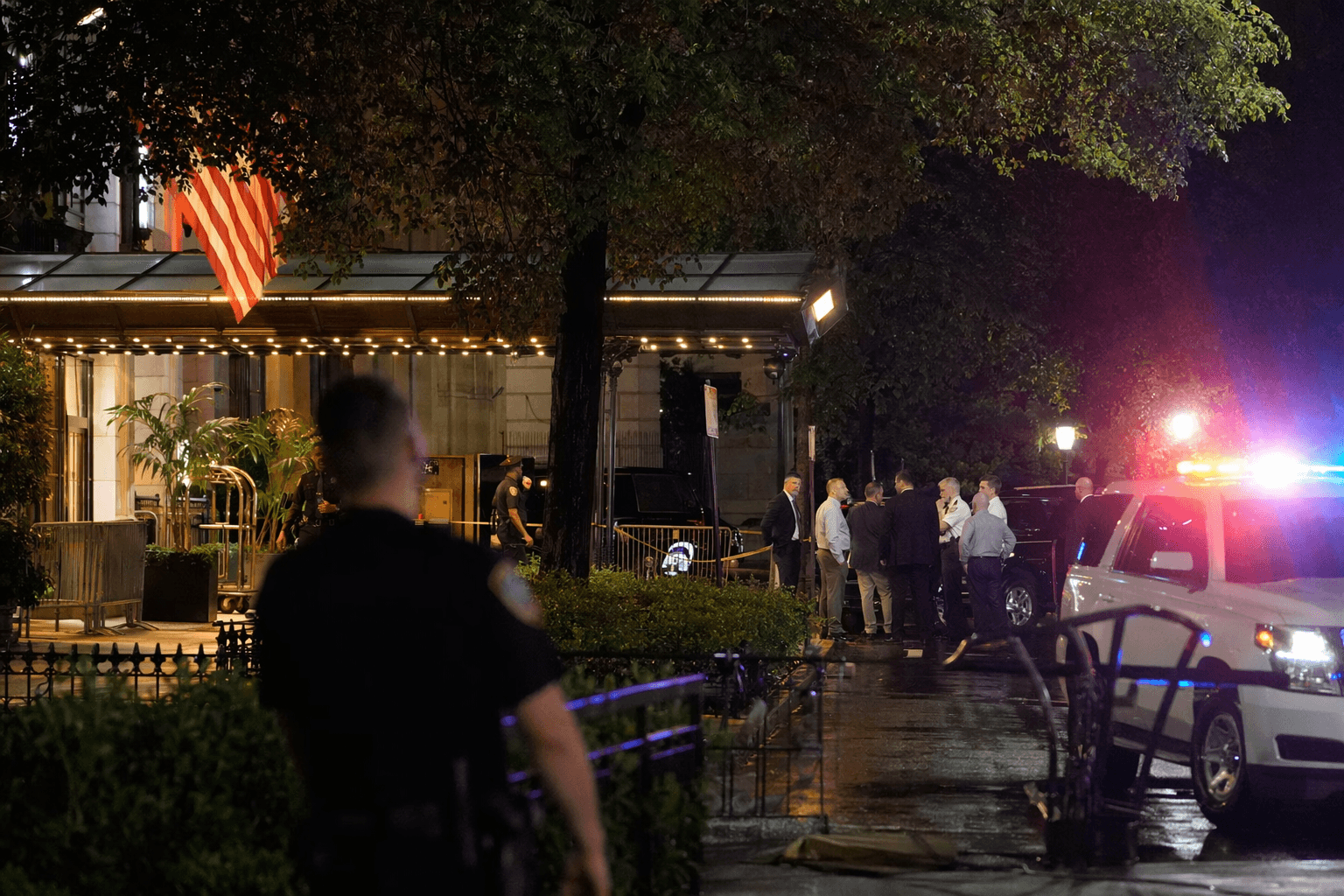
The White House moved Monday to reassess how it protects the president after a man armed with a shotgun, a handgun and multiple knives got close enough to trigger gunfire inside the Washington Hilton during the White House Correspondents’ Dinner. Karoline Leavitt said, “If adjustments need to be made to protect the president, they will be made,” underscoring how the shooting exposed a blunt vulnerability: the layered security around the ballroom held, but the outermost perimeter did not.
The suspected shooter, identified as Cole Tomas Allen, 31, of Torrance, California, appears to have entered the hotel as a guest and may have gotten past the first line of screening, even though access was restricted to guests, ticketed attendees and invited guests. The hotel had been closed to the public beginning at 2 p.m. ET, and the ballroom entrance was guarded with ticket checks and magnetometers operated by the Secret Service and the Transportation Security Administration. Officials said the suspect charged a security checkpoint before the shooting erupted.
President Donald Trump, first lady Melania Trump and Vice President JD Vance were in the room when shots were heard and were evacuated from the ballroom. NBC News reported that a Secret Service officer was shot during the incident but was wearing a bullet-resistant vest and was not seriously harmed. The White House said senior Homeland Security, Secret Service and White House operations officials are expected to meet this week in a session led by Chief of Staff Susie Wiles to review the agency’s protective posture and decide whether changes are warranted.
What is now on the table is a tighter version of the same architecture that already wrapped the dinner: stronger control over who gets inside the hotel, more aggressive guest verification, and possibly a narrower perimeter for movement between public areas and secure spaces. The Washington Hilton was built with presidential protection in mind, including a special entrance for the president and a holding room behind the stage, features added after Ronald Reagan was shot outside the hotel in 1981. The shooting showed that even that design can still be stressed when an armed intruder reaches the first layer.
Weijia Jiang, president of the White House Correspondents’ Association, called the shooting a “harrowing moment” and said the board would meet to review what happened. Trump later praised the agents’ response, drew a parallel to the 2024 assassination attempt in Butler, Pennsylvania, and said the annual dinner would be rescheduled within 30 days. Across Washington and at political events nationwide, the likely result is a harder line between access and safety, a tradeoff that could mean more screening, earlier closures and fewer open edges for press and guests alike.
This article was produced by Prism’s automated news system from verified source data, official records, and press releases, then run through automated quality and moderation checks before publishing. The system is built and supervised by the people who set the standards it runs under. Read our full AI policy.
Did this article answer your question?