Search intensifies for five missing after cargo ship Mariana capsizes in Pacific
Search crews are sweeping more than 75,000 square nautical miles after the Mariana overturned, with five crew still missing and one body recovered from inside the ship.
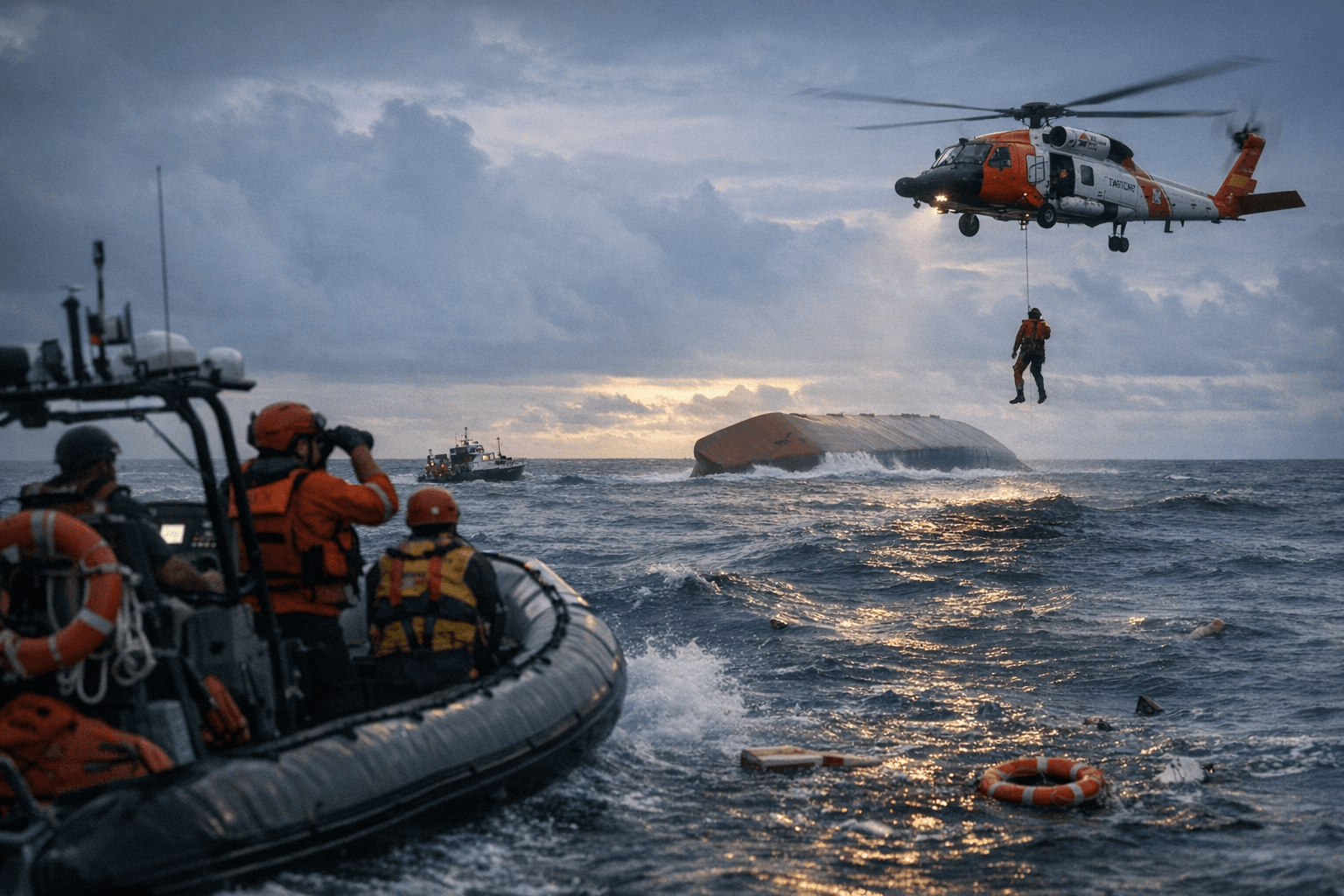
Bright new images and video from the Pacific show a search effort stretched across a vast, rough corridor of water after the 145-foot U.S.-flagged dry cargo ship Mariana capsized near the Northern Mariana Islands, leaving five crew members missing and one dead. The overturned vessel was later found northeast of Pagan, far from the point where it first reported a disabled starboard engine about 125 nautical miles northwest of Saipan on April 15, just as Typhoon Sinlaku was moving toward the region.
The search has become a multinational operation because of the distance, the weather and the uncertainty facing the crew. U.S. Coast Guard crews, the U.S. Air Force 31st Rescue Squadron, U.S. Navy Patrol Squadron 26, Japan Coast Guard assets and a Royal New Zealand Air Force P-8A Poseidon aircraft have all been involved. Coast Guard officials said the response has now covered more than 75,000 square nautical miles, a sign of how quickly a capsized ship can be carried across open ocean and how hard it can be to narrow a search when winds and current keep shifting the scene.
Officials are also still looking for an orange 12-person life raft reported missing in the area. Associated Press video showed debris that included a partially submerged life raft that appeared partly inflated, seen 95 nautical miles northeast of the vessel. That detail matters because survival in this kind of emergency depends on whether crew members reached flotation, had time to board a raft, and could stay visible long enough for aircraft or ships to find them.
The Coast Guard recovered one deceased crew member from inside the overturned Mariana during dive operations at about 5:12 p.m. Monday, and authorities said the search for the other five continued through the storm’s heavy winds and rough seas. Cmdr. Preston Hieb said, “our hearts are with the crew families and communities affected by this tragedy.”
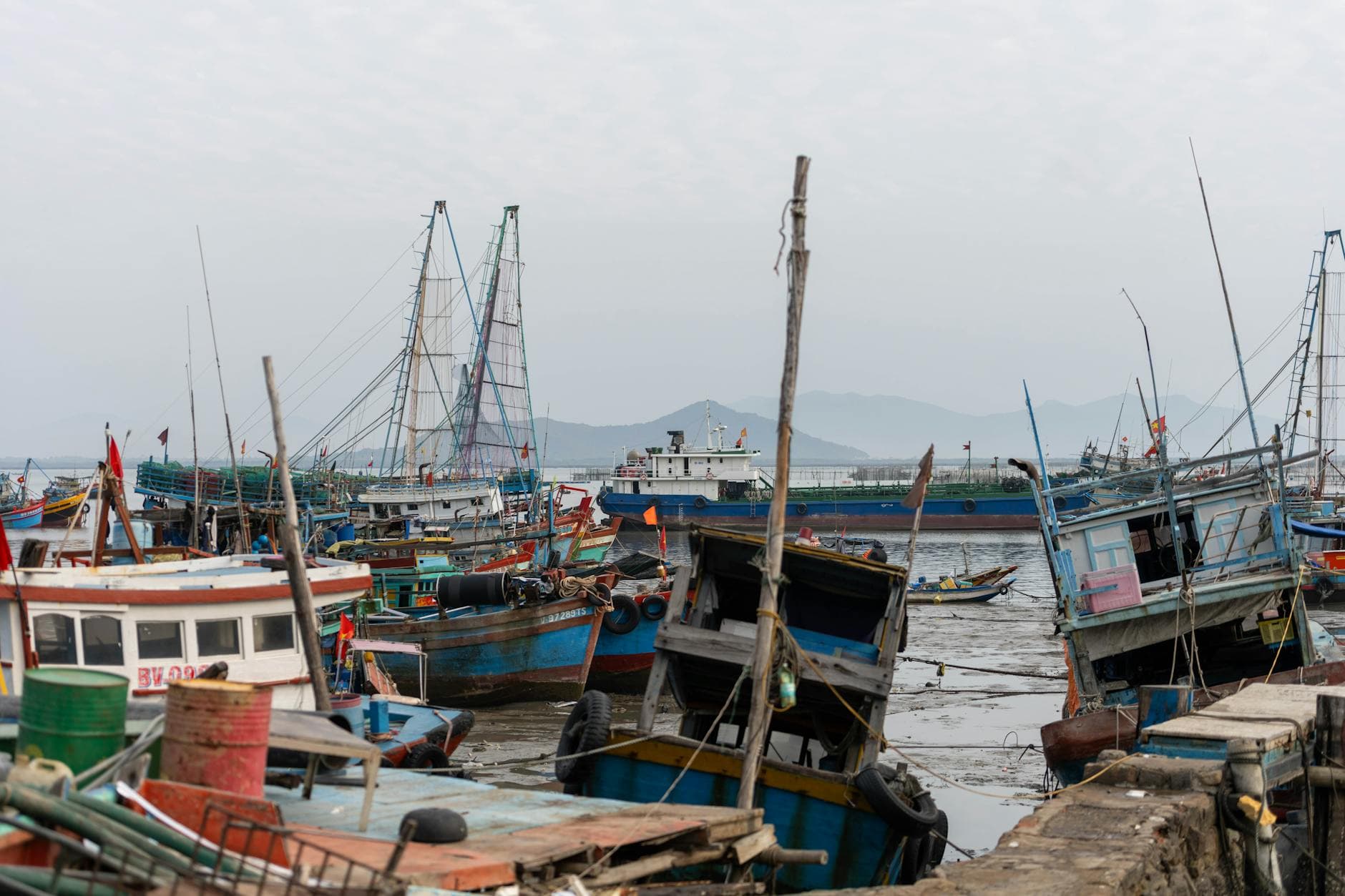
The Mariana’s age is also drawing attention. Maritime databases identify it as a 1981-built vessel, originally an offshore supply ship that was later used for cargo runs between Guam, Tinian and Saipan. That history reflects the small but essential freight network that keeps island communities supplied, often with older ships operating on tight regional routes and in weather that can change fast.
For the families waiting in Guam, Saipan and elsewhere in the Northern Mariana Islands, the search has become a race against exposure, distance and time. Every additional hour at sea makes rescue harder, even as the multinational sweep continues across one of the most unforgiving stretches of the Pacific.
This article was produced by Prism’s automated news system from verified source data, official records, and press releases, then run through automated quality and moderation checks before publishing. The system is built and supervised by the people who set the standards it runs under. Read our full AI policy.
Did this article answer your question?