Trump Says U.S. Munitions Are Fine, Questions Persist Over Long-Term Supply
U.S. officials say current stocks can sustain the Iran campaign, but Tomahawk and interceptor inventories may take years to rebuild.
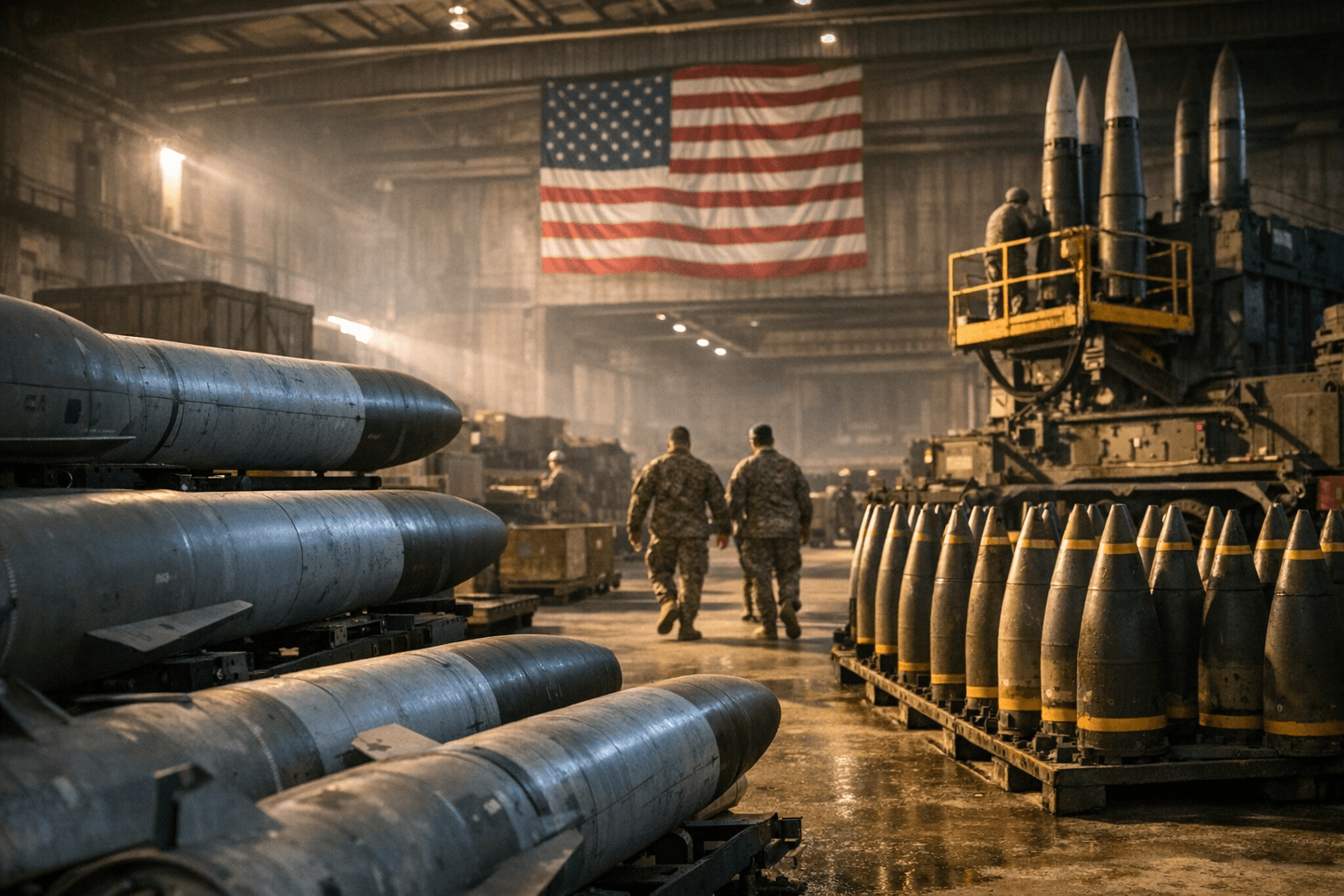
The Pentagon is projecting confidence, but the harder question is whether the United States can refill its magazines fast enough to deter the next war. President Donald J. Trump has called U.S. munitions “virtually unlimited,” yet the conflict with Iran has exposed how quickly precision weapons and air-defense interceptors can be consumed in sustained operations.
The United States and Israel launched military operations against Iran on February 28, 2026, and the scale of the campaign has been substantial. The Congressional Research Service said on March 12 that U.S. and Israeli operations had already involved nearly 2,000 targets and more than 2,000 munitions in the first days of the fighting, later rising to more than 5,000 targets struck. Iran fired more than 500 ballistic missiles and more than 2,000 drones, many of them intercepted by U.S. and regional partners. Public reports say American forces used Patriot and THAAD interceptors, Tomahawk cruise missiles, HIMARS rockets, guided bombs and LUCAS attack drones.
Defense officials have tried to calm worries about immediate shortages. On March 4, Undersecretary of War for Acquisition and Sustainment Michael Duffey told lawmakers he had “great confidence” in Gen. Dan Caine’s assessment that the military had adequate munitions for current and future operations. Caine said the United States had “sufficient precision munitions for the task at hand, both on the offense and defense.” But officials have not published precise counts, citing operational security, which leaves Congress pressing for more detail on inventories that many lawmakers now view as strategically sensitive.

The biggest pressure point is not broad munitions availability, but the small pool of high-end weapons that are costly and slow to replace. Tomahawk stocks stand out. Defense analysts noted that fiscal year 2025 funded 18 Tomahawk missiles, while the fiscal 2026 request sought 57, all financed through reconciliation rather than the base budget. That pace matters because Tomahawks, like advanced interceptors, are not easy to surge in the middle of a crisis. Analysts warned that if the war drags on, offensive inventories could shrink while interceptor stocks are further drained by continued Iranian strikes and any renewed Houthi attacks in the Red Sea.
The broader warning is about readiness after the shooting stops. The United States already drew down munitions during support for Ukraine, and the Red Sea campaign has burned through expensive air-defense interceptors against cheaper threats. Analysts at CSIS have said the military still has enough to continue the Iran war, but replenishing high-end stocks could take years at current production rates. Trump’s ceasefire extension has bought Washington time to re-arm U.S. assets in the Middle East, but it has not answered the larger question: whether the defense industrial base can sustain deterrence if another major conflict erupts before the stockpiles are rebuilt.
This article was produced by Prism’s automated news system from verified source data, official records, and press releases, then run through automated quality and moderation checks before publishing. The system is built and supervised by the people who set the standards it runs under. Read our full AI policy.
Did this article answer your question?

