Seaways Kenosha Rescues 27 From Burning Tuna Seiner La Pena
Seaways Kenosha diverted about 100 miles to rescue 27 crewmembers from the burning tuna seiner La Pena roughly 500 miles north of the Galapagos; two-way satellite messaging and AMVER coordination were key.
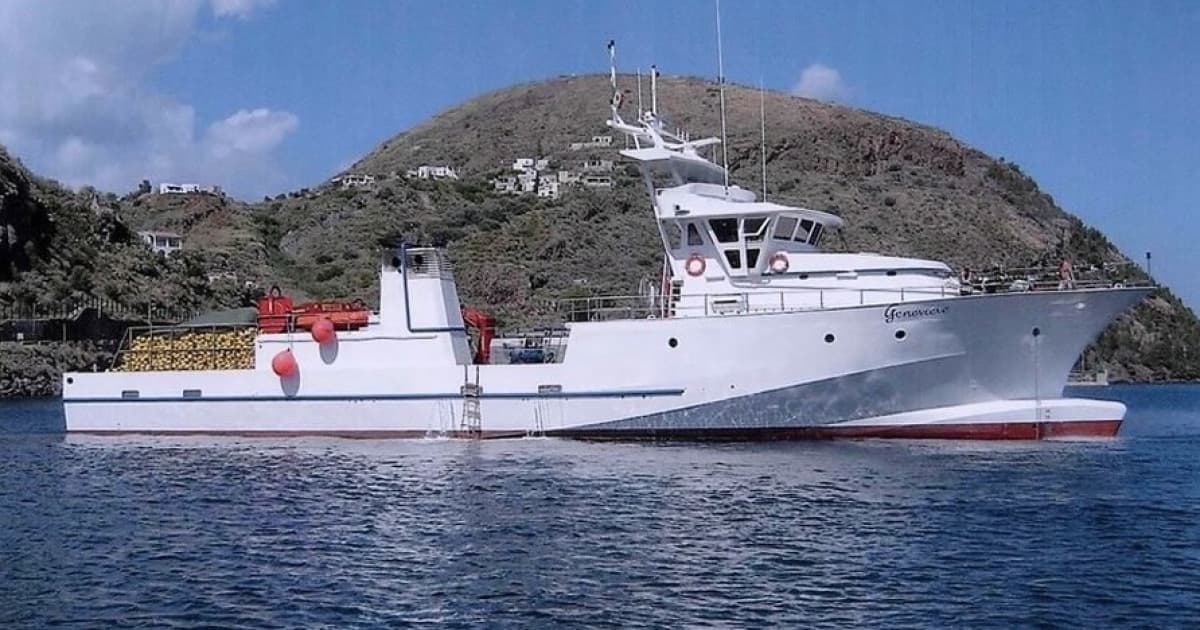
Twenty-seven crewmembers of the 240-foot Venezuelan tuna seiner La Pena were recovered from an emergency lifeboat after their vessel caught fire and went down roughly 500 miles north of the Galapagos Islands. The merchant vessel Seaways Kenosha diverted from its route, arrived on scene in the small hours and brought all survivors aboard; no serious injuries were reported.
The emergency began when a handheld Garmin satellite messaging device aboard La Pena sent an SOS to Garmin’s command center late Saturday afternoon at about 1550 Pacific. Rescue Coordination Center Alameda (RCC Alameda) in Alameda, California received the alert and began coordinating a response using AMVER queries and SafetyNet and SafetyCAST broadcasts to ships in the area. With conventional search-and-rescue assets thin in that part of the Eastern Pacific, the presence of commercial traffic on nearby sea lanes proved decisive.
RCC Alameda established a battery-conservation plan with the survivors, instructing them to preserve the Garmin unit’s power while maintaining periodic position checks. "To conserve power for communications, watchstanders in Alameda told them to turn it off for 90 minutes, then turn it on to send an update." At the time of initial contact the device showed about 37 percent battery remaining, a level watchdogs feared might decline before other assets could arrive.
An AMVER query identified a small number of merchant ships within roughly 100–115 miles; Seaways Kenosha volunteered to divert and steamed back toward the lifeboat overnight. The tanker doubled back and "arrived on scene at about 0330 hours on Sunday. Her crew recovered all of the survivors from La Pena, and the ship resumed her commercial voyage to La Pampilla, Peru." Conditions at the scene were reported as 5-foot seas and 10-knot winds.
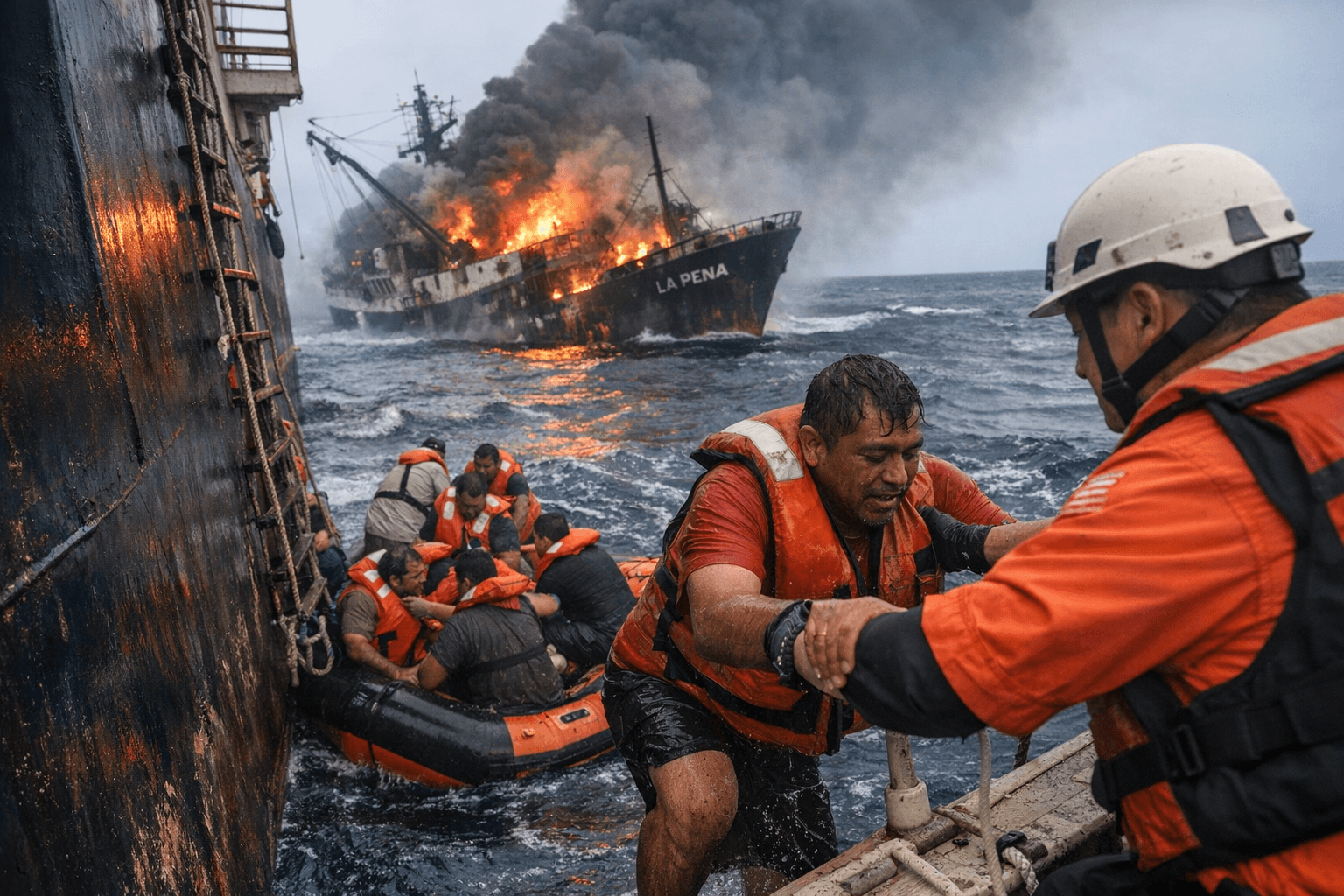
RCC Alameda and Coast Guard personnel credited vigilant watchstanders and interagency coordination for the positive outcome. Capt. Patrick Dill, chief of incident management for Coast Guard Southwest District, said, "The outcome of this case is a direct result of the vigilance and professionalism of our watchstanders, who quickly pieced together limited information, coordinated with multiple domestic and international partners and directed nearby vessels to the scene,"
All 27 crewmembers were taken aboard Seaways Kenosha after evacuating into the lifeboat; survivors reported having "no lifejackets or provisions on board with them." One previously reported injury was assessed as non-life-threatening. A planned HC-130 aircraft delivery of emergency supplies was stood down after the successful recovery, and the Coast Guard National Command Center continued to monitor and coordinate plans to return the crewmembers to shore.
For tuna skippers and crews, the episode underscores several practical points: two-way satellite messaging can make a life-or-death difference in remote waters; AMVER and merchant ships remain crucial search-and-rescue partners; and lifeboat provisioning and personal flotation device availability are not optional. Verify emergency communications gear, confirm lifeboat survival stores and battery expectations for satcom units before heading offshore. Authorities have not released an official cause for the fire, exact coordinates, or final disembarkation details; those items remain subject to follow-up by RCC Alameda and flag-state investigators.
Know something we missed? Have a correction or additional information?
Submit a Tip