Second Islamabad lockdown hits as U.S.-Iran talks collapse again
Businesses shuttered and traffic stopped in Islamabad for U.S.-Iran talks that never came, leaving the capital to absorb the cost of diplomatic whiplash.
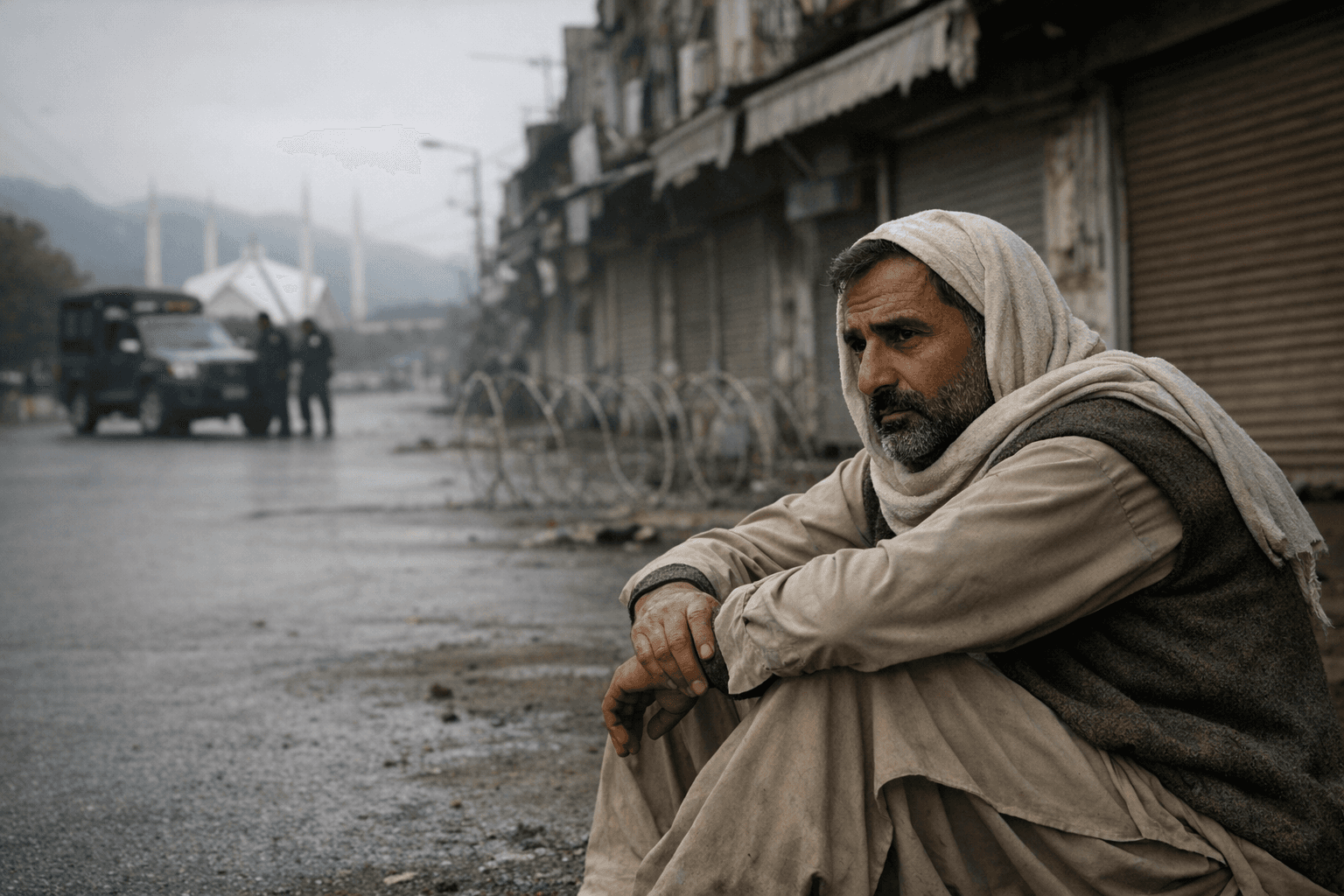
Shuttered storefronts, blocked roads and a citywide sense of waiting marked Islamabad’s second lockdown in two weeks, even though the U.S.-Iran talks it was meant to protect never materialized. One business owner captured the frustration bluntly: “What did I close my business for?”
Pakistan had tightened the capital again around key sites including the Serena Hotel and the Red Zone, extending roadblocks and security restrictions as officials prepared for a second round of negotiations that never happened. Offices and schools were shifted online, heavy transport was halted and ordinary movement across Islamabad slowed to a crawl while authorities kept telling residents that talks could happen any day.
The failed setup came after the city was first sealed off on April 11, when U.S. and Iranian delegates met in Islamabad and spent about 21 hours in talks before leaving without a deal. That encounter was the first direct U.S.-Iran meeting in more than a decade and the most senior engagement between the two sides since Iran’s 1979 Islamic Revolution. The brief reopening that followed was short-lived.
This time, the diplomatic choreography broke down before the meeting could begin. Iranian officials said no meeting with U.S. negotiators was planned, and the Iranian delegation later left Pakistan. Abbas Araqchi, Iran’s foreign minister, had laid out Iran’s demands in Islamabad, but the gap between Washington and Tehran remained wide. U.S. officials had believed an Iranian delegation would likely travel to the Pakistani capital, yet the two sides were still far apart on the central dispute: Washington wanted a verifiable end to any nuclear weapons pathway, while Tehran pushed back against what it described as maximalist U.S. demands.
The talks were never only about one meeting room in Islamabad. They sat inside a broader effort to prevent a wider war that had already killed thousands and unsettled global markets, while disputes over Iran’s nuclear program, U.S. sanctions and the Strait of Hormuz kept the stakes high. In Islamabad, however, the cost was immediate and local: closed businesses, halted freight, rerouted commuters and a capital left to carry the burden of diplomacy that could not hold. The second lockdown made that fragility visible again, and it exposed how little ordinary people are told before the city is asked to pay for great-power brinkmanship.
This article was produced by Prism’s automated news system from verified source data, official records, and press releases, then run through automated quality and moderation checks before publishing. The system is built and supervised by the people who set the standards it runs under. Read our full AI policy.
Did this article answer your question?


