Seized ship heads toward Iran as Hormuz tension deepens
An unidentified vessel was taken toward Iran near Fujairah, sharpening fears that the Strait of Hormuz could turn into a flashpoint for oil and military escalation.

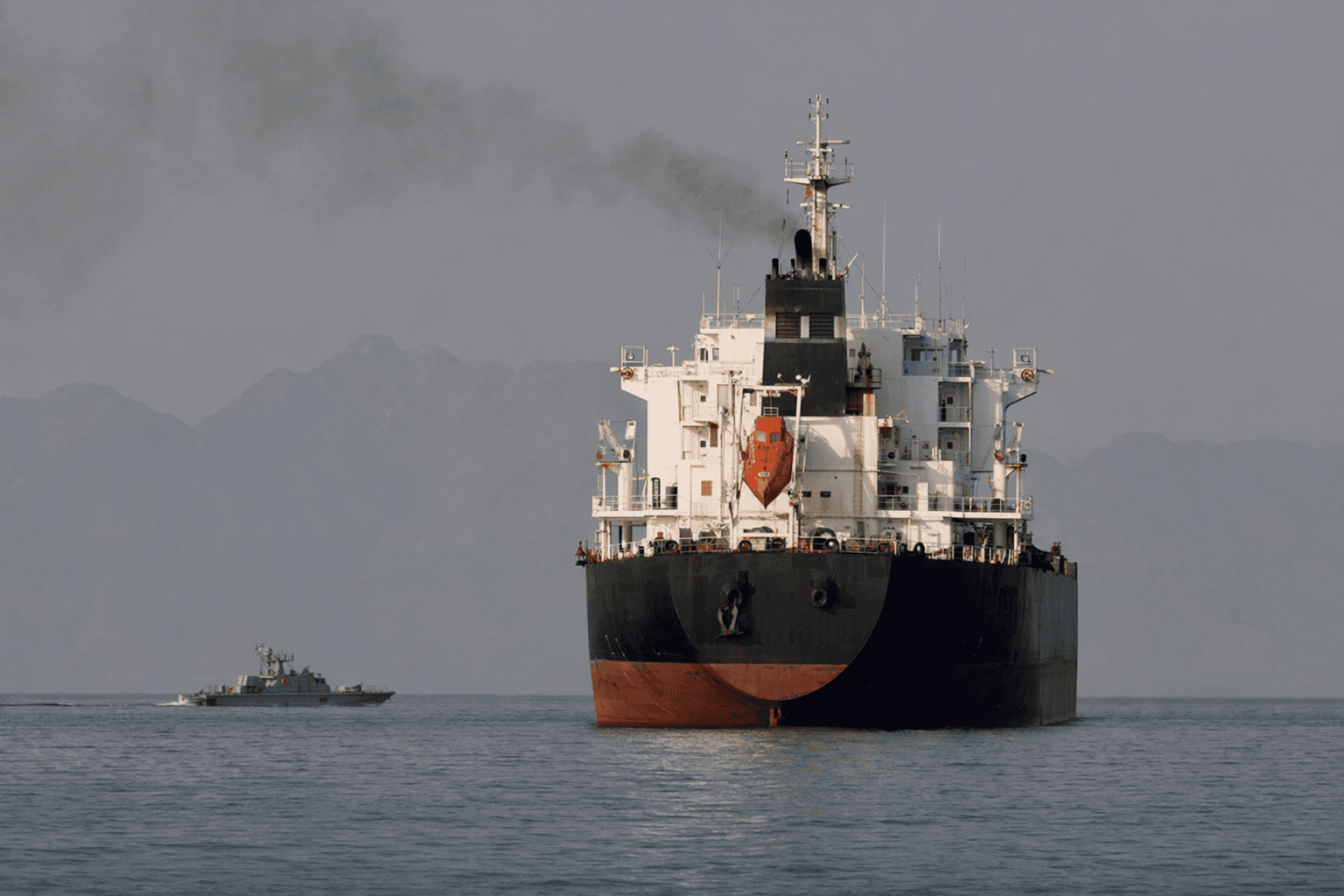
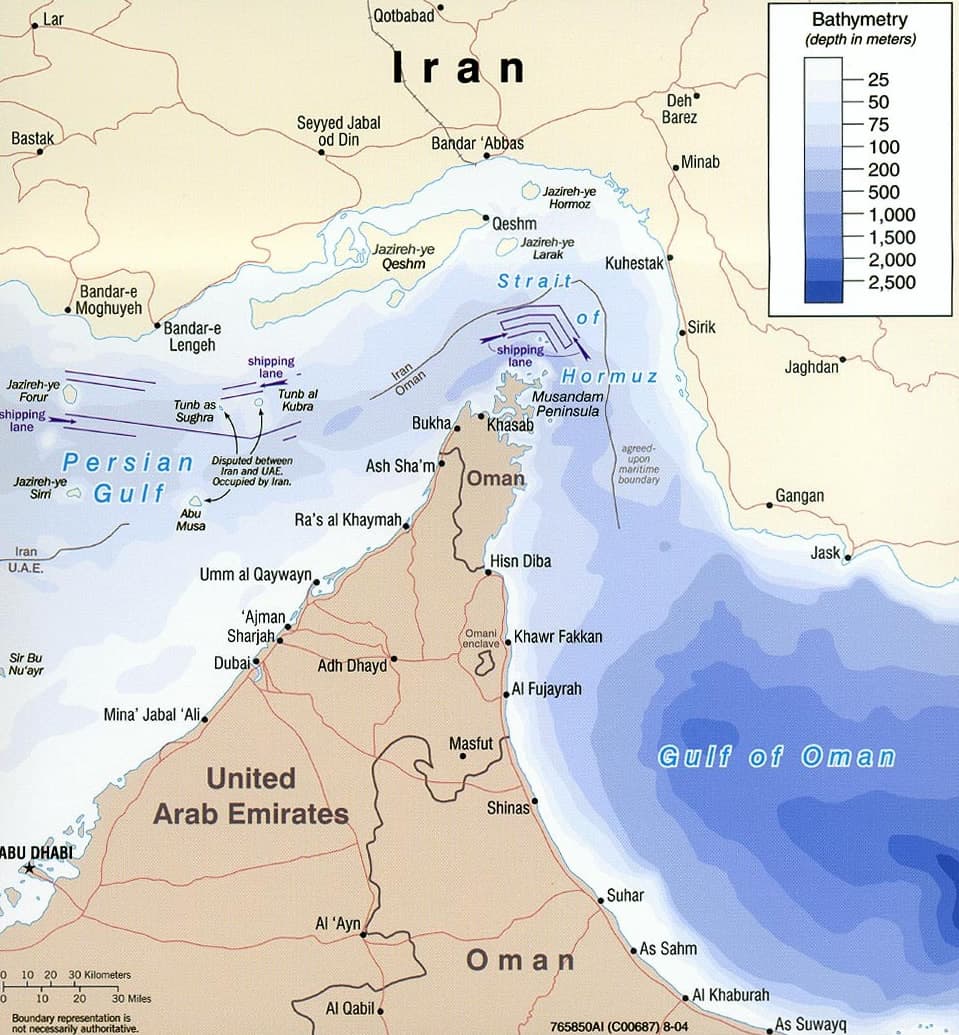
An unidentified vessel was taken toward Iranian waters near the entrance to the Strait of Hormuz, a narrow waterway that carries a fifth of the world’s oil and much of the Gulf’s gas exports. The incident unfolded after an Indian-flagged vessel was attacked off Oman, and the U.K. Maritime Trade Operations said unauthorized personnel boarded the ship while it was at anchor about 38 nautical miles northeast of Fujairah.
The ship’s identity was not immediately clear, adding to the fog around a volatile maritime episode that has already unsettled energy markets. Bloomberg reported that the vessel was bound for Iranian waters, heightening uncertainty over who controlled the ship and what the seizure meant for traffic through one of the world’s most important chokepoints.
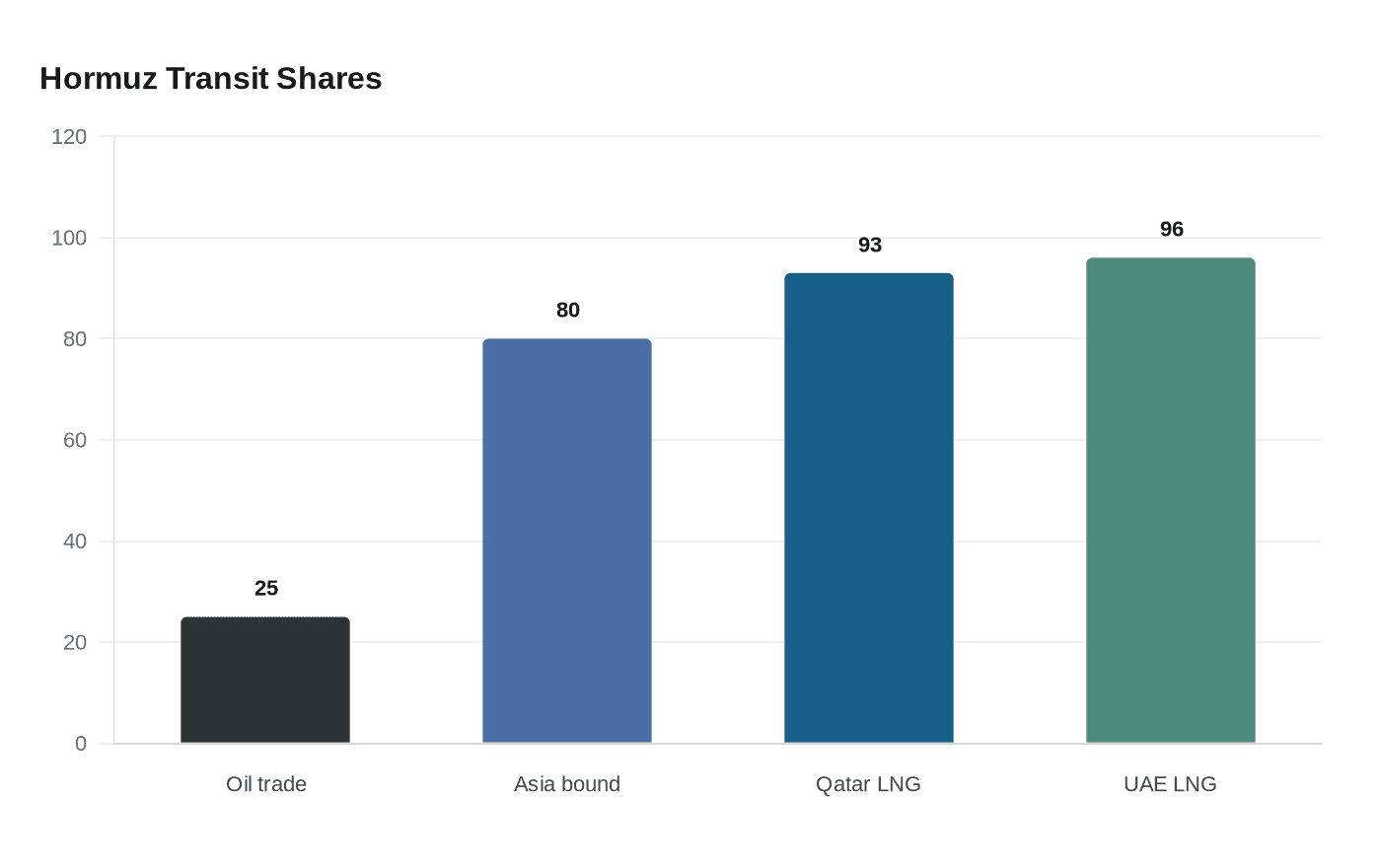
That chokepoint matters far beyond the Gulf. The International Energy Agency says about 20 million barrels a day of oil, roughly a quarter of global seaborne oil trade, passes through the Strait of Hormuz, with around 80% of that oil headed for Asia. The agency also says about 93% of Qatar’s liquefied natural gas exports and 96% of the United Arab Emirates’ LNG exports transit the strait. The U.S. Energy Information Administration says 2024 oil flows through the waterway averaged about 20 million barrels per day, more than one-quarter of global seaborne oil trade. Any disruption can quickly ripple into higher crude prices, more expensive shipping insurance, and tighter energy costs for American consumers.
The diplomatic stakes rose at the same time. A White House readout cited by CBS News said Donald Trump and Xi Jinping agreed in Beijing that the strait "must remain open" and that Iran can never have a nuclear weapon. That alignment between Washington and Beijing underscored how a maritime crisis in the Gulf can reach into global trade and great-power diplomacy at once.
Iranian Foreign Minister Abbas Araghchi added another flashpoint by accusing the United Arab Emirates of playing an active role in the U.S.-Israeli war against Iran. With regional shipping already rattled by drone and missile attacks and a fragile ceasefire environment, the seizure near Fujairah sharpened the risk that a maritime confrontation could draw in military forces, push oil prices higher, and deepen the pressure on a route that remains essential to the U.S. economy and the world’s energy supply.
This article was produced by Prism’s automated news system from verified source data, official records, and press releases, then run through automated quality and moderation checks before publishing. The system is built and supervised by the people who set the standards it runs under. Read our full AI policy.
Did this article answer your question?