Senate Approves $901 Billion Defense Bill, Presses Pentagon for Accountability
The Senate gives final passage today to a roughly $901 billion fiscal 2026 National Defense Authorization Act, sending the package to the White House for the president's signature. Beyond authorizing military programs and $400 million in annual Ukraine assistance for two years, the bill presses Defense Department leaders for oversight materials and advances broad business practice reforms that will shape budget fights in the months ahead.
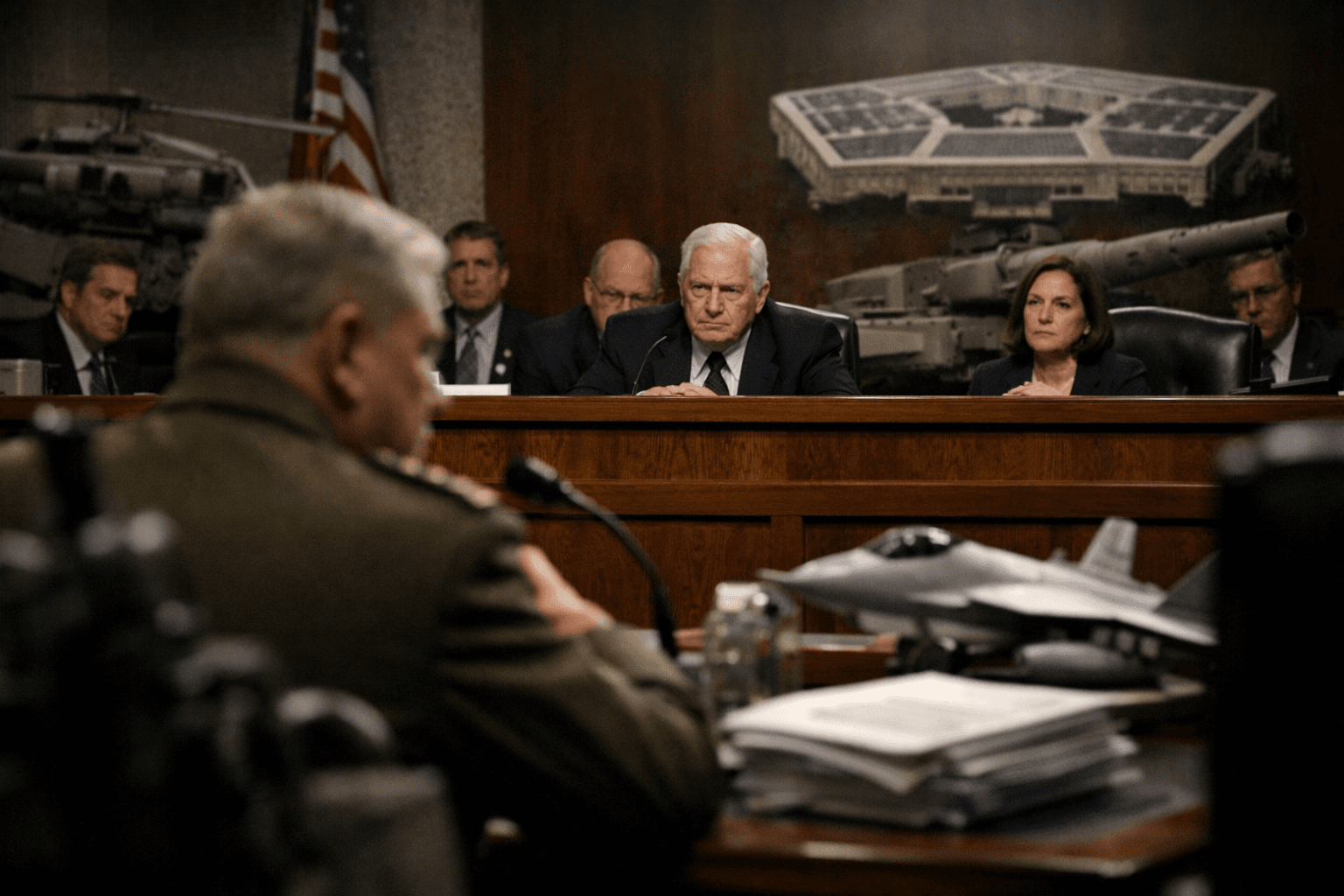
The Senate gives final passage today to the fiscal 2026 National Defense Authorization Act, authorizing roughly $901 billion in defense programs in a 77 to 20 vote as lawmakers push a year end spending and policy capstone to the White House. The House approved its version on Dec. 10 by a 312 to 112 margin, and congressional leaders and administration officials now move toward reconciling authorization with separate appropriations that must provide the actual cash for the fiscal year that ends Sept. 30, 2026.
The measure authorizes about $8 billion more than the $892.6 billion defense request the president submitted in May, reflecting negotiations that at points produced competing proposals as large as $925 billion. Sponsors and supporters framed the compromise as necessary to sustain U.S. military readiness, strengthen alliances and accelerate acquisition of next generation technologies. Senate Armed Services Committee Chair Sen. Roger Wicker hailed the changes as historic, saying, "We're about to pass, and the president will enthusiastically sign, the most sweeping upgrades to DOD's business practices in 60 years."
The NDAA also includes concrete foreign policy and security commitments, including a provision to provide $400 million in military assistance to Ukraine in each of the next two years and other measures aimed at bolstering U.S. commitments to European defense. Lawmakers described those allocations as part of a broader effort to deter aggression while stabilizing partnerships already strained by five years of major conflicts in Europe and the Middle East.
Oversight and transparency language in the bill drew sharp attention. The package contains directives pressing Defense Secretary Pete Hegseth to provide members of Congress with video and other information about U.S. strikes on alleged drug smuggling boats in international waters near Venezuela. Hegseth traveled to Capitol Hill this week to brief lawmakers about those maritime strikes and lawmakers included the demand for footage as part of active congressional scrutiny of recent operations.
While the NDAA sets policy and authorizes spending levels, it does not appropriate funds. That distinction matters for communities and domestic programs that often compete with defense priorities when Congress negotiates appropriations. Advocacy groups for veterans health and public health experts say the authorization will shape long term personnel and medical planning in the Defense Department, even as final funding decisions depend on the separate appropriations process and Treasury priorities.
Bipartisan support for the NDAA underscored the bill's status as a must pass piece of legislation even amid broader end of year brinkmanship over government funding. The wide margins on the floor reflected compromise after amendments and negotiations, but they also set the stage for tougher fights over how the authorized amounts are spent and what is left for domestic services.
As the measure heads to the president, lawmakers and advocates are already preparing to press appropriators and the White House on implementation, emphasizing that how the authorized dollars are distributed will carry implications for military readiness, allied security, and the balance of federal investment in public health and social equity at home.
This article was produced by Prism’s automated news system from verified source data, official records, and press releases, then run through automated quality and moderation checks before publishing. The system is built and supervised by the people who set the standards it runs under. Read our full AI policy.
Did this article answer your question?