Senate confirms Kevin Warsh as Fed chair amid inflation pressure
Trump allies won Kevin Warsh's confirmation, but April inflation and a June Fed meeting could delay the rate cuts they want.
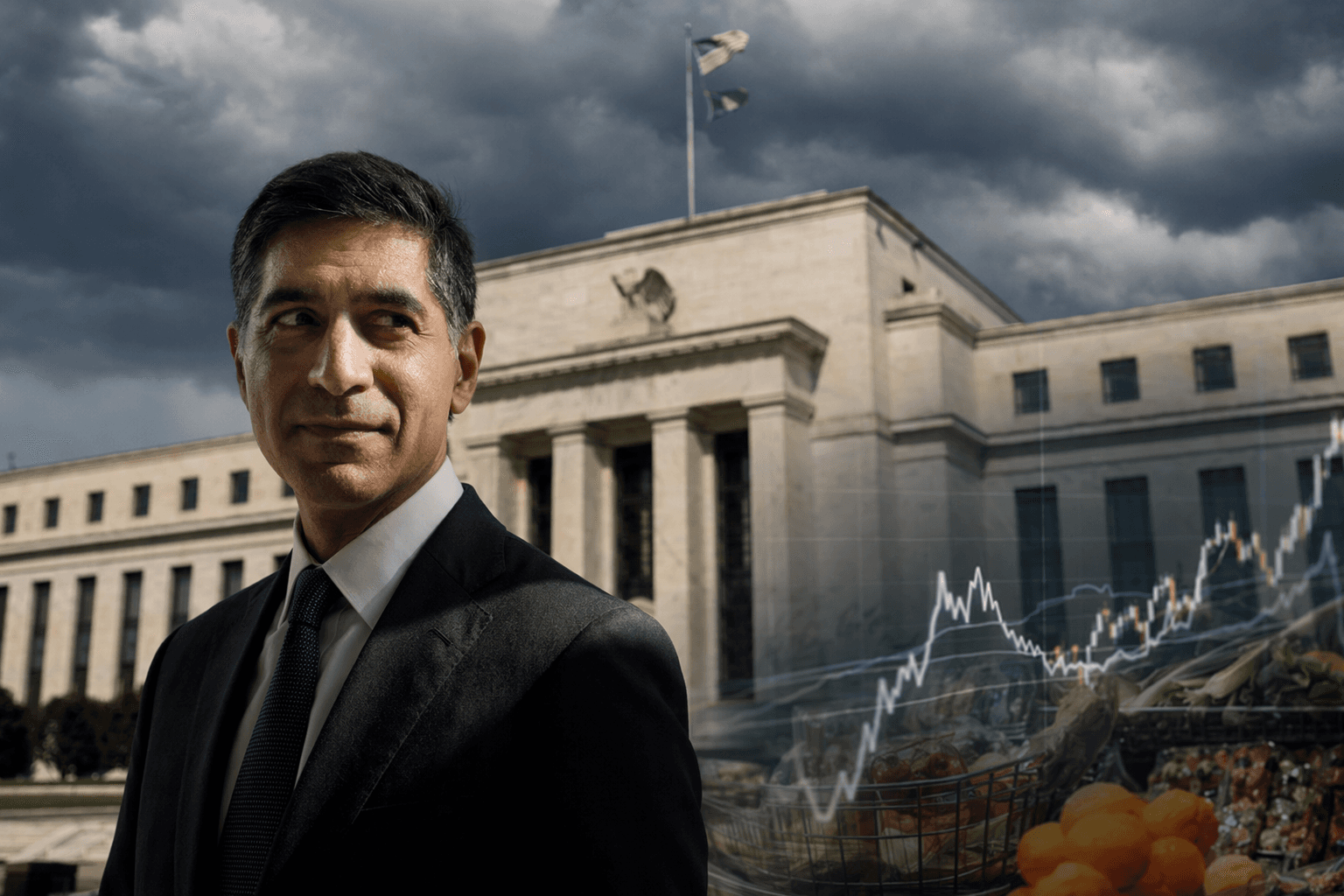
Trump allies got Kevin Warsh through the Senate, but the Federal Reserve he is set to lead still faces inflation that makes quick rate cuts harder to justify. On Wednesday, the Senate confirmed Warsh as Fed chair by a 54-45 vote, with Senator John Fetterman of Pennsylvania the only Democrat to back him. Multiple outlets called it the closest, or most partisan, confirmation for a Fed chair in modern history.
Warsh had already won Senate approval on Tuesday to a 14-year term on the Federal Reserve Board of Governors, and his swearing-in to both posts still awaited final White House signatures on paperwork sent by the Senate. Jerome Powell’s term as chair ends Friday, May 15, 2026, although he will remain a Fed governor, setting up a rapid handoff at a moment when the central bank is under intense political pressure.
That pressure is rising alongside prices. Reuters reported that U.S. consumer inflation in April posted its largest annual gain in three years, with energy costs adding further strain. The Fed’s current target range for short-term borrowing costs is 3.50% to 3.75%, and the next scheduled meeting of the Federal Open Market Committee is June 16-17. For households, the stakes are immediate: mortgage rates typically move with expectations for Fed policy, while credit card rates remain highly sensitive to the central bank’s path.
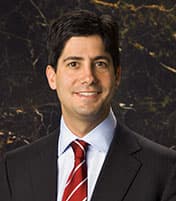
Warsh arrives with a record that gives the job added weight. Federal Reserve History says he served as a Fed governor from February 24, 2006, to March 31, 2011. He was born in Albany, New York, and earned his bachelor’s degree from Stanford University in 1992, studying public policy with an emphasis on economics and statistics. Supporters see that background as evidence that Warsh could bring a more aggressive approach to reshaping the central bank’s direction.
The confirmation also sharpened the fight over Fed independence. The Washington Post described Warsh’s near party-line approval as a sign of how far Washington’s political divides have now reached into the central bank. Warsh’s early choices will shape more than the Fed’s internal politics. They will help determine whether borrowers get relief, whether markets see the new chair as credible on inflation, and whether the White House can claim a faster economic win without forcing the Fed to move before the data justify it.
Know something we missed? Have a correction or additional information?
Submit a Tip