Senate Democrats Seek Refunds After Supreme Court Strikes Down Trump Tariffs
Senate Democrats introduced the Tariff Refund Act to force CBP to return tariffs the Supreme Court struck down, seeking refunds for as much as $175 billion and prioritizing small businesses.

Senate Democrats unveiled the Tariff Refund Act of 2026, a bill that would require U.S. Customs and Border Protection to repay tariffs the Supreme Court invalidated under the International Emergency Economic Powers Act and to pay interest, with sponsors setting a 180-day deadline for disbursements. The Supreme Court, in a 6-3 decision that remanded the matter to a lower trade court, did not provide instructions on refunds, prompting Sen. Ron Wyden, Sen. Edward Markey and Sen. Jeanne Shaheen to press for legislative relief.
The bill was announced in a February 23 press release datelined Washington and reposted by the Senate Finance Committee on February 26, with the Finance page saying the measure was joined by 23 Senate Democrats. Other reports record different counts: the Sbc Senate press release headline cites Markey, Wyden, Shaheen and 19 Senate Democrats, Kyodo named 22 co-sponsors including Senate Minority Leader Chuck Schumer, and the National News Desk said 24 lawmakers led by Schumer sent a separate letter to Treasury Secretary Scott Bessent demanding refunds. The differing totals appear across the press materials, committee posting and reporting.
Legislative language and sponsors emphasize prioritizing small businesses and eliminating procedural burdens on importers, directing CBP to coordinate with the Small Business Administration and to report to Congress on refund payments. Ranking Member Edward J. Markey said, “Trump’s illegal tariff taxes cost small businesses, consumers, and families nearly $135 billion. That money must be repaid immediately. For small businesses with little to no resources, this refund process can be extremely difficult and time consuming,” and he added, “That is why I am proud to introduce the Tariff Refund Act with Senators Wyden and Shaheen. Our bill would require the tariffs to be refunded and level the playing field, putting small importers and small businesses first in the refund process and eliminating needless administrative barriers. It’s Main Street and working families that paid Trump’s tariff taxes, and we must ensure they get their money back, not big corporations.”
Sen. Ron Wyden framed the effort as relief for firms hammered by the tariffs: “Senate Democrats will continue fighting to rein in Donald Trump's price-hiking trade and economic policies,” Wyden said in a statement. “A crucial first step is helping people who need it most, by putting money back into the pockets of small businesses and manufacturers as soon as possible.” The sponsors and some reporting quantify the exposure differently: the Senate Finance page and Associated Press cite as much as $175 billion, Sbc Senate materials cite roughly $130 billion to $135 billion, and University of Pennsylvania economists cited by Local12 estimate in excess of $100 billion.
Political reaction split along party lines. White House spokesman Kush Desai responded, “President Trump used tariffs to actually deliver where Democrats could only talk, so naturally Democrats are rolling up their sleeves to undermine President Trump and the American people – pathetic but unsurprising.” A spokesman for Senate Majority Leader John Thune declined to comment on whether the bill would be considered, and House Speaker Mike Johnson told reporters the Republican-controlled House would steer clear of the question about returning tariff revenue. The Associated Press noted the bill is unlikely to become law but that Democrats are using it to apply public pressure.
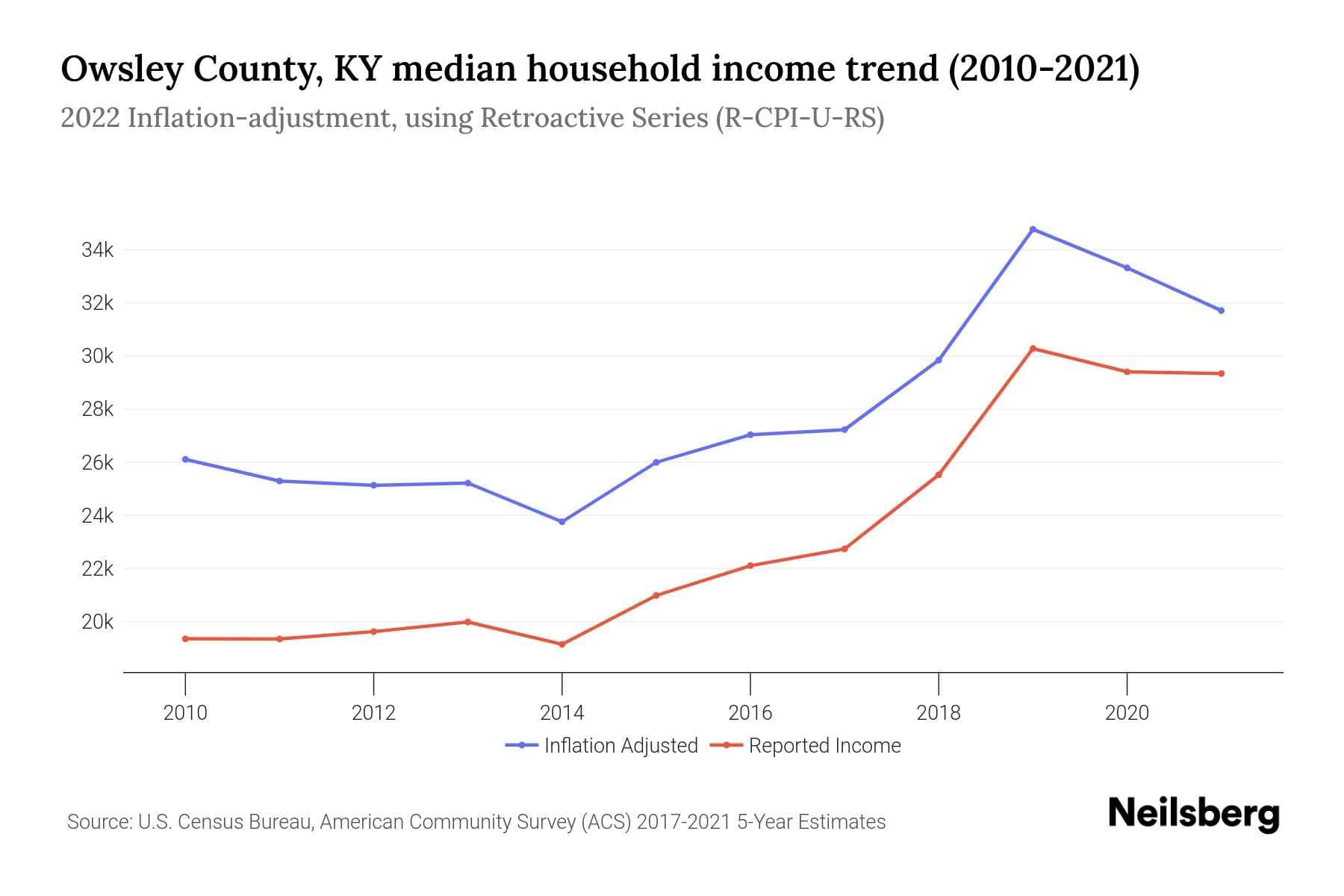
Locally, the Booneville Sentinel republished the syndicated announcement on March 3, 2026, making the measure and its priorities visible to Owsley County small-business owners and manufacturers in Booneville and surrounding communities. The legislation and a separate Schumer-led letter, which demanded CBP disburse refunds within 90 days and stated, “This money does not belong to the federal government, it belongs to the businesses and individuals you illegally taxed,” set competing timetables and political pressure points as the issue moves from the Supreme Court remand toward congressional committees and potential oversight hearings.
Sources:
Know something we missed? Have a correction or additional information?
Submit a Tip