Senate Finds Acela Replacement Delay Cost Amtrak $287 Million
A Senate Commerce Committee report released Dec. 22, 2025 found that Amtrak’s $2.3 billion next generation Acela program was delayed by more than four years due to planning, design and track readiness problems, and an aspiration for higher operating speeds that did not materialize. The committee says the extended delay forced continued use of older trains and produced an estimated $287 million in lost revenue and unplanned maintenance costs, raising fresh questions about procurement and infrastructure coordination on the Northeast Corridor.
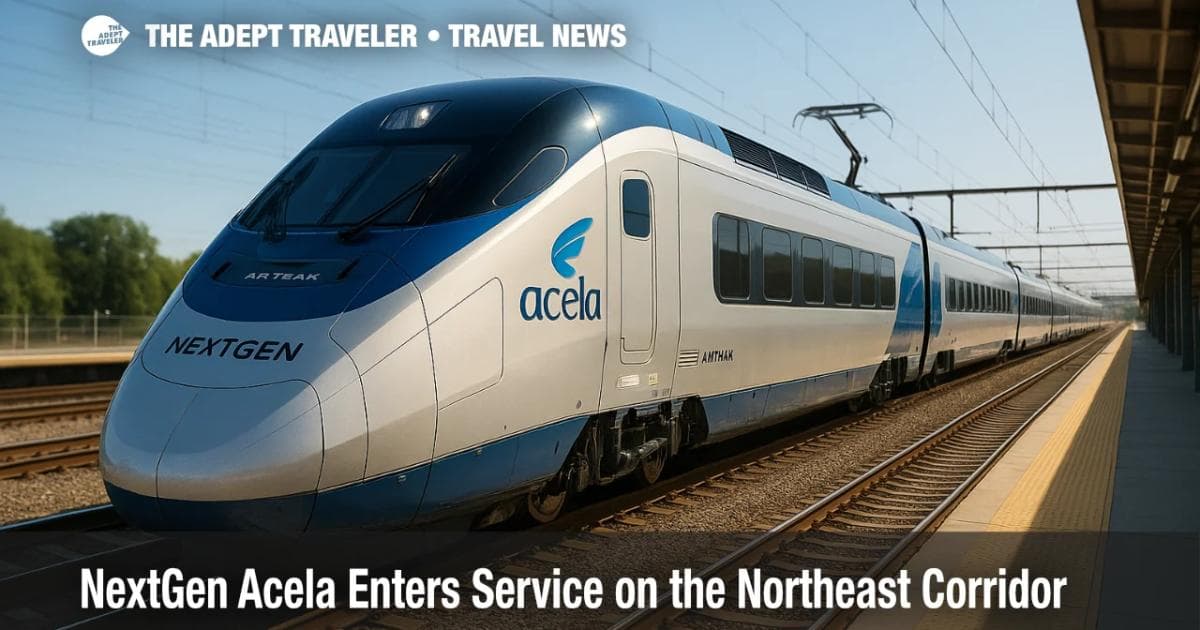
Washington. A Senate Commerce Committee report released Dec. 22, 2025 concluded that Amtrak’s $2.3 billion program to replace its Acela high speed trainsets along the Northeast Corridor has been delayed by more than four years, with planning failures, design shortcomings and inadequate track readiness identified as primary causes. The committee also found that Amtrak’s effort to secure higher maximum operating speeds for the new trainsets did not materialize, a factor the report described as contributing to program complexity without delivering the expected operational benefit.
The report says the extended delay compelled Amtrak to keep its older Acela fleet in service longer than planned, a decision the committee linked to both increased maintenance demands and foregone ticket revenue. The Senate committee, citing its analysis and public statements by its chair, Senator Ted Cruz, estimated that the combination of lost revenue and unplanned maintenance totaled about $287 million. The report itself attributes the figure to the impact of prolonged operation of legacy equipment while new trainsets awaited acceptance and track upgrades.
The program under scrutiny is intended to replace existing cars that serve the heavily traveled Northeast Corridor between major northeastern cities. The $2.3 billion price tag reflects procurement and program costs cited by the committee. The report was released late Monday and is datelined Washington. It lists the compounded planning, engineering and right of way issues that delayed factory acceptance and entry into service. The committee singled out mismatches between vehicle design requirements and the actual condition of the corridor infrastructure as a recurring problem, noting that track readiness across multiple jurisdictions fell short of what the program assumed.
Beyond the headline dollar figures, the report leaves gaps that complicate assessment of the program’s full economic fallout. It does not include a detailed timeline of original delivery expectations, nor does it provide an itemized breakdown of the $287 million between lost farebox revenue and specific maintenance line items. The committee also did not release direct statements from Amtrak, contractors or suppliers in the excerpts provided. Those omissions underscore how oversight and transparency will shape follow up scrutiny.
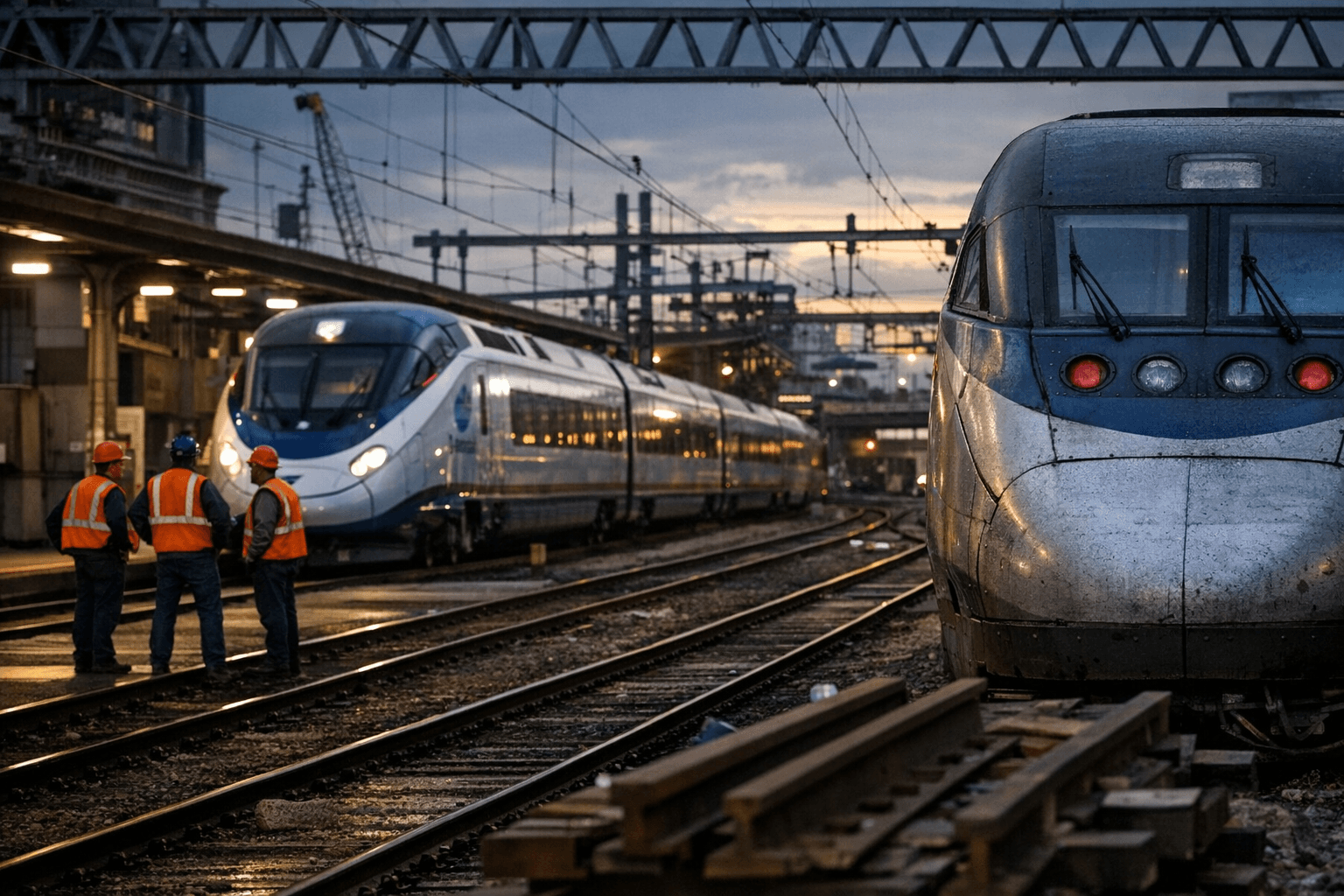
Policy and market implications are immediate. The finding undermines Amtrak’s capital planning credibility at a time when federal and state authorities are weighing further investments in rail capacity and resilience. Procurement specialists point to this episode as another example of the risks inherent in complex transportation acquisitions where agency expectations, manufacturer designs and infrastructure readiness are not fully aligned. For riders, prolonged reliance on aging equipment can depress service reliability and long term ridership growth, translating into continuing revenue pressure.
The report is likely to prompt congressional hearings and renewed demands for Amtrak to produce a detailed recovery plan, including revised delivery schedules, clearer accounting of the $287 million impact and steps to ensure that track modernization keeps pace with vehicle procurement. The broader lesson for infrastructure policy is the need to coordinate upgrades across multiple federal, state and private stakeholders before committing to advanced rolling stock that depends on corridor wide readiness.
This article was produced by Prism’s automated news system from verified source data, official records, and press releases, then run through automated quality and moderation checks before publishing. The system is built and supervised by the people who set the standards it runs under. Read our full AI policy.
Did this article answer your question?

