Senate grills sportsbook executives over cheating scandals and marketing tactics
Senators challenged sportsbooks and prediction-market firms over cheating scandals, warning that a $165 billion gambling boom is outrunning consumer safeguards.

Senate lawmakers put sports betting executives and prediction market advocates on the defensive Tuesday as they opened a hearing on whether the online gambling boom has outpaced rules meant to curb addiction, fraud and game manipulation.
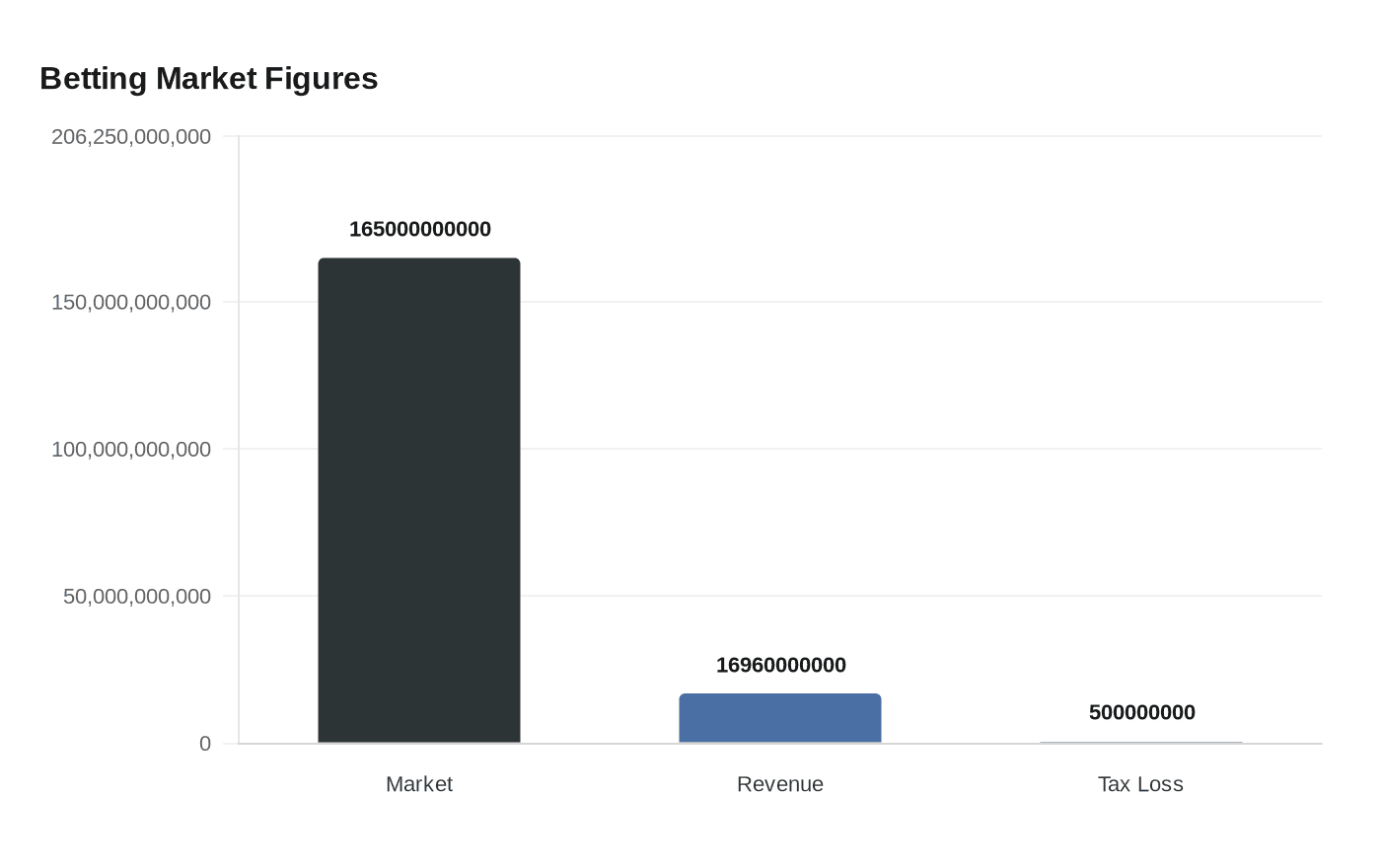
The Senate Commerce Subcommittee on Consumer Protection, Technology, and Data Privacy held the hearing, titled No Sure Bets: Protecting Sports Integrity in America, under chair Marsha Blackburn of Tennessee. The panel met against the backdrop of a sports wagering market the Senate said has grown to $165 billion across 39 states and the District of Columbia since the Supreme Court struck down PASPA in 2018, while the American Gaming Association said commercial sports betting revenue hit a record $16.96 billion in 2025.
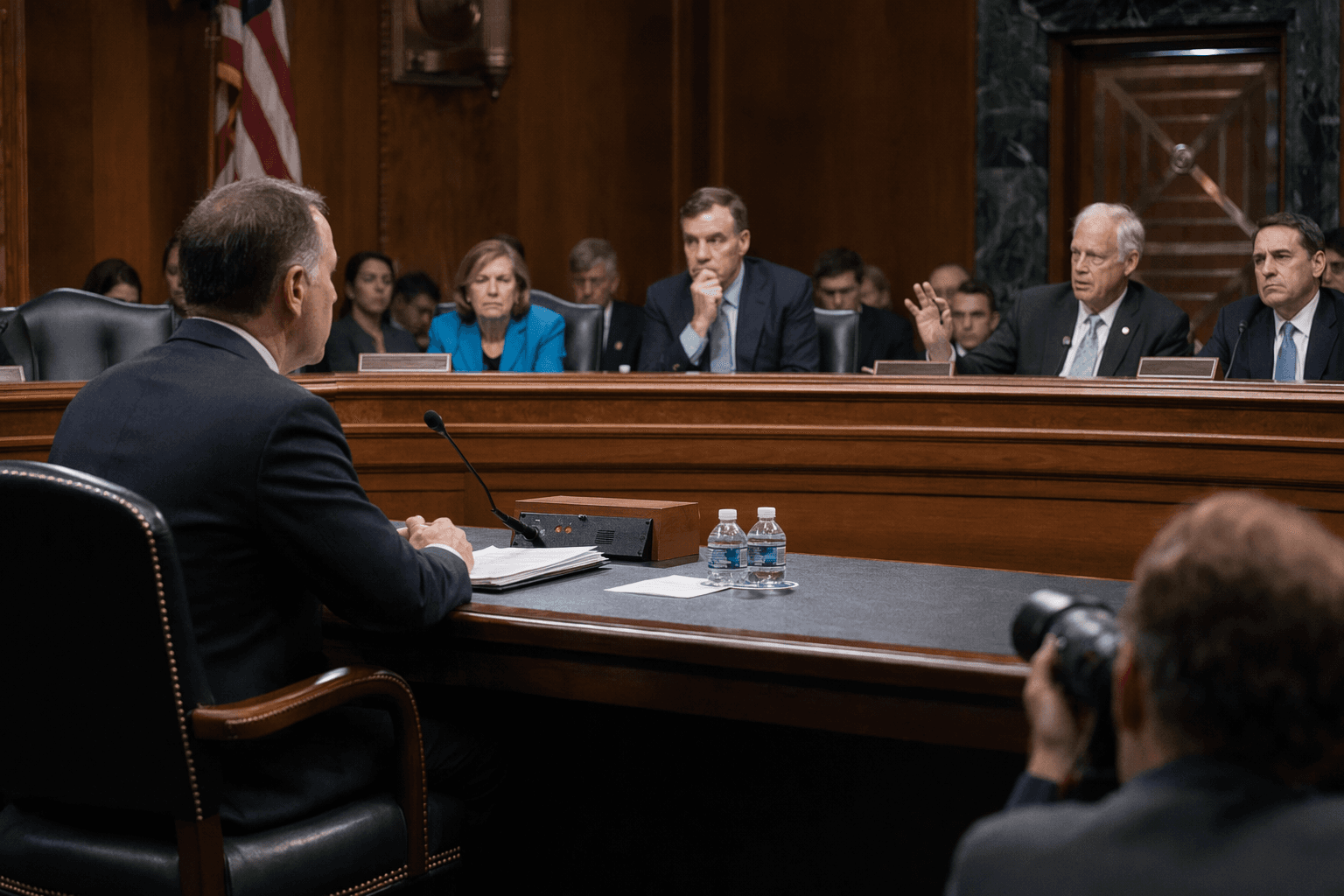
Ted Cruz, who chairs the full Senate Commerce Committee, framed the discussion around two questions: how to preserve sports integrity and whether prediction markets are operating within the law. He pointed to recent allegations of game tampering, including two Major League Baseball pitchers accused of taking bribes to influence pitches, and UFC fight cancellations tied to match-fixing suspicions. The hearing also came as college basketball and major league sports have faced fresh cheating allegations tied to financial gain.
Lawmakers pressed witnesses on the marketing tactics of prediction market companies such as Kalshi and Polymarket, with John Hickenlooper of Colorado warning that social media ads could reach young people vulnerable to problem gambling. Patrick McHenry, a former Republican congressman and now a senior adviser for the Coalition for Prediction Markets, argued that prediction markets differ from sportsbooks because users trade with one another and platforms collect transaction fees. He said the sites ban users under 18 and said the average user age is 33, compared with 21 for sportsbooks.
The fight is also about who regulates the products. Prediction market advocates say sports event contracts belong under the Commodity Futures Trading Commission, while sportsbook operators say the platforms are functioning as backdoor gambling businesses without state oversight. Blackburn said prediction markets may operate like traditional sports betting without state regulators and attorneys general enforcing the rules. Bill Miller, president and chief executive of the American Gaming Association, said the companies were effectively running backdoor sports betting operations and accused them of disguising wagering as “financial contracts” and “investment.” The association has estimated that prediction markets offering sports event contracts have diverted more than $500 million in potential sports betting tax revenue.
The politics of the hearing suggested the fight is only beginning. Politico reported that Blackburn said committee members were interested in moving something “on the books,” and that she planned to confer with Cruz about a path forward. House lawmakers are also weighing restrictions on lawmakers, spouses and dependent children using insider knowledge to trade on prediction markets, a sign that the regulatory battle is widening beyond sports books alone.
Know something we missed? Have a correction or additional information?
Submit a Tip