Senate panel boosts Ukraine aid, backs Pentagon name change to Department of War
Senate lawmakers raised Ukraine aid to $750 million and backed a Pentagon rename, signaling Congress is still willing to fight the White House on Kyiv. The real test now is whether that coalition holds through final NDAA negotiations.
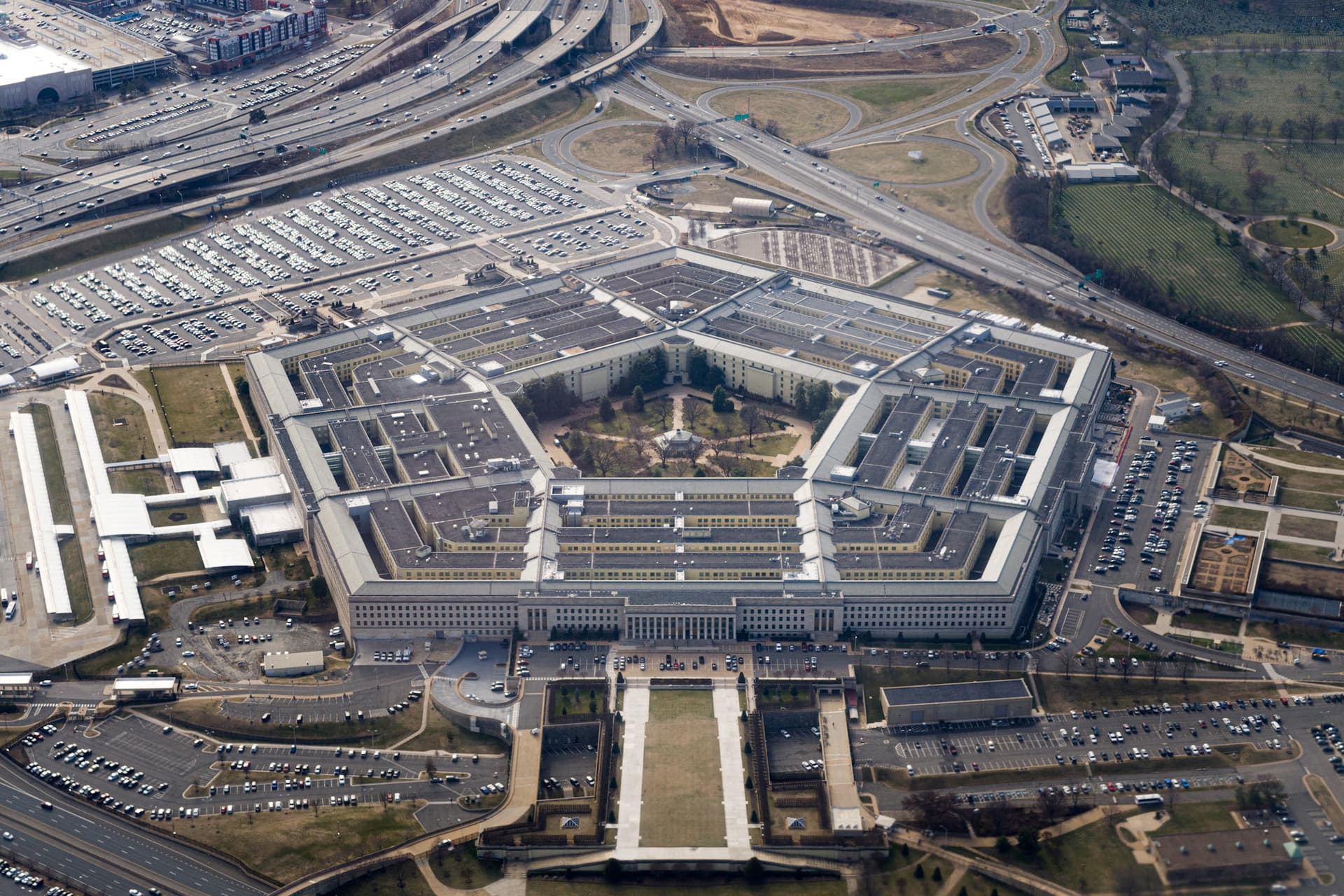
A Senate panel drew a line on Ukraine on June 11, voting to raise authorized security assistance to $750 million and signaling that congressional support for Kyiv still has teeth even as fatigue builds in Washington. The move came inside the annual defense bill, a must-pass vehicle that now carries both hard security funding and one of the year’s most symbolic political gestures: a bid to rename the Department of Defense the Department of War.
The Senate Armed Services Committee’s version of the National Defense Authorization Act would authorize $1.15 trillion in defense spending, covering ship and aircraft purchases, troop pay and preparations for geopolitical threats. On Ukraine, the bill went further than a simple funding increase. It would bar any money authorized by the legislation from being used to recognize Russian sovereignty over internationally recognized Ukrainian territory, and it would direct the Pentagon to provide intelligence support for Ukrainian military operations meant to defend or retake that land.

That combination shows how Congress is trying to use defense legislation to preserve leverage over Ukraine policy even as the Trump administration pushes to scale back support for Kyiv. The Senate panel’s vote did not make the bill law, but it marked a clear bipartisan refusal to accept a full retreat. The House Armed Services Committee also backed the Department of War name change, giving the symbolic rewrite traction in both chambers as the defense bill moves toward floor debate and a conference committee that will have to reconcile differences between the House and Senate versions.
The Ukraine language also builds on an earlier fight. In July 2025, the Senate Armed Services Committee advanced its fiscal 2026 NDAA by a 26-1 vote, with Ukraine Security Assistance Initiative funding reported at $500 million and described in committee discussion as support running through 2028. Sen. Jeanne Shaheen said her provision was designed to stop the Pentagon from diverting Ukraine assistance after a brief diversion and reversal by the Trump administration, underscoring how lawmakers have spent months trying to lock in guardrails around executive flexibility.
House and Senate Armed Services Committee leaders released final negotiated FY26 NDAA text in December 2025, showing that Ukraine aid has remained embedded in a longer bargaining process rather than fading from view. The June 11 vote suggests that, despite political weariness, Congress still has enough support to push back on a broad pullback from Ukraine, especially when that fight is wrapped inside the defense bill that funds the U.S. military itself.
This article was produced by Prism’s automated news system from verified source data, official records, and press releases, then run through automated quality and moderation checks before publishing. The system is built and supervised by the people who set the standards it runs under. Read our full AI policy.
Know something we missed? Have a correction or additional information?
Submit a Tip