Senate President Ferguson Faces Budget Crisis as Session Opens
Bill Ferguson began his seventh legislative session facing a state budget deficit. His priorities and public stances will shape Gov. Wes Moore's final budget and Baltimore services.
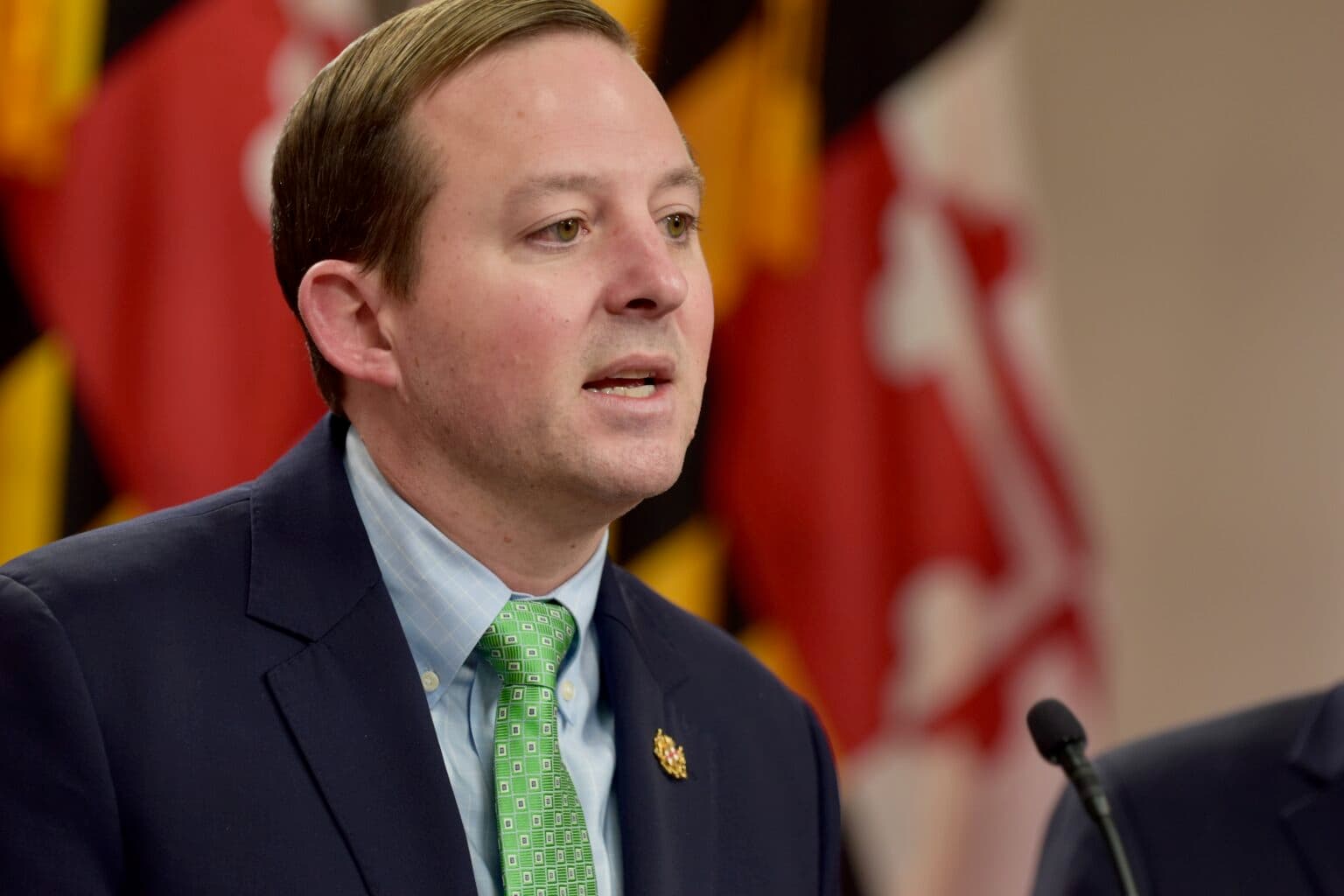
Maryland Senate President Bill Ferguson (D–Baltimore City) opened his seventh legislative session on January 13, 2026, confronting an ongoing state budget deficit and a politically charged policy agenda that will determine how resources flow to Baltimore City. As leader of the chamber, Ferguson is positioned to influence negotiations over Gov. Wes Moore's final budget proposal for the term and to set the Senate's priorities amid mounting fiscal pressure.
The Senate's role in vetting, amending, and approving the governor's budget places Ferguson at the center of a process that could affect local education funding, public safety grants, social services, and municipal aid. Lawmakers in Annapolis will weigh competing demands: restoring programs cut in past years, meeting rising costs for Medicaid and pensions, and responding to calls for investments in housing and workforce development. Those trade-offs will be negotiated under a budget shortfall that narrows options and increases the likelihood of difficult choices for City schools and community programs.
Ferguson's agenda for the session highlighted several high-profile policy conflicts that extend beyond budget arithmetic. He publicly addressed proposals such as mid-cycle congressional redistricting, a measure that has injected partisan debate into the early weeks of the year and added another axis of negotiation between the Senate and the governor's office. Those political fights are amplifying pressure on leadership to marshal votes and protect institutional priorities, from committee assignments to the timing of floor action.
Leadership dynamics inside the Senate also matter for Baltimore. Ferguson's experience in the role gives him leverage to shape compromise and discipline the chamber's legislative calendar, but fiscal constraints limit how many policy priorities can be funded. Rank-and-file senators representing Baltimore neighborhoods will be tracking where budget trade-offs land, particularly for school construction, transit projects, and community services that rely on state aid.

For residents of Charm City, the session's opening signals a period of consequential decision-making. With the governor submitting his final budget of the term, the Senate's revisions will determine which local initiatives receive support and which face cuts or delays. Baltimore officials and neighborhood advocates will be pressing senators for clarity on funding streams and schedules as committee hearings unfold.
The months ahead will test Ferguson's ability to balance political pressures with fiscal reality. For Baltimore residents, the outcome will translate into tangible changes in city services, school resources, and local projects. Watch for budget hearings and floor votes in Annapolis as the likely venues where those decisions become clear.
Sources:
Know something we missed? Have a correction or additional information?
Submit a Tip