Senate Republicans question Trump anti-weaponization fund and ballroom money
A $1.8 billion anti-weaponization fund and a $1 billion ballroom line item are testing how far Senate Republicans will go to rein in Trump.

Senate Republicans are drawing fresh internal lines around two of Donald Trump’s most politically charged requests: a roughly $1.8 billion Justice Department “Anti-Weaponization Fund” and a $1 billion Secret Service request tied to his East Wing ballroom project. The pushback is exposing more than a budget fight. It is becoming an early test of how much Republicans will check Trump on spending, symbolism and legal overreach from within their own party.
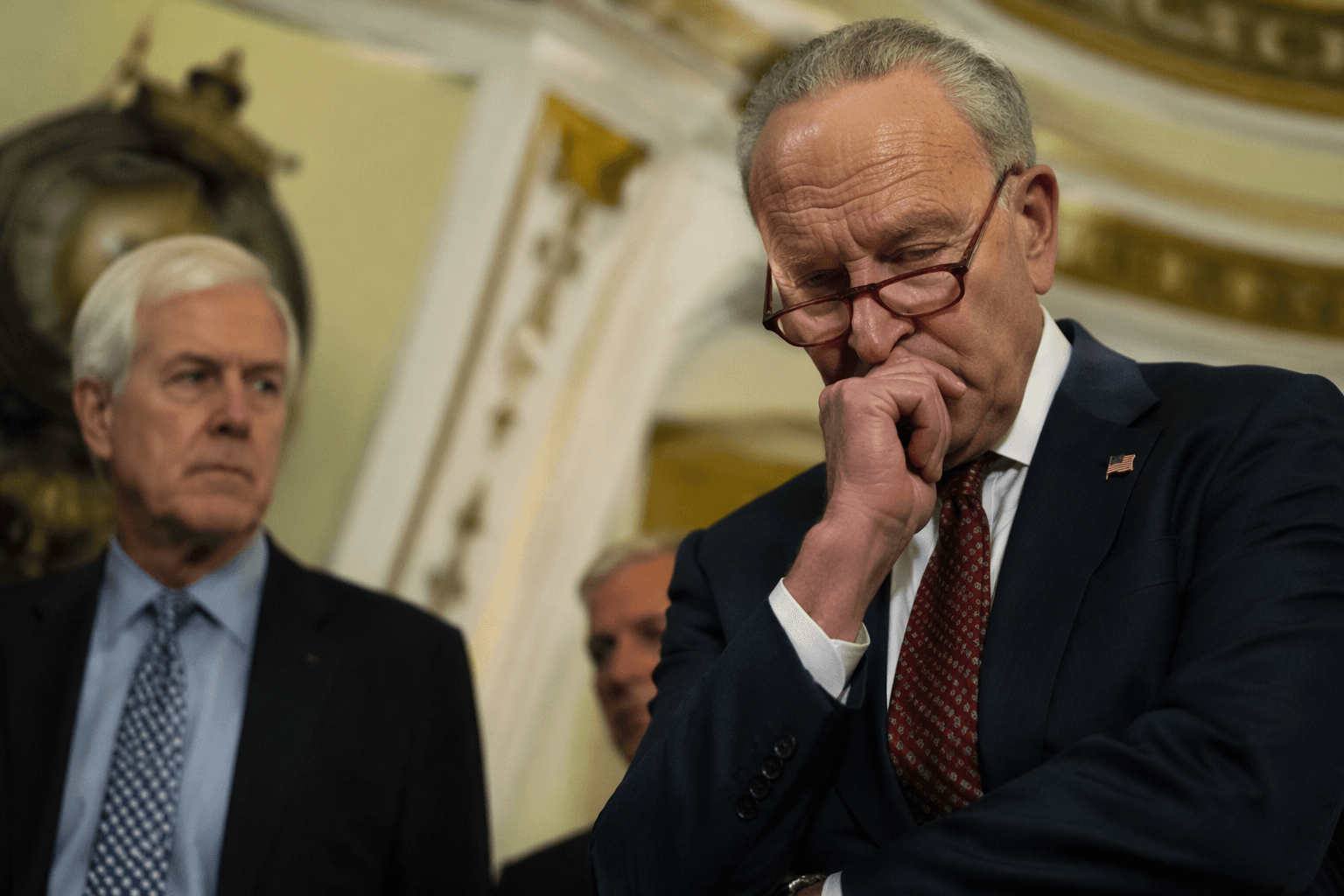
The anti-weaponization fund was announced as part of a settlement connected to Trump’s $10 billion lawsuit over the leak of his tax information. Acting Attorney General Todd Blanche told senators that anybody can apply for compensation and that commissioners, not he, would decide the rules. He also would not rule out payments to Jan. 6 defendants, including people who assaulted police officers. Senate Majority Leader John Thune said he was “not a big fan” of the fund, a sign that the skepticism is not limited to Democrats. In the House, Republicans rejected a Democratic subpoena effort aimed at officials involved in creating the fund, with 18 Republicans voting to dismiss the motion.
The ballroom fight has become just as awkward for Trump’s allies. Senate Republicans inserted the $1 billion Secret Service funding request into their immigration-enforcement reconciliation bill to pay for security adjustments and upgrades tied to the White House East Wing Modernization Project. Administration estimates put about $220 million of that money toward the construction project itself. But Senate Parliamentarian Elizabeth MacDonough ruled that the language could not stay in the bill as drafted because it funded activities outside the Judiciary Committee’s jurisdiction. Senate Republicans are now expected to remove the provision entirely or rewrite it before trying again.
That ruling has given cover to GOP objections that were already building. Multiple Republican senators have objected to using taxpayer dollars for Trump’s East Wing revamp, and the White House has argued that passing the security language would amount to congressional approval of the ballroom project itself. The administration is already fighting in court after a federal judge ruled earlier in 2026 that the project had not been properly authorized by lawmakers.
Taken together, the two disputes reveal a Republican conference that is willing to tolerate Trump’s political demands until they start looking like open-ended spending or a legal end run. The timing is delicate, too, after Trump endorsed Ken Paxton over Sen. John Cornyn in Texas, souring the mood among some senators and making a more direct clash with the White House harder to avoid.
Know something we missed? Have a correction or additional information?
Submit a Tip