Senate vote clears path for controversial Minnesota copper mine near Boundary Waters
A 50-49 Senate vote reopened a fight over 225,000 acres near the Boundary Waters, reviving a Chilean company's stalled copper-nickel mine.
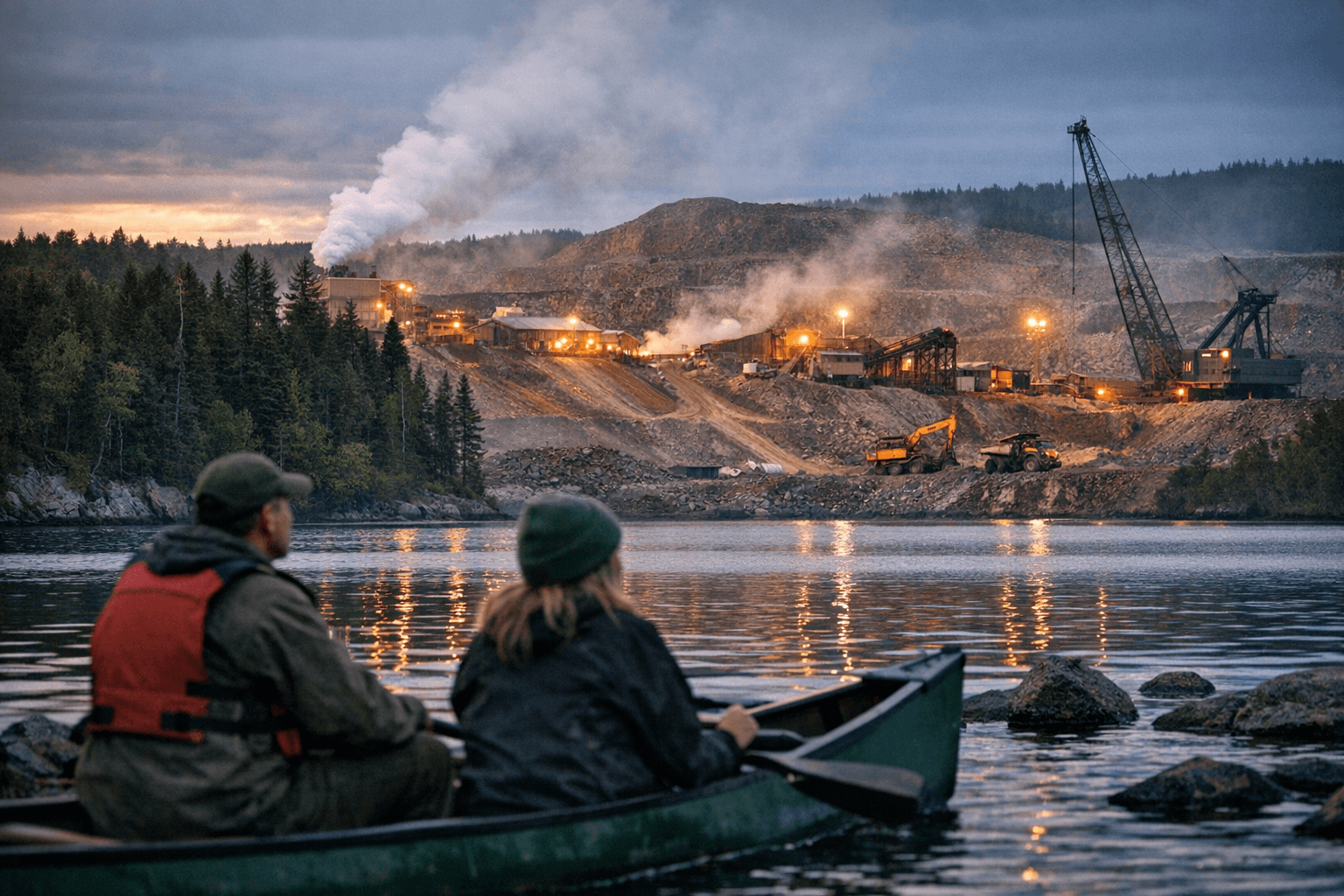
The Senate barely cleared a path for one of Minnesota’s most divisive land-use fights, voting 50-49 to overturn protections on about 225,000 acres in the Boundary Waters watershed and reopen the possibility of a copper-nickel mine near Ely. The resolution would wipe out a 20-year mineral withdrawal on federal land in Cook, Lake and Saint Louis counties, handing Twin Metals Minnesota, a subsidiary of Chile-based Antofagasta, a major political victory after years of setbacks.
The move does not authorize a mine. Even if the withdrawal is undone, Twin Metals would still need state and federal permits before any underground project could advance, and observers say construction remains years, possibly decades, away. But the vote mattered because it struck at the legal barrier that had blocked the company’s proposed mine and because it turned the Boundary Waters into a test case for whether Congress will use the Congressional Review Act to roll back wilderness protections.
The stakes are unusually high for a landscape that already sits at the center of the state’s tourism economy. The Boundary Waters Canoe Area Wilderness spans more than 1.1 million acres, with over 1,200 miles of canoe routes, about 2,000 designated campsites and nearly 150 miles along the U.S.-Canada border. It drew nearly 150,000 visitors in 2024, a measure of how deeply the area supports gateway communities even as it remains one of the country’s most iconic federal wilderness areas.
Supporters of the mine say Minnesota’s Duluth Complex holds copper, nickel, cobalt and platinum group metals that could help reduce dependence on foreign minerals. Opponents answer that sulfide mining near the watershed carries a specific and well-documented danger: acid mine drainage. They warn that sulfuric acid can form when sulfide ore is exposed, mobilizing heavy metals into surrounding waters and threatening drinking water, wildlife and the tourism economy that depends on clean lakes and forests.
Those fears were amplified by a 2023 Forest Service environmental assessment that concluded sulfide-ore copper mining near the Boundary Waters would cause irreversible harm to the ecosystem and to downstream Voyageurs National Park. With Senate control hanging on a single vote, Tina Smith staged an extended protest on the floor before the resolution passed, and conservation groups including Save the Boundary Waters and Friends of the Boundary Waters Wilderness said they will keep fighting in court, in permitting proceedings and in politics. The conflict now moves into its next phase, with one of the nation’s most treasured wilderness areas facing a renewed push for industrial development on its edge.
This article was produced by Prism’s automated news system from verified source data, official records, and press releases, then run through automated quality and moderation checks before publishing. The system is built and supervised by the people who set the standards it runs under. Read our full AI policy.
Did this article answer your question?

