Seoul court jails former president Yoon Suk‑yeol for five years
A Seoul court sentenced former president Yoon Suk-yeol to five years over his December 2024 martial-law attempt. The ruling is the first criminal verdict linked to the short-lived decree.
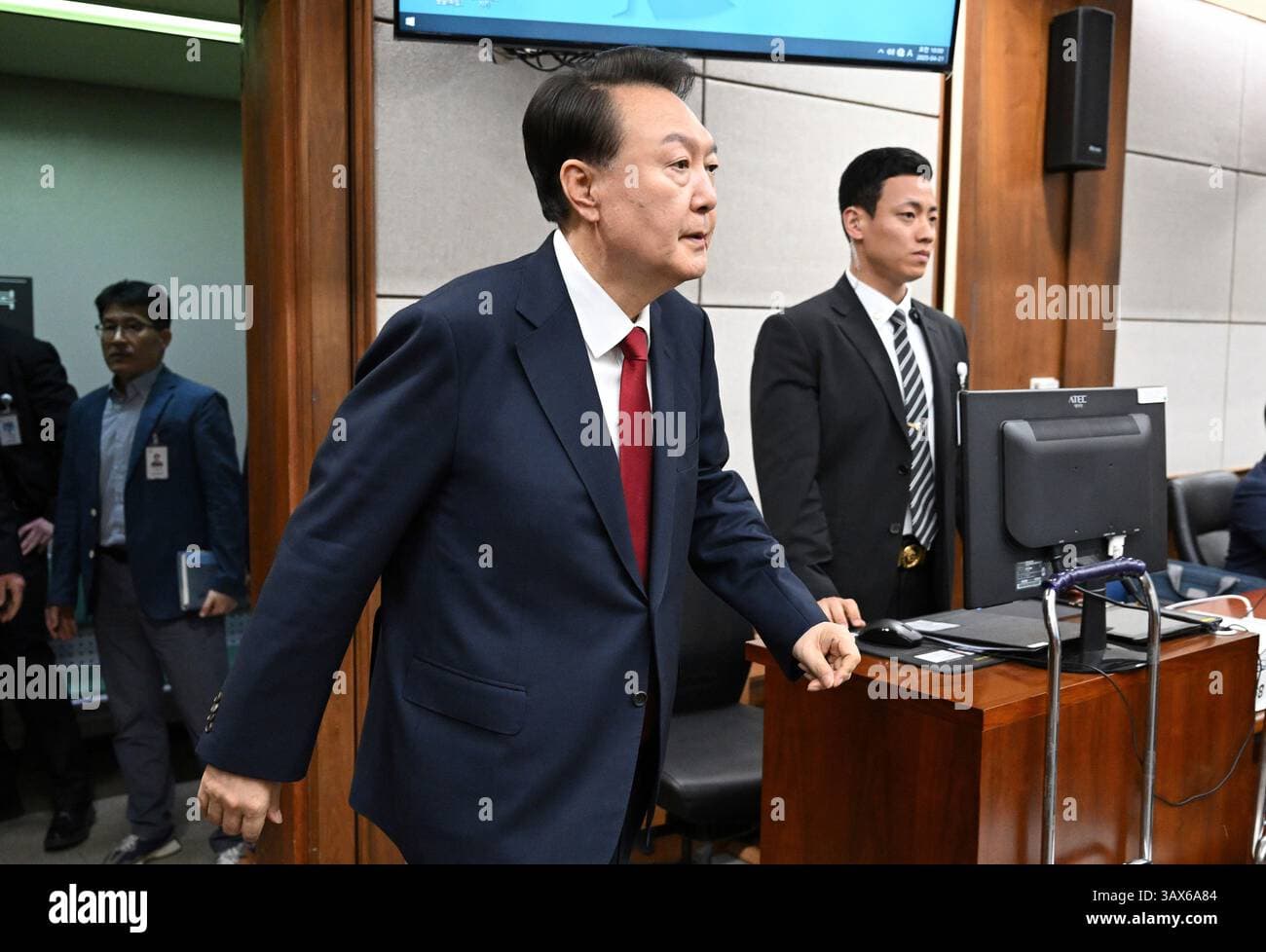
A three-judge panel at the Seoul Central District Court sentenced former president Yoon Suk-yeol to five years in prison on Jan. 16, 2026, in the first criminal verdict tied to his short-lived December 2024 attempt to impose martial law. The ruling, televised live, finds Yoon guilty on multiple counts stemming from the episode that briefly upended South Korea's political order.
The court convicted Yoon of obstructing authorities from executing an arrest warrant related to the martial-law declaration; fabricating and falsifying official documents; destroying or attempting to destroy evidence; failing to follow required legal procedures for imposing martial law, including not convening a full cabinet meeting; and abusing presidential security forces to prevent arrest. Presiding judge Baek Dae-hyun said Yoon “turned his Presidential Security Service…into a de facto private army,” a central finding in the panel's reasoning. The judges added that his actions had “plunged the country into political crisis” and that Yoon had “consistently shown no remorse.”
The December 2024 decree, issued amid a bitter standoff between the presidency and a liberal-controlled National Assembly, lasted only a matter of hours before legislators moved to overturn it. Parliamentary action quickly nullified the measure, and the National Assembly moved to impeach Yoon, a decision later upheld by the Constitutional Court. The martial-law episode and the swift political response prompted mass street protests and a cascade of criminal investigations.
Prosecutors had sought a substantially longer term in the Jan. 16 case; they requested a sentence of roughly twice the length imposed by the court. The conviction announced today is the first of a series of trials connected to the failed decree. Reporting on the count of pending trials varies, with descriptions ranging from four to eight separate criminal proceedings that remain open. The most consequential pending case is an insurrection or rebellion indictment that argues the deployment of forces and the declared emergency amounted to rebellion. Prosecutors in that case have sought the death penalty, and a ruling is expected in February 2026.
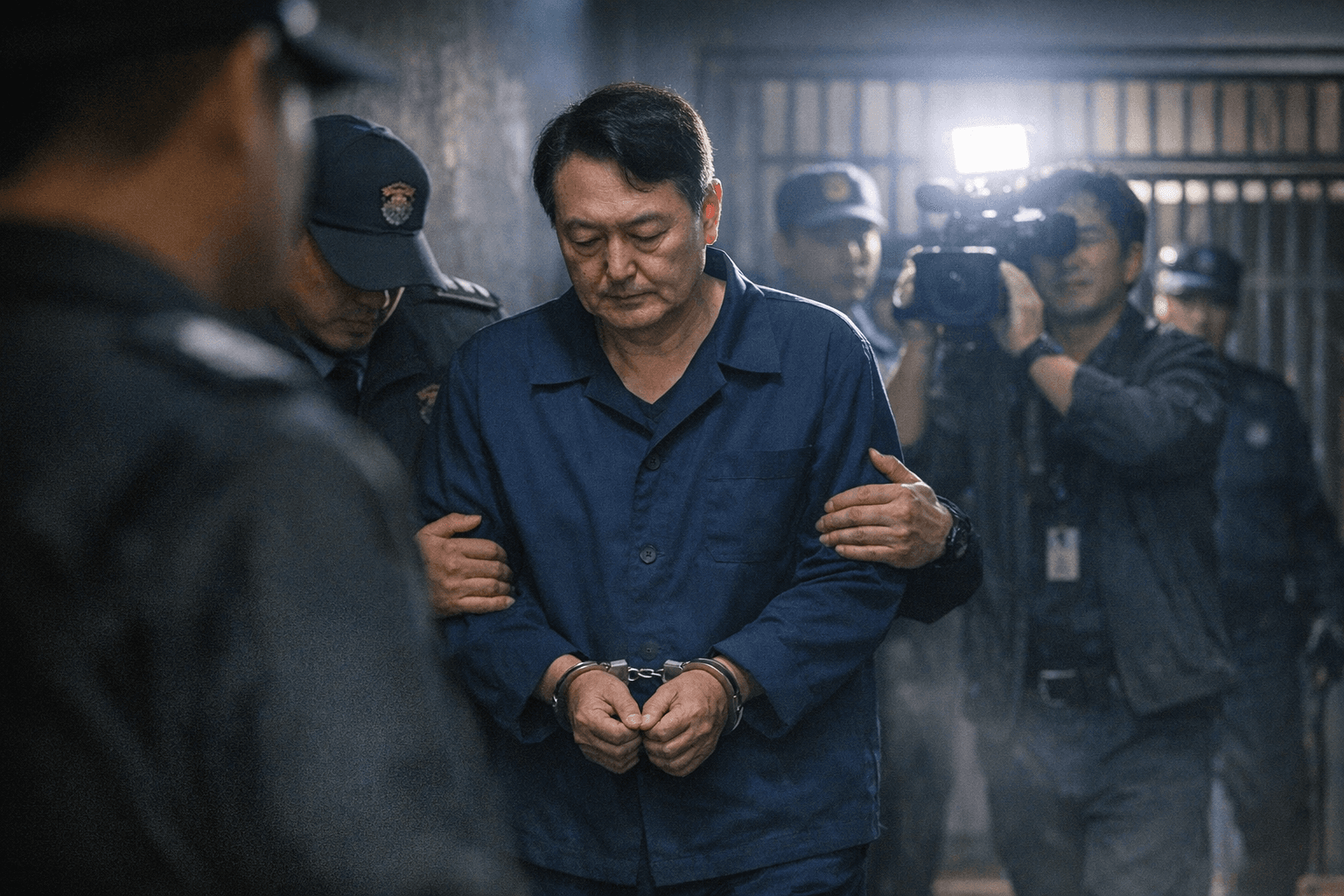
Yoon has denied criminal intent, maintaining that the declaration fell within presidential powers, was intended as a warning about obstruction by the legislature, and that the arrest warrant against him was invalid. He has argued the law did not require consulting every cabinet member before exercising emergency powers. Authorities initially failed to detain him when attempting to serve the insurrection warrant; he was taken into custody only after a second attempt several days later.
Supporters of Yoon gathered outside the Seoul court during the ruling and chanted in protest, underscoring how sharply the country remains divided. Under South Korean procedure both prosecution and defense have seven days to file appeals in the Jan. 16 case. Legal and political analysts say the verdict will reverberate across the region, testing the resilience of South Korea's institutions and shaping narratives about accountability, executive power, and democratic norms in a polarized polity.
This article was produced by Prism’s automated news system from verified source data, official records, and press releases, then run through automated quality and moderation checks before publishing. The system is built and supervised by the people who set the standards it runs under. Read our full AI policy.
Did this article answer your question?


