Seoul's Drive for Nuclear Powered Submarines Shifts Asian Balance
Washington's recent endorsement allowing South Korea access to naval nuclear fuel removed a long standing barrier and accelerated Seoul's push to field nuclear powered submarines, a move that could reshape deterrence across East Asia. The development matters because it extends South Korea's undersea reach against North Korean threats and risks prompting Japan and other states to pursue similar capabilities, raising prospects of an underwater arms race.
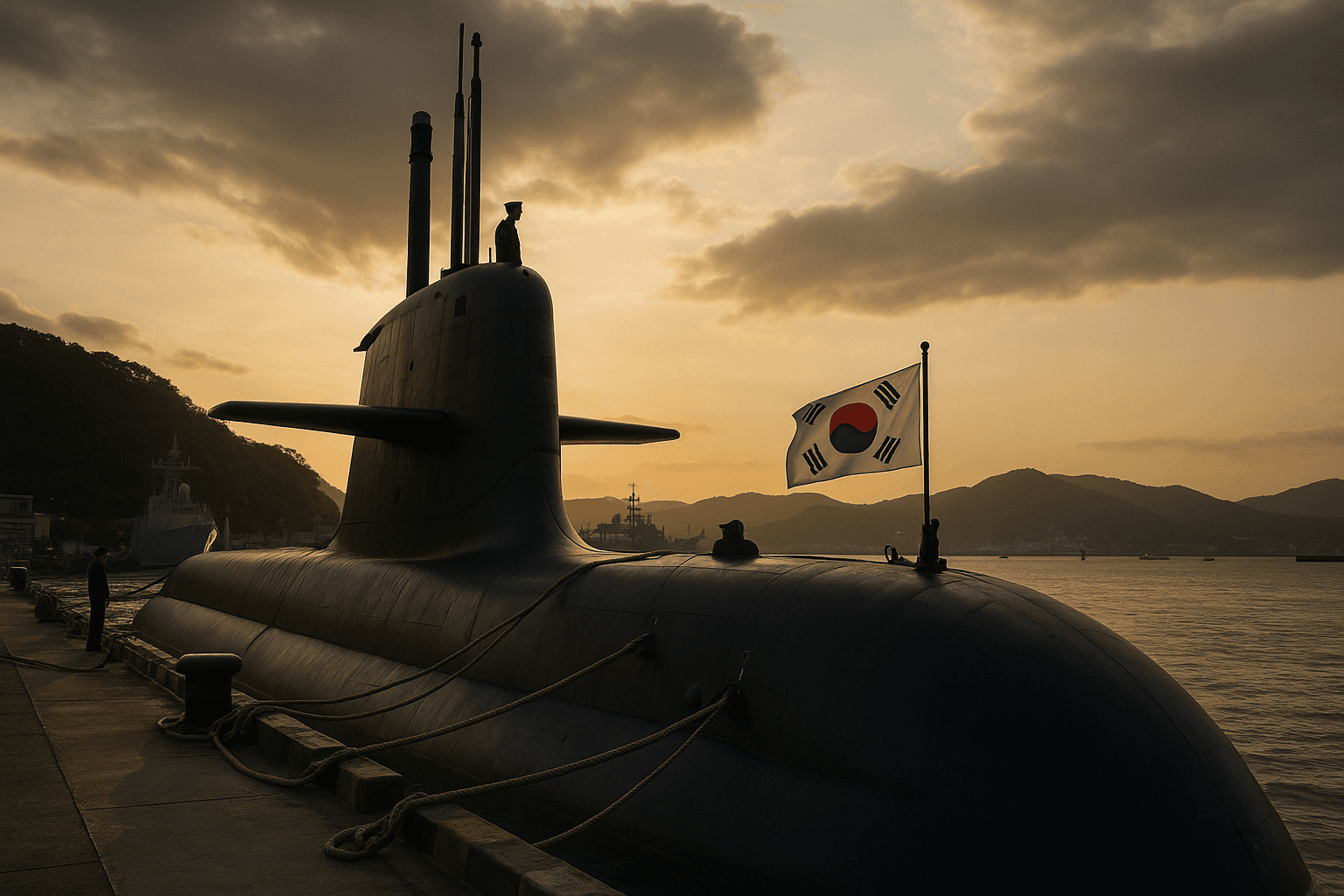
Washington's endorsement of South Korea's bid to acquire nuclear powered submarines, including access to naval nuclear fuel, has cleared a major political and technical hurdle and is reshaping strategic calculations across East Asia. The decision followed extensive diplomatic and defense consultations and aligns with U.S. efforts to strengthen allied capabilities at a time of growing concern about Chinese maritime power.
Seoul has long argued that nuclear propulsion is necessary to counter increasingly sophisticated threats from the north and to sustain operations in distant waters. South Korean officials and analysts say nuclear powered submarines would give Seoul greater submerged endurance and patrol range, enabling more persistent deterrence against North Korea's ballistic missile armed submarines and other asymmetric threats. The government insists these vessels are defensive and will not carry nuclear weapons.
The U.S. sign off, reported on December 5, 2025, removes the long standing restriction on supplying fuel and technology for naval reactors to a non nuclear weapon state, a sensitive proliferation issue that required mutual assurances and operational safeguards. For Washington the decision serves multiple objectives, including bolstering allied undersea capabilities and complicating Beijing's attempts to assert regional dominance. Allies will now need to balance operational gains with the diplomatic imperative to manage perceptions in Tokyo and Beijing.
Tokyo reacted with caution, worried that South Korea's new capability could alter a delicate balance and prompt Japan to reexamine its own undersea posture. Japanese officials have been careful to frame any response within legal and political constraints, but analysts in Tokyo say the announcement has widened the strategic conversation about capabilities and norms in the region. Beijing criticized the move as destabilizing and warned that it could spur an arms dynamic that increases regional insecurity.
Legal and non proliferation questions are now central to the debate. Naval propulsion uses nuclear material in ways that differ from civilian reactors and weapons programs, complicating the application of existing safeguards. Transparency measures, agreements on fuel supply cycles, and clear arrangements for international oversight will be critical to reassure neighbors and to prevent erosion of non proliferation norms. The decision is likely to prompt diplomatic initiatives aimed at defining guardrails around naval nuclear technology, but such frameworks have historically been difficult to negotiate.
Operationally, the introduction of nuclear powered submarines by South Korea would make its navy more capable of sustained blue water operations and of interoperating with U.S. forces on extended deterrence missions. Yet those same advantages are what raise fears of an arms cascade. Analysts warn that if Tokyo and other regional actors conclude they must match Seoul's capabilities, the undersea domain could become a focal point of competition, with attendant risks to crisis stability and maritime safety.
As Seoul moves forward, the international community faces a test in managing capability development without allowing a spiral of distrust to harden into entrenched rivalry. The outcome will depend on diplomatic skill, transparency about technical arrangements, and whether regional powers can fashion cooperative mechanisms that contain competitive pressures while addressing legitimate security concerns.
This article was produced by Prism’s automated news system from verified source data, official records, and press releases, then run through automated quality and moderation checks before publishing. The system is built and supervised by the people who set the standards it runs under. Read our full AI policy.
Did this article answer your question?


