Seven AI giants strike Pentagon deals for classified networks
Seven companies won Pentagon access to secret networks as the military pushes AI into classified decision chains. Anthropic was left out amid a fight over guardrails and weapons use.
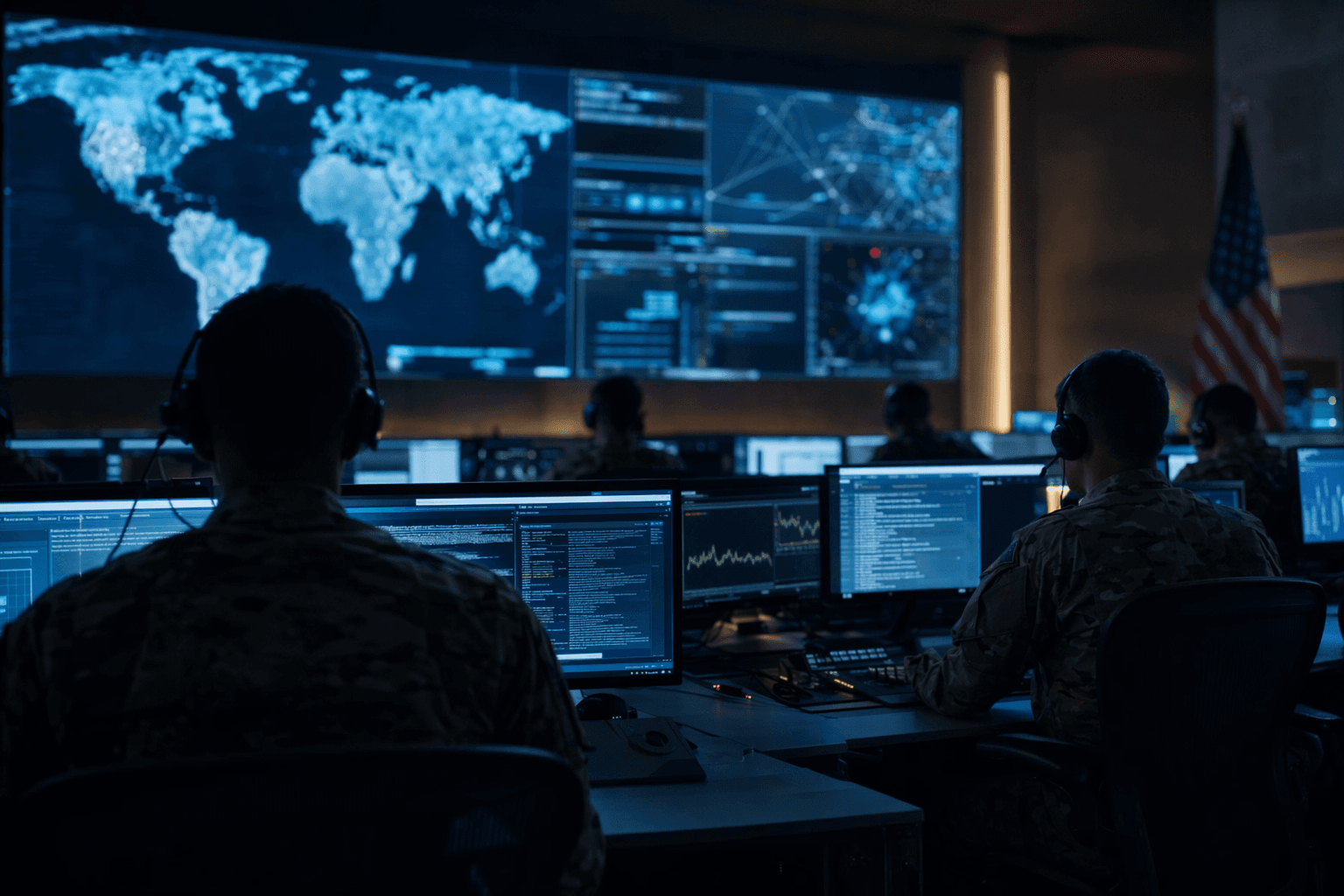
The Pentagon moved seven of the most powerful AI companies into its classified networks Friday, pushing frontier models closer to the secret systems that shape military operations, intelligence and battlefield planning. Google, Microsoft, Amazon Web Services, OpenAI, Nvidia, SpaceX and Reflection AI will be made available in Impact Level 6 and Impact Level 7 environments, where highly restricted information is handled.
Defense officials said the purpose is to streamline data synthesis, sharpen situational understanding and help warfighters make decisions in complex operational settings. They also described the move as a way to avoid locking the military into a single vendor, a telling sign that the department now sees AI infrastructure as a strategic dependency, not a side experiment. GenAI.mil, the Pentagon’s central AI platform, has already been used by more than 1.3 million Defense Department personnel after roughly five months of operation, and officials said additional models could come online within months.
The lineup excludes Anthropic, which has been in open conflict with the Pentagon over military use of its Claude chatbot. Anthropic has objected to uses such as fully autonomous weapons and surveillance of Americans, and the Pentagon designated it a supply-chain risk earlier in 2026, a decision that later became part of litigation. OpenAI announced a Pentagon deal in March 2026 that effectively replaced Anthropic in classified environments, deepening the split over what guardrails should govern commercial AI inside the national-security apparatus.
The speed of the rollout is as important as the deal list. Newer AI entrants have said the process of getting models onto secret and top-secret data levels has been cut to less than three months from 18 months or longer, signaling a Pentagon eager to move faster than its old procurement timeline. Pete Hegseth has framed the shift as part of building an “AI-first fighting force,” but that ambition now meets the harder questions that come with putting private frontier models near classified decision chains: who tests them, who limits them, and who answers when errors, bias or vendor pressure reach into military judgment. Some military personnel, contractors and former officials have already said they preferred Anthropic’s tools and were reluctant to give them up.
This article was produced by Prism’s automated news system from verified source data, official records, and press releases, then run through automated quality and moderation checks before publishing. The system is built and supervised by the people who set the standards it runs under. Read our full AI policy.
Did this article answer your question?

