Seven-Eleven Japan founder Toshifumi Suzuki dies at 93
He turned a skeptical market into Japan’s convenience-store template, using data and fast stock turnover to make Seven-Eleven a daily habit.

Toshifumi Suzuki, the founder of Seven-Eleven Japan and one of the chief architects of Japan’s modern convenience-store culture, died of heart failure at 93, ending the life of an executive who changed how millions of people shopped for lunch, dinner and daily necessities.
Suzuki was born in Nagano in 1932 and joined Ito-Yokado in 1963 after working for a book wholesaler. A decade later, he partnered with Southland Corp., the U.S. operator of 7-Eleven, to launch Seven-Eleven Japan in 1973. The first Tokyo store opened the following year, and Suzuki spent the next decades proving that a small-format store could do what larger retailers could not: stay close to customers, move inventory quickly and make convenience part of the daily routine.
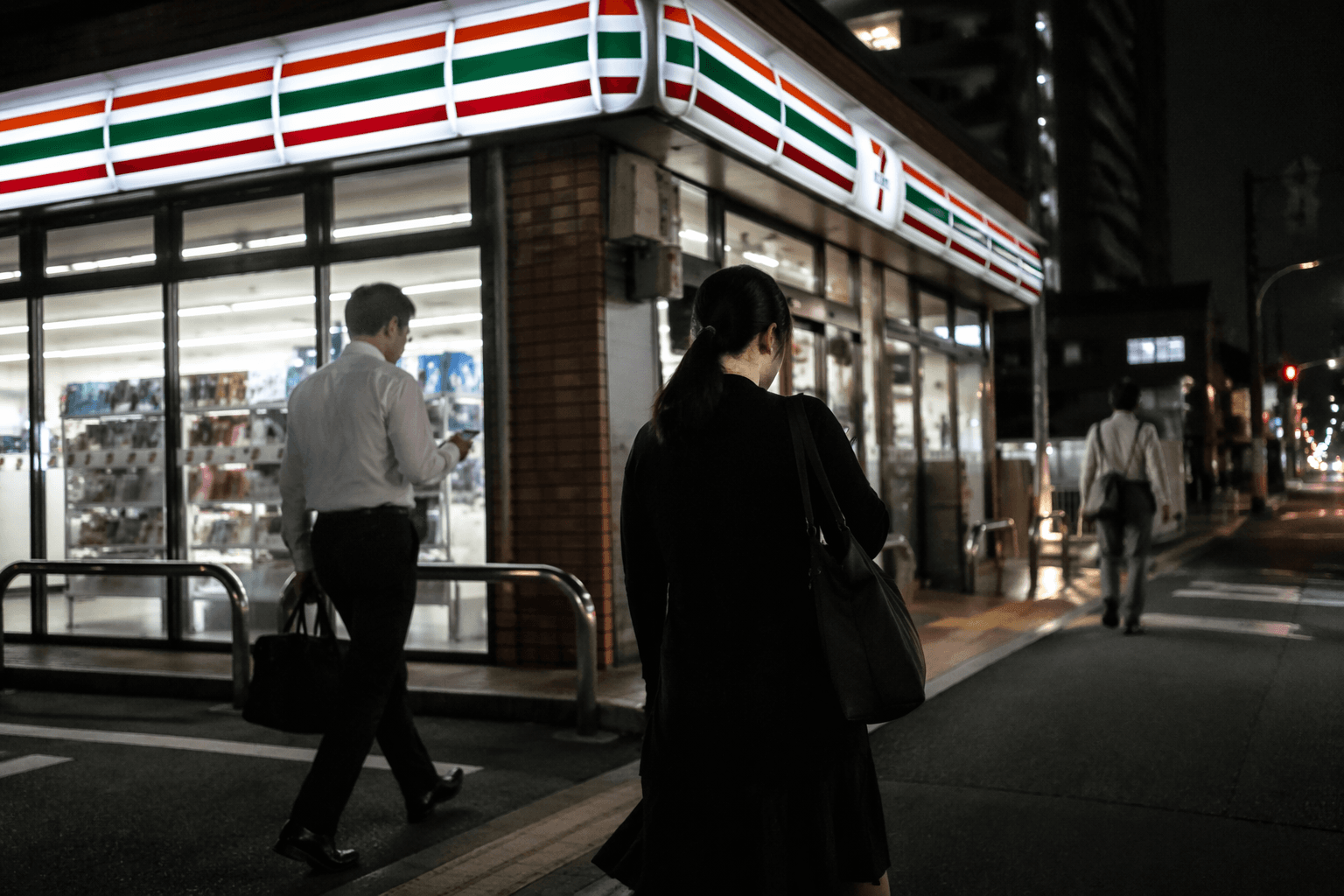
His most important innovation was operational, not cosmetic. Suzuki pushed the use of data to tailor inventory store by store, building a system that favored ready-to-eat meals, frequent restocking and rapid stock turnover. That model helped Seven-Eleven Japan move from a novelty to one of the most influential retail formats in the country, and it became a template copied widely across Japan and later across Asia. In a market shaped by dense cities and long workdays, Suzuki showed that speed, precision and product selection could matter more than the scale of a supermarket.
Suzuki’s influence extended well beyond Japan’s stores. He led Southland’s restructuring and rescue after the U.S. parent filed for bankruptcy in the early 1990s, helping stabilize the brand that had given Seven-Eleven Japan its name. In 2005, he also helped establish Seven & i Holdings as the business broadened into a larger retail conglomerate. He stepped down as chairman in 2016 after a management dispute, but he remained an influential figure in the industry.

His death closes the chapter on an executive whose ideas reached into the rhythm of everyday life in Japan. By making convenience stores dependable sources of food, household goods and other essentials, Suzuki helped redefine what urban retail could look like, and his emphasis on data, store density and fast-moving merchandise left a model that retail operators around the world still study.
Know something we missed? Have a correction or additional information?
Submit a Tip