Seven Focused Practice Routines to Build Independence for Intermediate Hobby Drummers
Seven practical routines that build the four-way independence you need—each routine pairs a clear technical focus with measurable homework and a quick self-audit you can use weekly.
1. Limb-by-limb metronome blocks
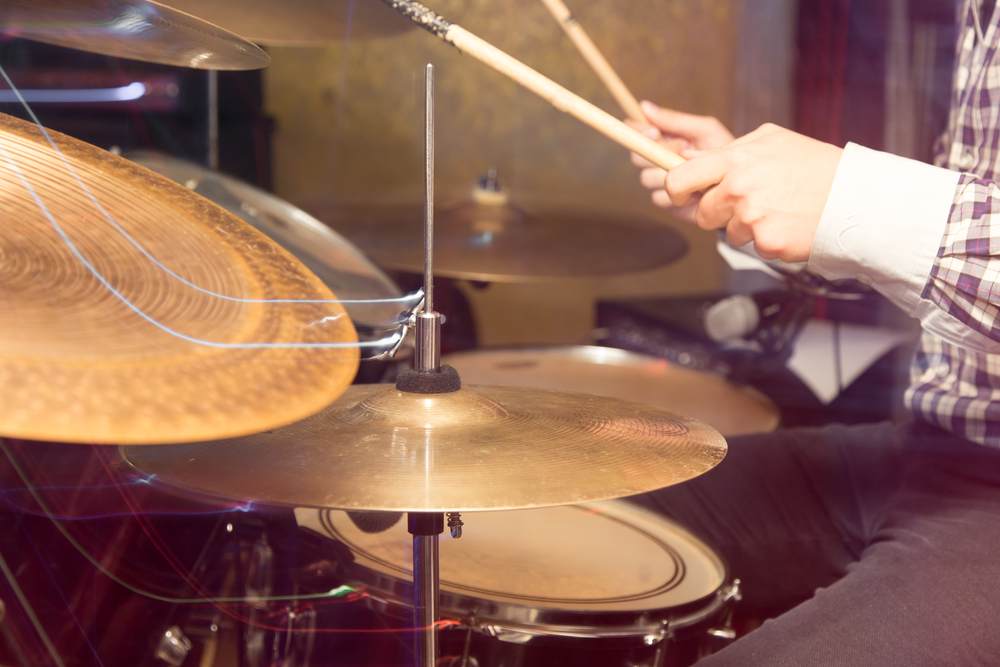
Start each session by isolating one limb for 6–8 minutes at controlled tempos: hands at 60→90→120 bpm, right foot at 50→70 bpm, left foot at 40→60 bpm. Treat this as a calibration routine: if your stick control is stable here, you can layer. This is aimed at “Intermediate hobby drummers and beginners who have basic stick control and want structured practice routines that target independence, limb coordination, and musical application.” Work in 3–5 minute blocks per limb, record a short clip, and compare steadiness across tempos.
2. Two‑limb ostinatos with displacement
Pick two limbs and make one maintain an ostinato while the other moves through 8-bar displacement patterns—common pairings are hi‑hat foot + snare, hi‑hat foot + bass drum, or ride hand + bass drum. Start with simple 8th-note ostinatos (metronome on 2 & 4) then displace the moving limb by one 8th, then two, then three; work each displacement for 4–6 minutes. This routine develops the habit that underpins groove: “Independent limb control is the foundation of modern kit playing —” and forces the supporting limb to stay constant while a partner shifts rhythmically.
3. Hand/foot coordinations with metric modulation
Run a 12‑minute cycle that pairs hand rudiments on the snare (single‑stroke, paradiddle) at a set subdivision while the bass drum and hi‑hat foot create a different subdivision—practice 4:3 and 3:2 feel transitions. Example practice: hands play 8th‑note paradiddles at 90 bpm while the bass plays a 3‑over‑2 feel every 2 bars; switch roles after 6 minutes. The goal is clean metric modulation so your limbs can change emphasis without losing placement—record the transitions and flag any bars that drift.
4. Four-way mapping (simple polyrhythms to musical phrases)
Map out a short 16‑bar phrase that assigns a simple pocket to each limb (ride/hand: anchor, snare: accents, kick: syncopation, hat foot: time). Start with 4:4 base and introduce a 3:4 polyrhythm between hands and feet for 4 bars, then resolve to straight groove. Start slow (60–70 bpm) for accuracy, then bring it up to performance tempo. This is the practice that makes multi-limbed independence feel musical rather than mechanical—treat the first 8 bars as accuracy training, the last 8 as musical application.
5. Song‑driven application and groove mapping
Turn one song into a lab: pick a 90–110 bpm tune and assign a specific independence goal for each section (verse = tighter HH foot + snare syncopation; chorus = bass‑drum fills with linear hand patterns). Play along for 2–3 passes, then stop and isolate the trouble bars as targeted mini‑routines (3‑minute repairs). This ties the technique back into “musical application” from the guide’s stated audience and keeps practice transferable to real playing contexts.
6. Accountability checklist and weekly readiness score
Treat practice like a work skill: use the “TOTAL WORK SKILLS” list as your weekly accountability checklist—1. “Get to work on time and attend regularly.” 2. “Ask questions when I am unclear about what’s expected of me.” 3. “Accept correction from my supervisor without getting defensive.” 4. “Get my work done on schedule.” 5. “Demonstrate a positive and respectful attitude at work.” Each item is a practice habit (arrival, curiosity, coachability, completion, attitude). At the end of the week rate yourself on each item, add up the totals and map them to the provided readiness ranges: “For each category, add up your score. See where your strengths and challenges are: 17-20: Smooth Sailing! … 11-16: Rough Waters … 1 -10: Stormy Seas …” Use that snapshot to decide which of the seven routines gets priority next week.
- “What did you learn about your life skills?”
- “What do you feel most confident about?”
- “What are the skills that you could improve that might affect your life in a positive way?”
7. Feedback loop: student report, sample questions, and the cheerleader check
After each practice week, complete a short Student Personal Feedback Report: “What can you do to overcome the difficulties you might face once you’re on your own? Which skills could you improve that might affect your life in a positive way? Identify up to 3 areas you think would most improve your readiness for independence and write your goals in the space provided on the "Moving from Values to Committed Activity" worksheet. [...] Problem Solving, Avoiding Trouble, and others. Students are asked to rate themselves and add up their scores in each area to learn where they already have strengths and where they might need some additional knowledge, training, or support to gain independence. The Student Readiness Activity is meant to be completed by the student alone and reviewed together with you.” Pair that with these exact sample review prompts as a short coaching ritual:
Also use the “Cheerleader In this role, one thing you can do to stay connected to your student is to help them see their strengths and how those strengths might inform their values. Along with this, you can acknowledge their” fragment as a reminder to keep feedback positive and strength‑focused even when drilling technical faults. Close the week by writing three concrete micro‑goals on the worksheet and committing to a focused 10‑minute sequence from one of these seven routines.
Final note: combine technique and mindset. The seven routines give you the mechanical building blocks; the work‑skills checklist and the Student Personal Feedback Report fold practice into real-world habits so independence isn’t just a trick your limbs can do, it’s a repeatable, scored routine you can rely on in rehearsal or on stage.
Know something we missed? Have a correction or additional information?
Submit a Tip