Seven Ways Sourdough Outperforms Commercial Bread in Flavor, Health, Ritual
Slow, wild fermentation gives sourdough real advantages: deeper flavor, gentler digestion, simple ingredients and a lasting ritual — experts point to 12–24 hour rises and whole grains.
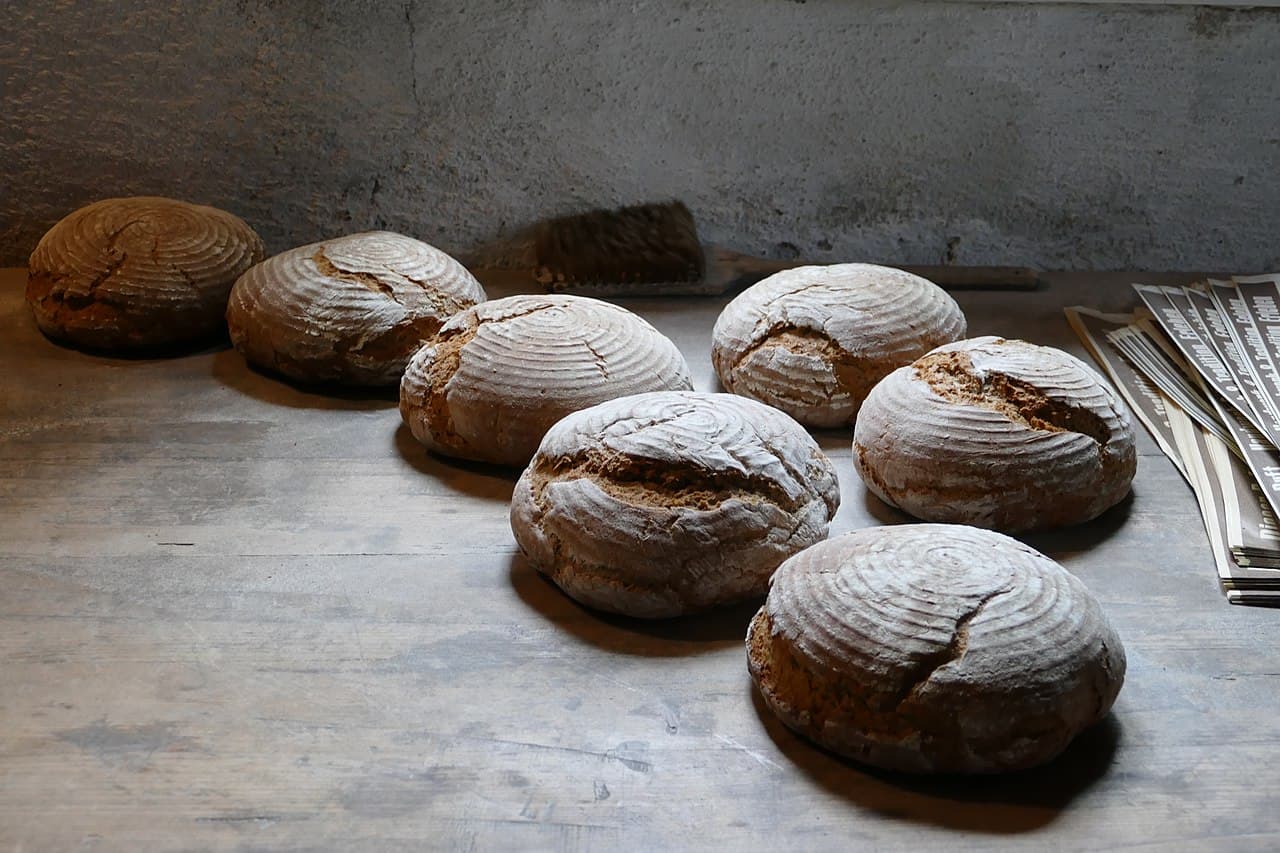
Fermentation mechanics: wild microbes, not a quick fix Ila Bonczek’s commentary argues that sourdough’s edge begins at the microbial level: the starter is “a mixture of flour and water left to ferment, capturing wild yeast and lactic acid bacteria from the environment.” That leavening mix is fundamentally different from the instant action of commercial yeast. As registered dietitian Emer Delaney puts it, “Instead of using yeast, which gives a quick rise, sourdough is leavened, which is a slower fermentation process that uses a mix of wild yeast and lactic acid bacteria. It can take anywhere between 12 and 24 hours for this to happen,” — a window Delaney and the MarthaStewart guidance both flag as central to sourdough’s character and benefits.
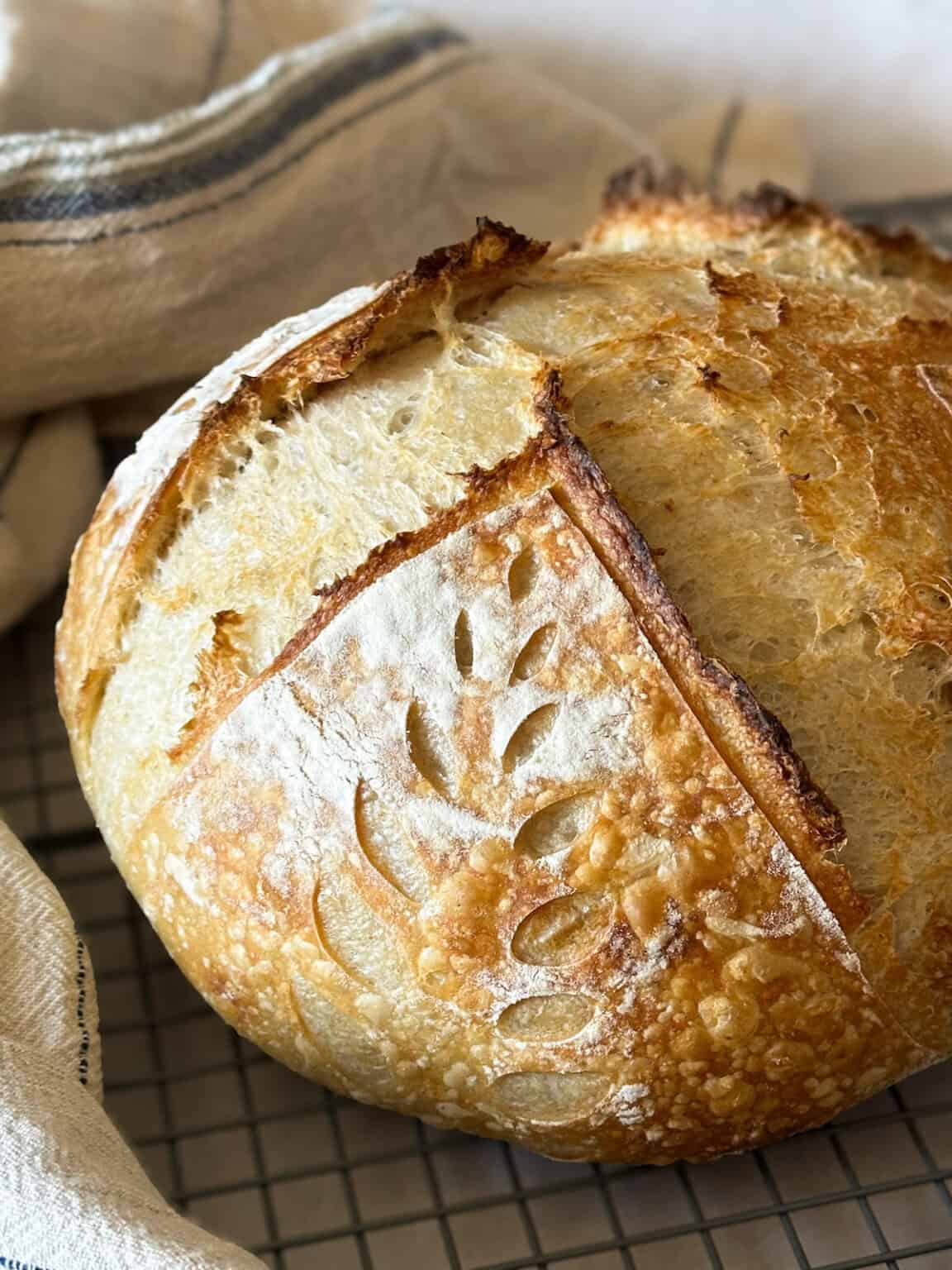
Flavor and texture: tang that develops with time The starter’s microbial activity is what gives sourdough its “signature tang and chewy texture,” a sensory profile that sets it apart from mass-produced loaves. Slow acid production over that 12–24 hour fermentation creates organic acids and flavor compounds that bakers prize; Bonczek’s commentary synthesizes these sensory arguments as a core reason people prefer sourdough over standard commercial bread. The result is bread with layered flavor—subtle sour notes, caramelized crust, and a more complex crumb—that shows when you favor long-fermented recipes and whole-grain flours.
Digestibility: easier on the gut, with limits “Where sourdough really stands out is in digestibility. The long fermentation process partially breaks down gluten and starches, which means your gut has less work to do to absorb and digest the bread. That said, it does not eliminate gluten.” That practical caveat comes directly from the consumer guidance and matters: fermentation can change the molecular makeup of dough, easing digestion for some people, but it is not a cure for celiac disease or full gluten sensitivity. For shoppers and home bakers, that nuance is crucial—sourdough can be gentler, but not universally safe for everyone who avoids gluten.
Gut-health claims: probiotics, prebiotics and blood sugar effects Registered dietitian nutritionist Yvette Hill of Boulder County, Colorado, summarizes the touted microbiome benefits plainly: “The fermentation process creates beneficial bacteria, or probiotics, that can support gut health. The fermentation can also produce food to help these healthy organisms grow, called prebiotics. This can benefit digestion. Through this fermentation process, the glycemic index is also lowered, causing less of a spike in blood sugar.” Hill’s formulation captures three linked claims often used to favor sourdough—probiotic and prebiotic activity and a reduced glycemic response—while the reporting notes that these are expert interpretations rather than quantified trial results in the excerpt.
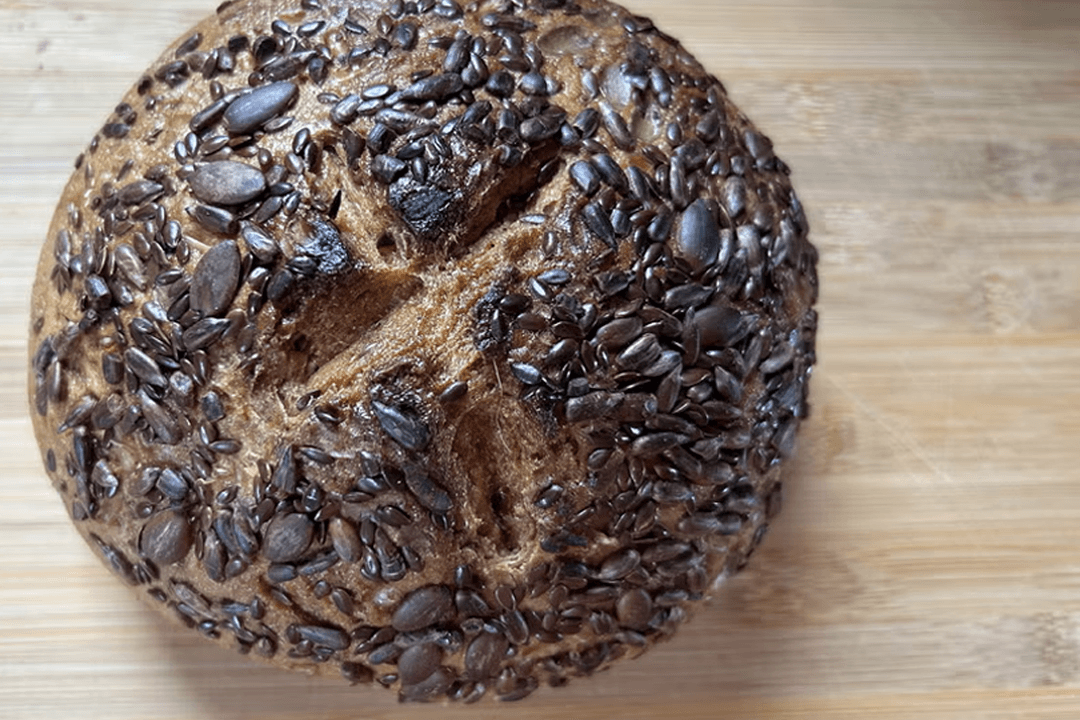
Ingredient simplicity and whole-grain advantage Practical guidance for authenticity is succinct: “When choosing a sourdough bread, ensure it's made with a long fermentation process of 12 to 24 hours and whole grain flours to maximize health and flavor benefits. Look for ingredients that only include flour, water, salt, and starter; avoid breads that list commercial yeast.” Whole-grain flours bring fiber and micronutrients into the loaf, and the clean-ingredients checklist helps differentiate genuinely fermented bread from products that borrow the sourdough label but rely on added yeast or flavorings. For bakers and buyers alike, that ingredient line is a reliable shortcut to the loaf you actually want.
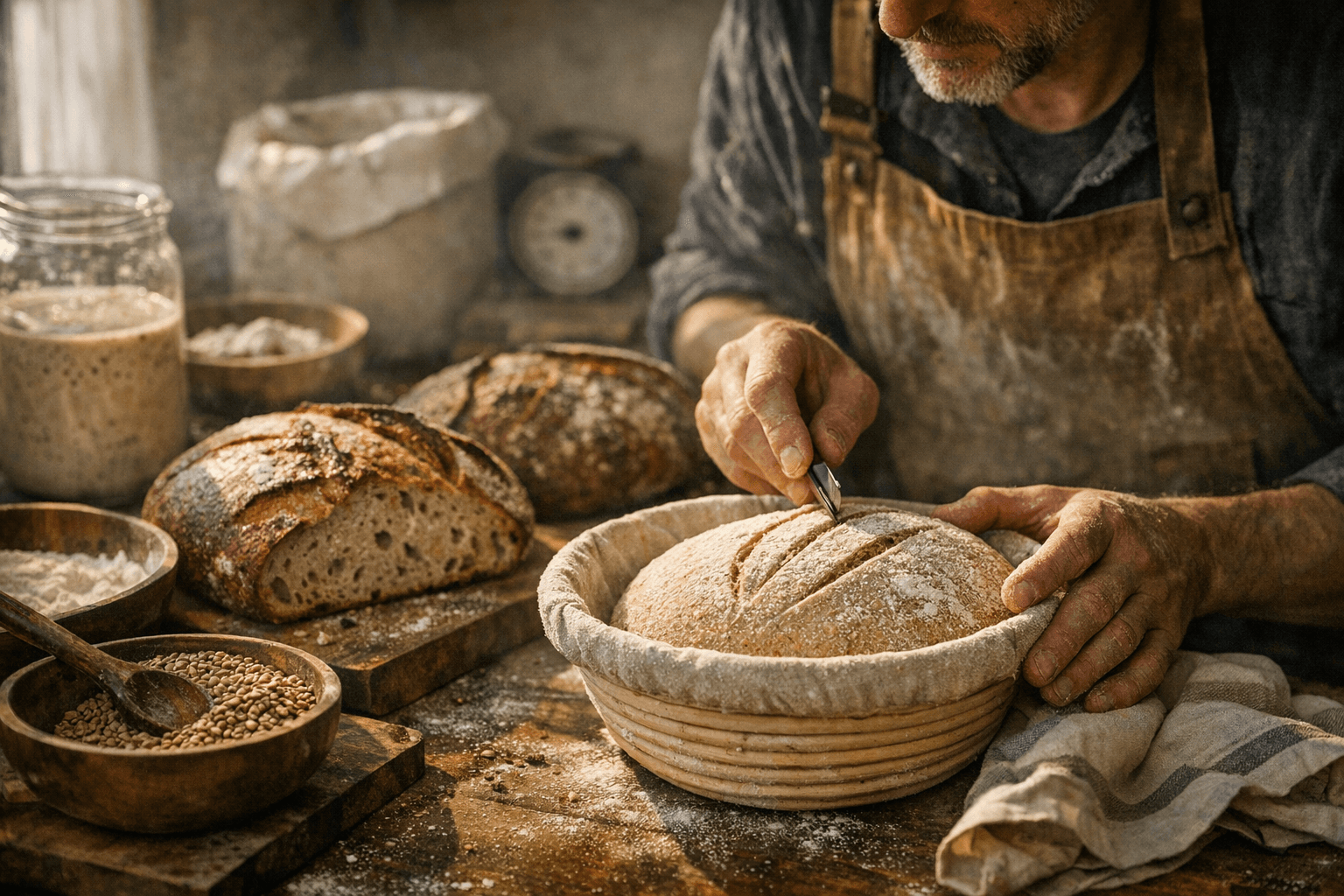
Ritual and community: the starter as shared memory The cultural case for sourdough is part nostalgia, part community practice: remember “nurturing bubbling jars of sourdough starter in the early days of the pandemic?” That shared experience turned feeding schedules and discard swaps into neighborhood rituals and online communities. Bonczek’s commentary places ritual alongside sensory and nutritional arguments, and that communal aspect—starter handoffs, local bake swaps, weekly feed rhythms—helps explain why sourdough occupies more than a shelf in the bakery; it becomes a practice that strengthens local ties and keeps knowledge of long fermentation alive.
How to choose and what to expect: realistic guidance and a closing caveat Putting it together into a buyer’s checklist keeps expectations grounded: favor long-fermented loaves (12–24 hours), whole-grain flours, and an ingredient list of only flour, water, salt, and starter; avoid breads listing commercial yeast. Emer Delaney’s explicit prescription—“The longer fermentation method, the better. Anywhere between 12 and 24 hours will yield the best benefits”—gives bakers and shoppers a concrete target for methods and labels. And it’s worth preserving the tempering line from the consumer guidance: “Sourdough isn't a miracle food, but when made well, it is a flavorful, nourishing loaf that could outshine others.” That balance—real advantages without hyperbole—best serves both kitchen experiments and decisions at the bakery counter.
Conclusion Taken together—Bonczek’s commentary and the practical, expert-backed guidance from registered dietitians—sourdough’s superiority shows up in distinct, actionable ways: microbial-driven flavor, measurable changes to digestibility, potential microbiome and glycemic benefits, simple ingredient lists, and a living ritual that binds bakers and communities. For anyone choosing loaves or shaping a product line, those seven factors point to one clear move: prioritize genuine long fermentation and whole grains, and the results will be both sensory and communal.
Know something we missed? Have a correction or additional information?
Submit a Tip