Severe Weather Prompts Early Closures at Traverse Area Libraries
Libraries around Traverse City closed early on Jan. 19 because of heavy snow warnings, disrupting access to services and creating travel and childcare challenges for local residents.
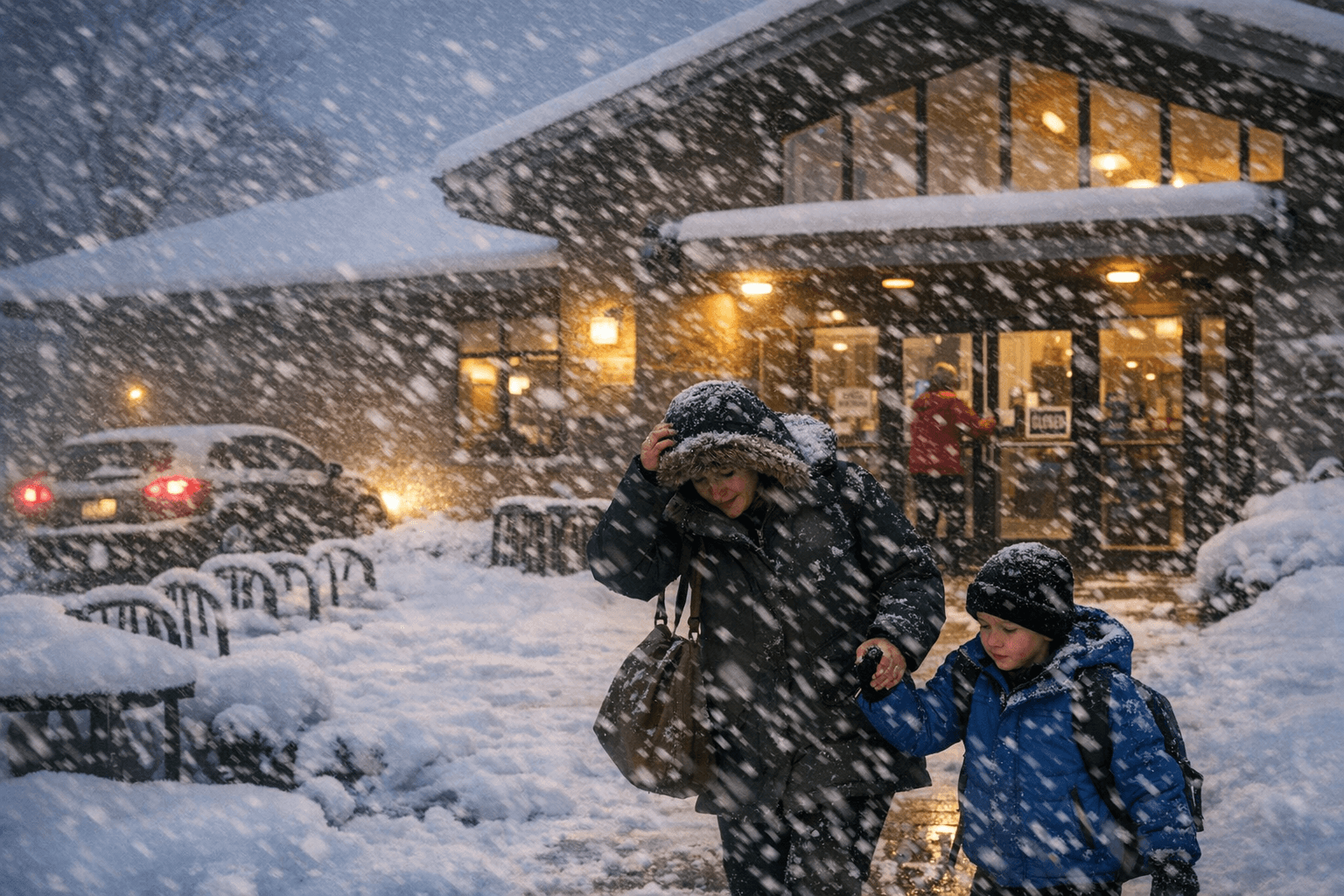
Severe winter weather prompted library systems around Traverse City to shut doors early on Jan. 19, a move officials said was aimed at protecting patrons and staff amid forecasts of heavy snow and hazardous travel conditions. The Traverse Area District Library branches at Woodmere and Kingsley, along with member libraries in Interlochen and Fife Lake, closed at noon, while the Peninsula Community Library closed for the day in alignment with TCAPS school cancellations.
The closures removed an important neighborhood resource for several hours on a weekday. Libraries in Grand Traverse County routinely serve as study space, internet access points and informal childcare hubs for families and remote workers. When branches closed midday, scheduled programs, in-person research appointments and drop-in access to computers and Wi-Fi were interrupted, disproportionately affecting students and residents who do not have reliable internet at home.
Library administrators posted notices to their channels and coordinated timing with TCAPS in the case of the Peninsula Community Library, reflecting an existing practice of matching school district decisions during severe weather. That coordination reduces confusion for families juggling school and errands, but the closures also highlight a short-term tradeoff between physical safety and community service continuity.
The economic ripple effects were limited but real. Reduced foot traffic around branch locations likely meant fewer customers for nearby cafes and small retail shops during the midday hours. For hourly staff, early closures can alter schedules and pay patterns, while repeated weather-related disruptions can increase operational uncertainty and administrative costs for municipal and nonprofit budgets that already face pressure from inflation and service demands.
On a broader level, the incident underscores the need for local resilience planning. As severe weather events become more frequent, the county will face decisions about investing in preventative measures such as prioritized snow clearance around essential public facilities, expanding remote access to library services, or codifying closure triggers to give residents clearer expectations. Enhancing digital lending, curbside pickup and virtual programming can mitigate the impact of temporary closures, but those solutions require sustained funding and technical capacity.
For now, the most immediate takeaway for residents is practical: check the Traverse Area District Library and member library websites or social media for reopening updates and remote service options when weather advisories hit. The Jan. 19 closures were a reminder that safety comes first, but they also point to longer-term choices about how the community keeps essential services running when the weather turns.
Sources:
Know something we missed? Have a correction or additional information?
Submit a Tip