Shanghai housing rebounds, but China’s property slump still drags on
Shanghai’s sales hit a five-year daily record, but China still faces a fifth-year property slump, millions of empty flats and a huge backlog of unfinished homes.

Shanghai’s housing market is flashing a brighter signal, but the national picture still looks far from healed. Official data showed that only 14 of 70 large and medium-sized Chinese cities recorded higher new-home prices in March 2026, even as Shanghai logged 1,632 home transactions on April 11, its busiest single day in five years.
That split captures the central problem in China’s property market: strength is concentrated in first-tier and hotspot cities, while the broader market remains burdened by excess supply, weak sentiment and stalled construction. Shanghai’s February 2026 “Seven Measures” shortened the social-security-payment requirement for some non-registered buyers and raised provident fund loan ceilings, while Beijing and other cities also eased purchase restrictions. Those steps have helped activity at the top end, but they have not erased the deeper national slump.
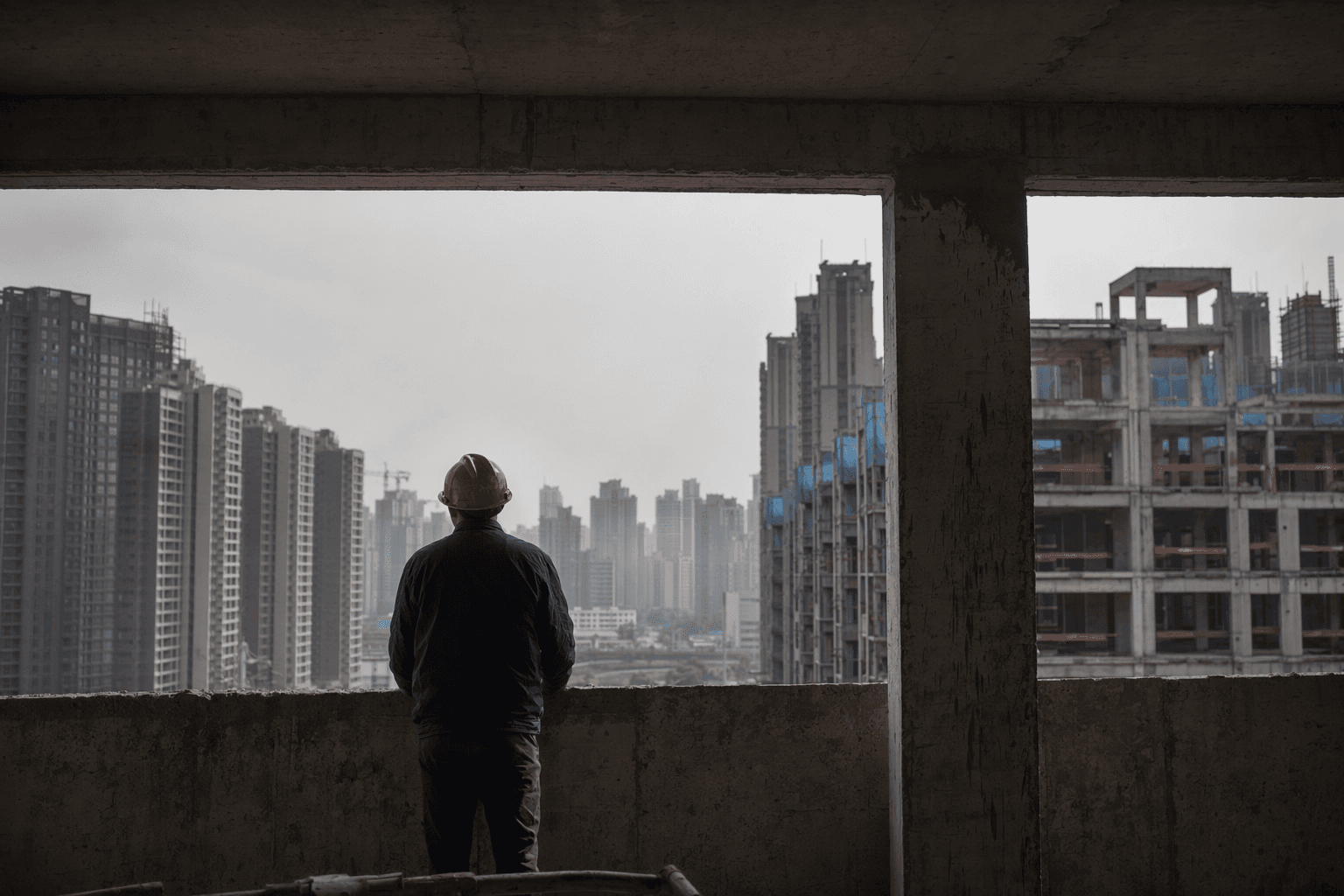
China’s property downturn is now in its fifth year. Since the 2021 peak, property investment has nearly halved, and land-use-rights revenue for local governments has fallen by more than 50% between 2021 and 2025. That matters well beyond real estate itself. Housing has been the main store of wealth for hundreds of millions of households, and land sales have long been a pillar of local government finance. As prices soften, the damage spreads to confidence, consumption, jobs and debt-stressed municipal budgets.
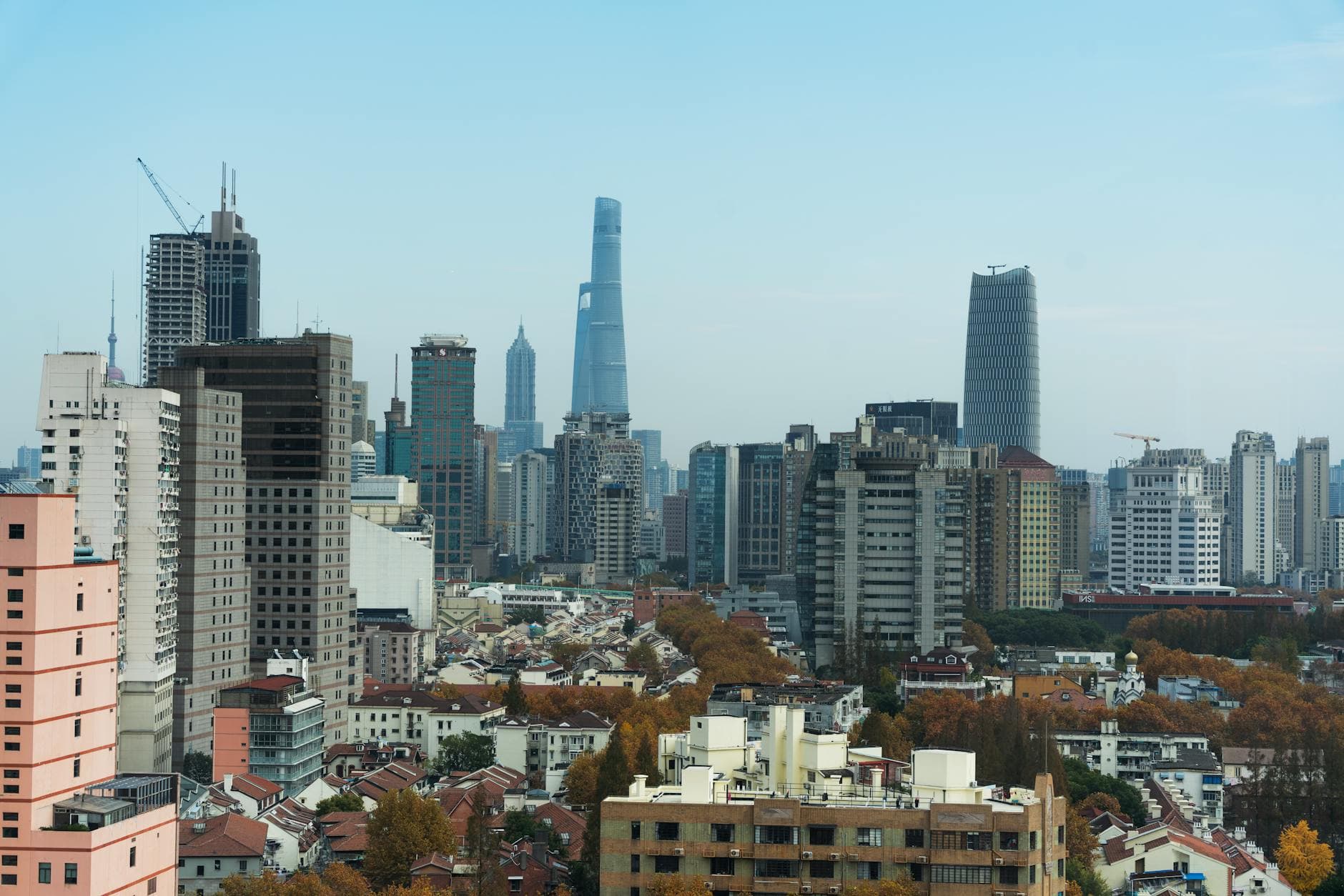
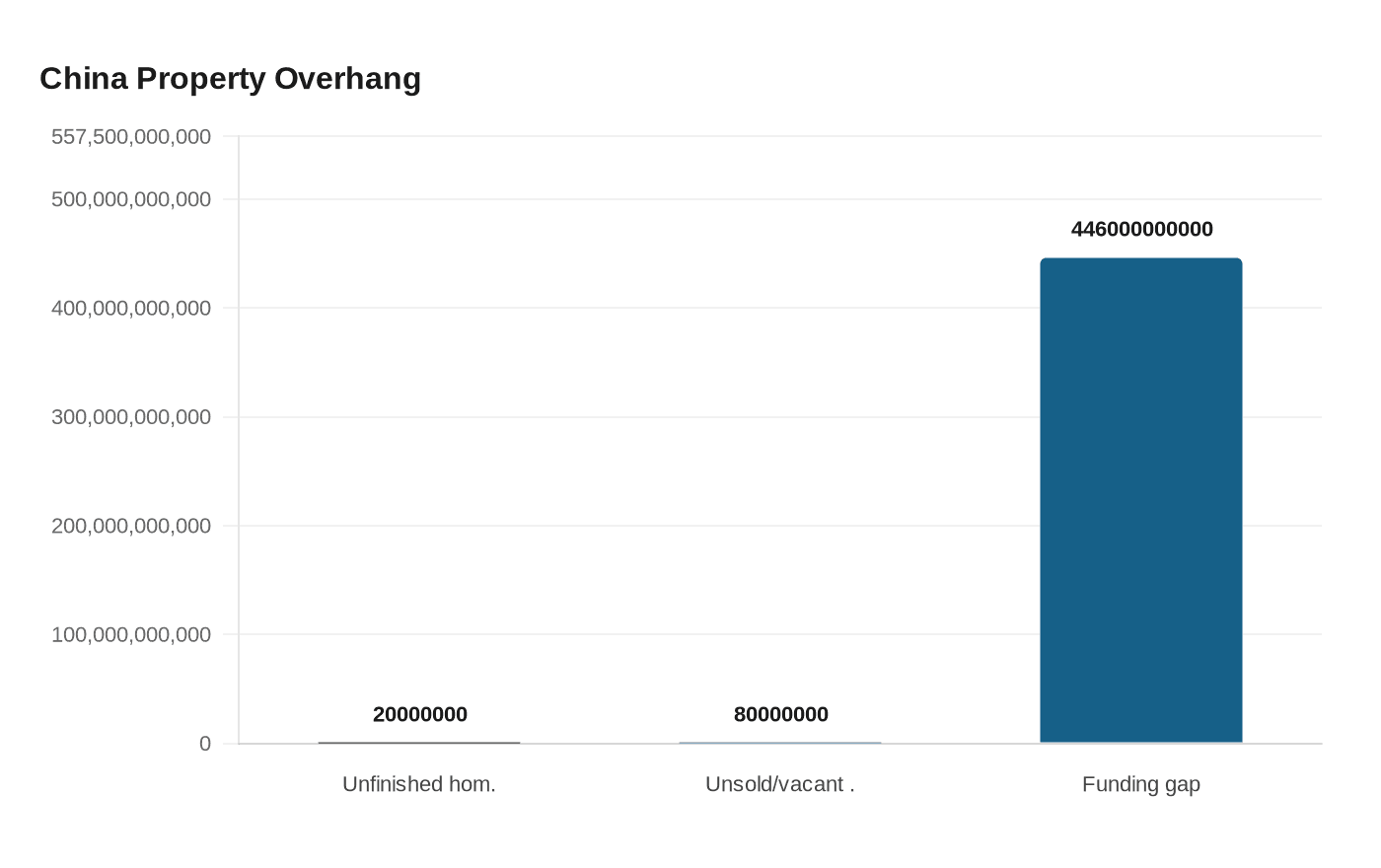
The scale of the overhang remains daunting. Nomura estimated around 20 million unfinished homes left by Evergrande Group and other failed developers, with a funding gap of about $446 billion needed to complete them. Broader estimates suggest around 80 million unsold or vacant homes still clog the market. Beijing has said the old formula of “high debt, high leverage, high turnover” has reached its end, and policy commentary now points toward a new property development model built around affordable housing and more carefully planned supply.
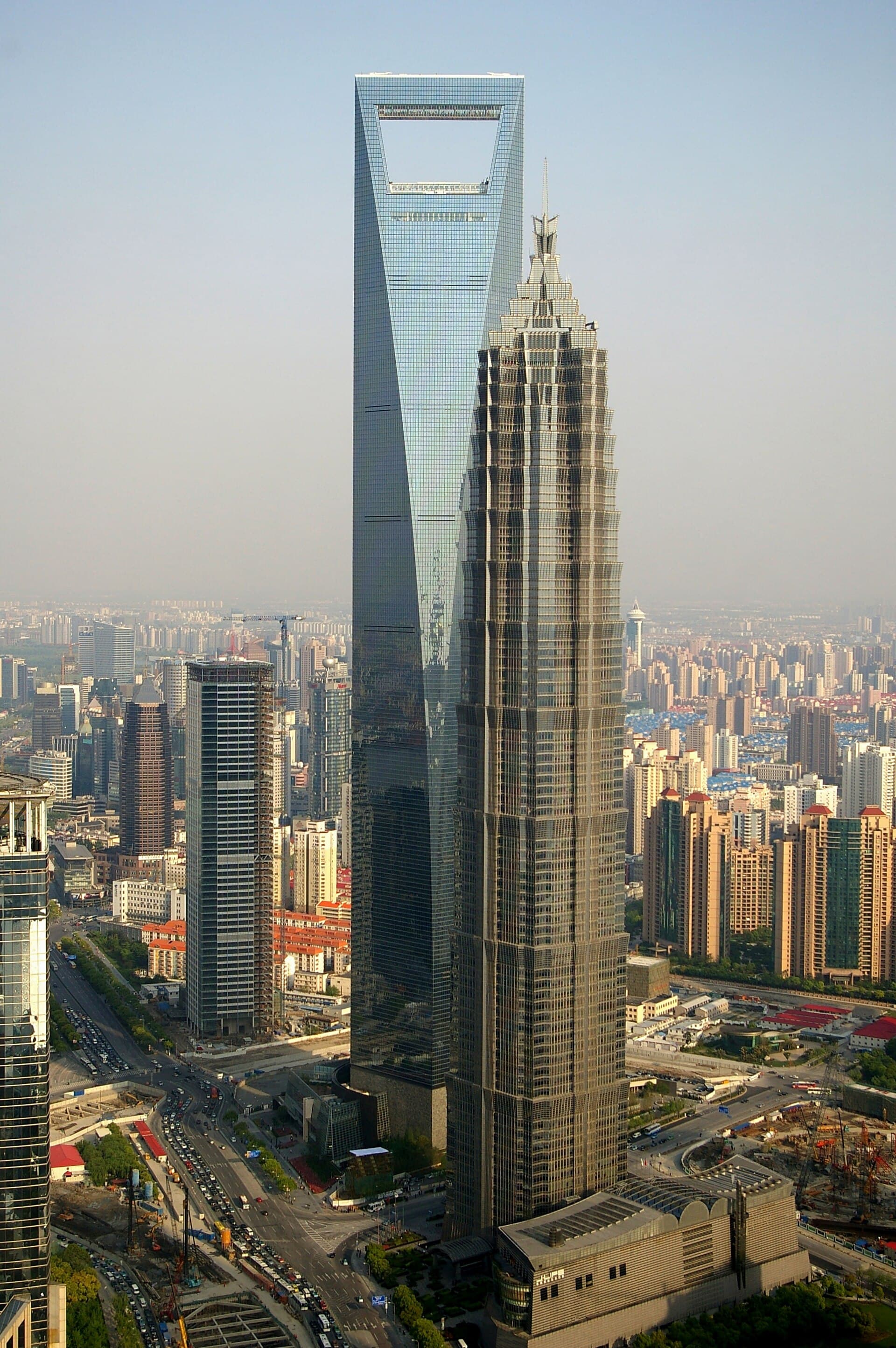
Even so, recent numbers offer only tentative relief. New-home price declines in April 2026 slowed to their weakest monthly pace in a year, suggesting the slide is losing speed. But a slower fall is not the same as a durable turnaround. Until the inventory of empty apartments and unfinished projects is meaningfully reduced, Shanghai’s rebound will look more like a narrow pocket of resilience than proof that China’s property crisis has finally bottomed out.
Know something we missed? Have a correction or additional information?
Submit a Tip