U.S. indicts Raúl Castro over 1996 shootdown of exile planes
U.S. prosecutors charged 94-year-old Raúl Castro in the 1996 exile-plane shootdown, reviving a case that killed four men over international waters.
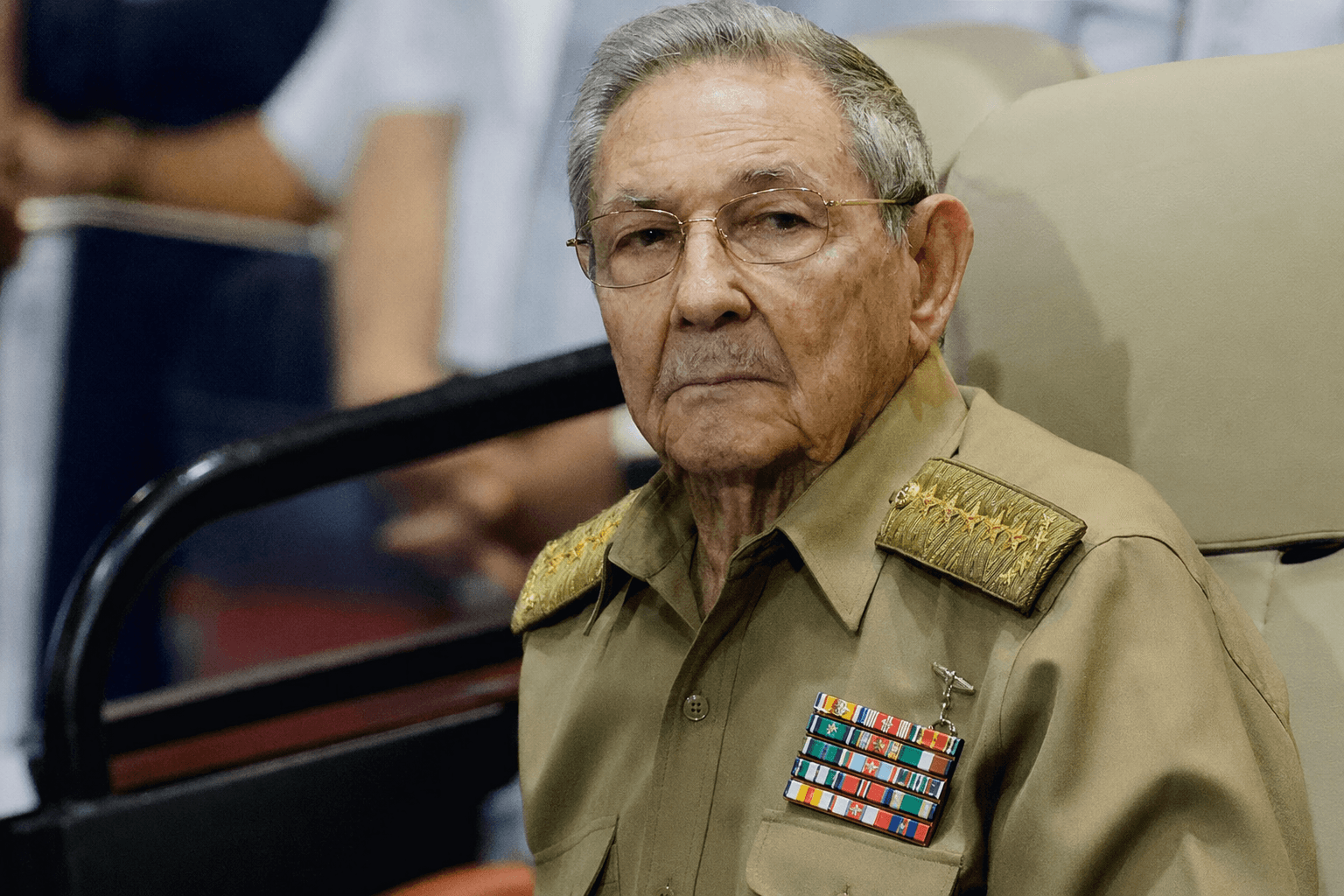
The United States has formally accused Raúl Castro of helping set in motion the 1996 shootdown of two civilian planes flown by Brothers to the Rescue, turning one of the most searing episodes in Cuban exile history into a murder case with seven federal counts. The superseding indictment, returned in Miami on April 23 and unsealed Wednesday, charges Castro and five other former Cuban military officials with conspiracy to kill U.S. nationals, four counts of murder and two counts of destruction of aircraft.
The case reaches back to February 24, 1996, when Cuban Air Force jets shot down two Brothers to the Rescue Cessna aircraft over international waters, killing Carlos Costa, Armando Alejandre Jr., Mario de la Peña and Pablo Morales. Brothers to the Rescue had been founded to locate and help rafters fleeing Cuba, and the indictment says Castro, then Cuba’s defense minister, authorized deadly force against the group after it dropped human-rights leaflets over the island in January 1996. That sequence has long defined the grief of exile families in South Florida, where the shootdown became a rallying cry for accountability.
Castro, now 94, turns 95 next month, and the timing of the indictment makes the case as much about the past as the present. The Justice Department called the superseding indictment a major step toward accountability in the murders of the four Brothers to the Rescue members, but the practical path from indictment to punishment remains narrow. Cuba condemned the charges, and the island’s foreign ministry did not immediately comment in some reports, underscoring the political chasm that has surrounded the case for three decades.
The new charges also landed inside a broader pressure campaign from Washington against Havana. Reuters reported that the indictment came as Cuba faced worsening economic strain and fuel shortages, while U.S. Senate Democrats introduced a resolution aimed at stopping President Donald Trump from using military force against Cuba. For families who have waited since 1996, the indictment does not change what happened over the Caribbean Sea, but it does put the shooting back into the federal record as an unresolved killing, not just a Cold War memory.
Know something we missed? Have a correction or additional information?
Submit a Tip