Ukraine drone strikes halt much of Russia's fuel refining output
Drone strikes have idled or slowed refineries handling more than a quarter of Russia’s fuel capacity, squeezing gasoline, diesel and wartime revenue.
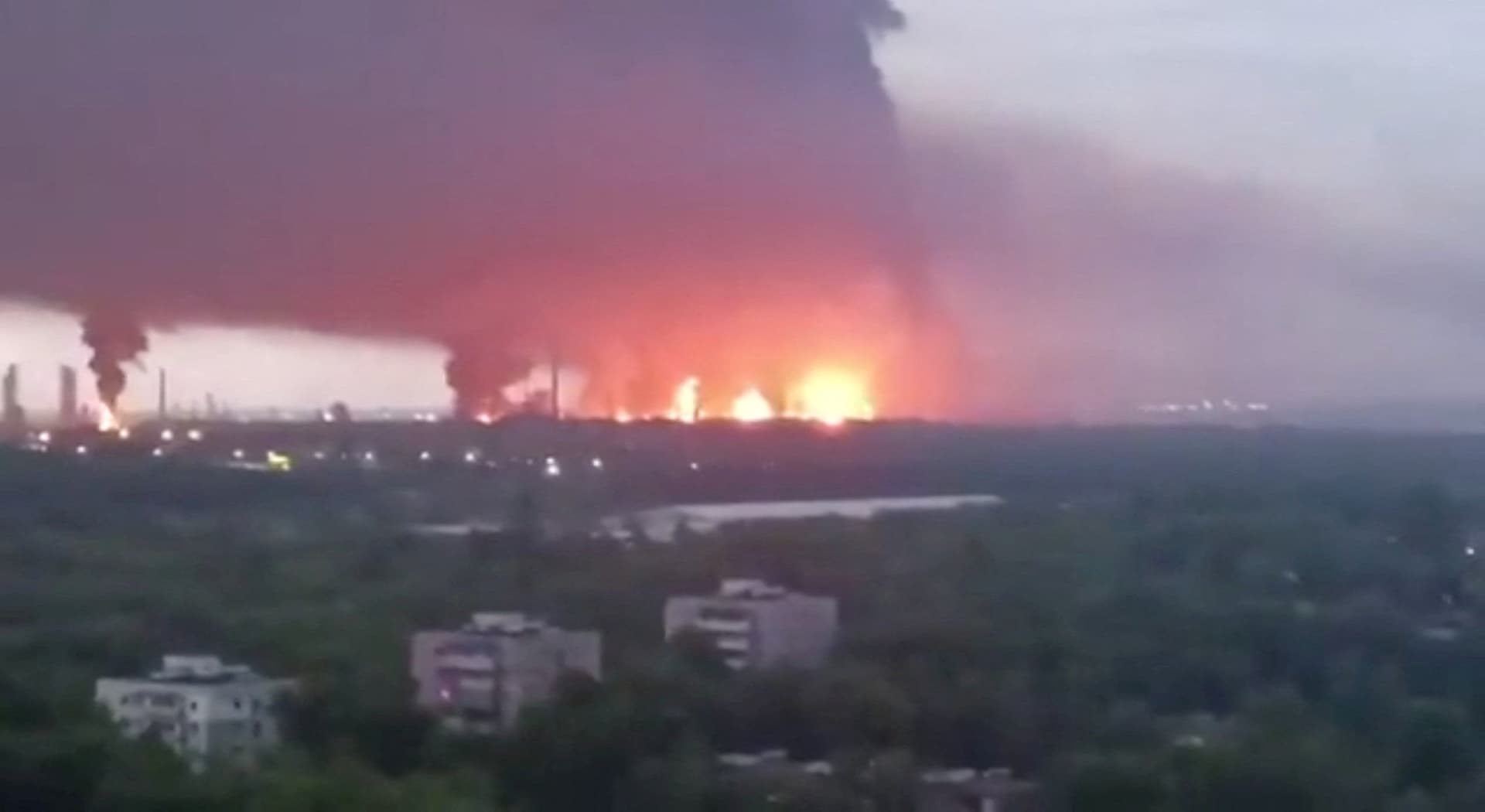
Ukrainian drone strikes have forced much of Russia’s central refining system to halt or scale back fuel output, cutting into plants that together process more than 83 million metric tons a year, or about 238,000 tons a day. That is roughly one quarter of Russia’s refining capacity, and the outages hit more than 30% of the country’s gasoline output and around 25% of its diesel production.
The damage is spreading across a wide industrial belt. Facilities in Kirishi, Moscow, Nizhny Novgorod, Ryazan and Yaroslavl have been struck, and the Kirishi refinery, one of Russia’s largest at 20 million tons a year, has been fully shut since May 5. Nizhegorodnefteorgsintez, known as NORSI, was attacked on May 20, and it was not immediately clear whether the plant was still operating in part. Russia’s Ministry of Energy did not respond to a request for comment.
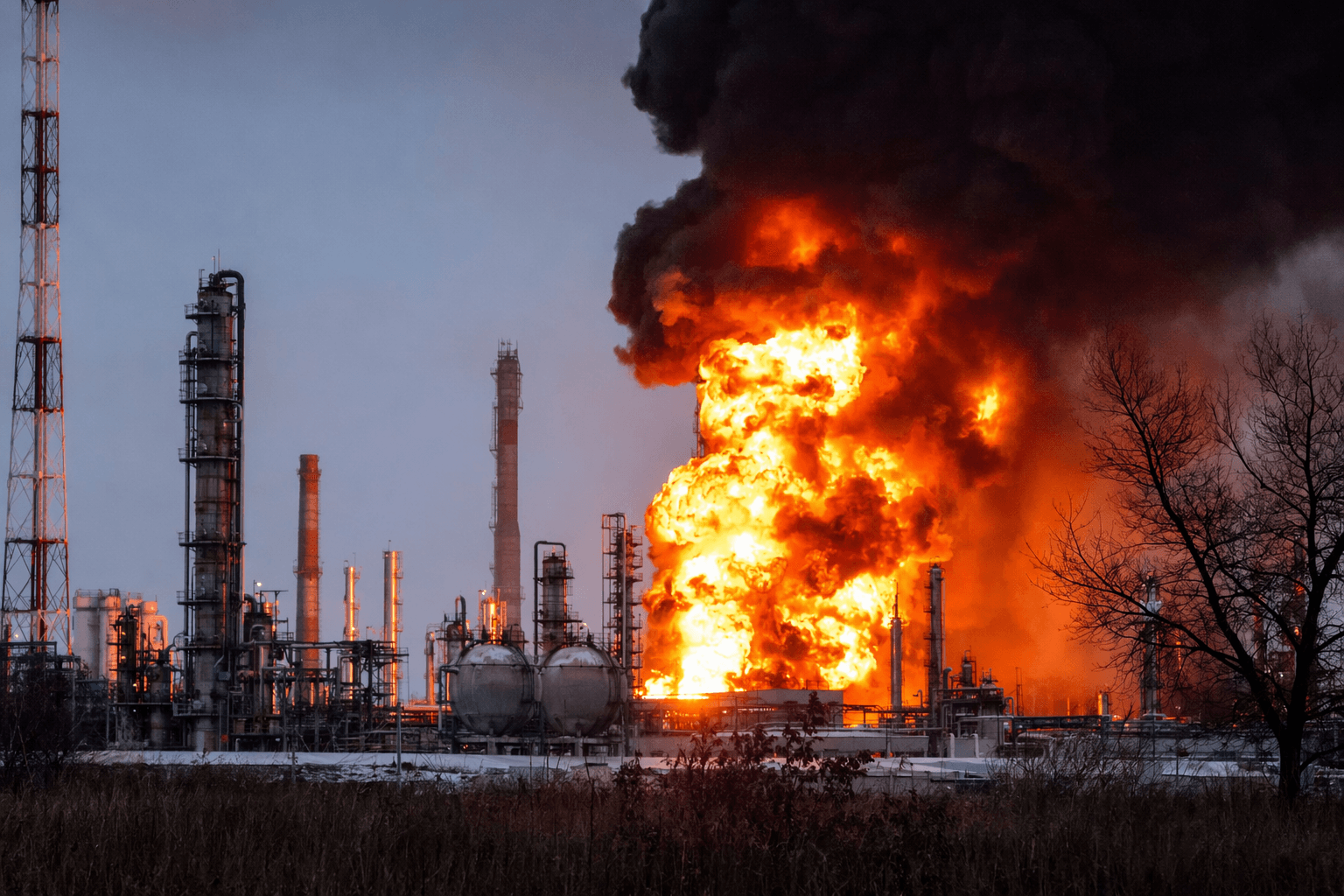
The latest outages come after a run of earlier hits that already showed how vulnerable Russia’s fuel network has become. The Perm refinery completely halted processing after a May 7 drone attack that caused a fire and damaged equipment. The Tuapse refinery stopped operations after an April 16 strike, Syzran suspended refining after an April 18 attack, and Novokuibyshevsk’s primary processing was also halted after the same April 18 attack. Tuapse has capacity of around 12 million tons a year, and Syzran around 8.5 million tons.
Moscow had already moved to protect the domestic market. Russian Deputy Prime Minister Alexander Novak instructed the energy ministry to draft a gasoline export ban starting April 1, and state media reported it would run through July 31. Russia exported nearly 5 million metric tons of gasoline last year, about 117,000 barrels a day, so restricting exports was already a sign that supply was tight before the latest wave of strikes.
The pressure reaches far beyond refinery gates. Oil and gas taxes account for roughly a fifth of Russia’s total budget income, and those revenues are central to financing the federal budget and the war effort. Russia’s state oil and gas income was projected to rise to 700 billion roubles in May, but still fall about 17% from April because of cyclical tax payments. For January through May, oil-and-gas revenue was down about one-third from a year earlier, to 3 trillion roubles, even as the 2026 budget forecasts 8.92 trillion roubles from oil and gas and 40.283 trillion roubles in total revenue.
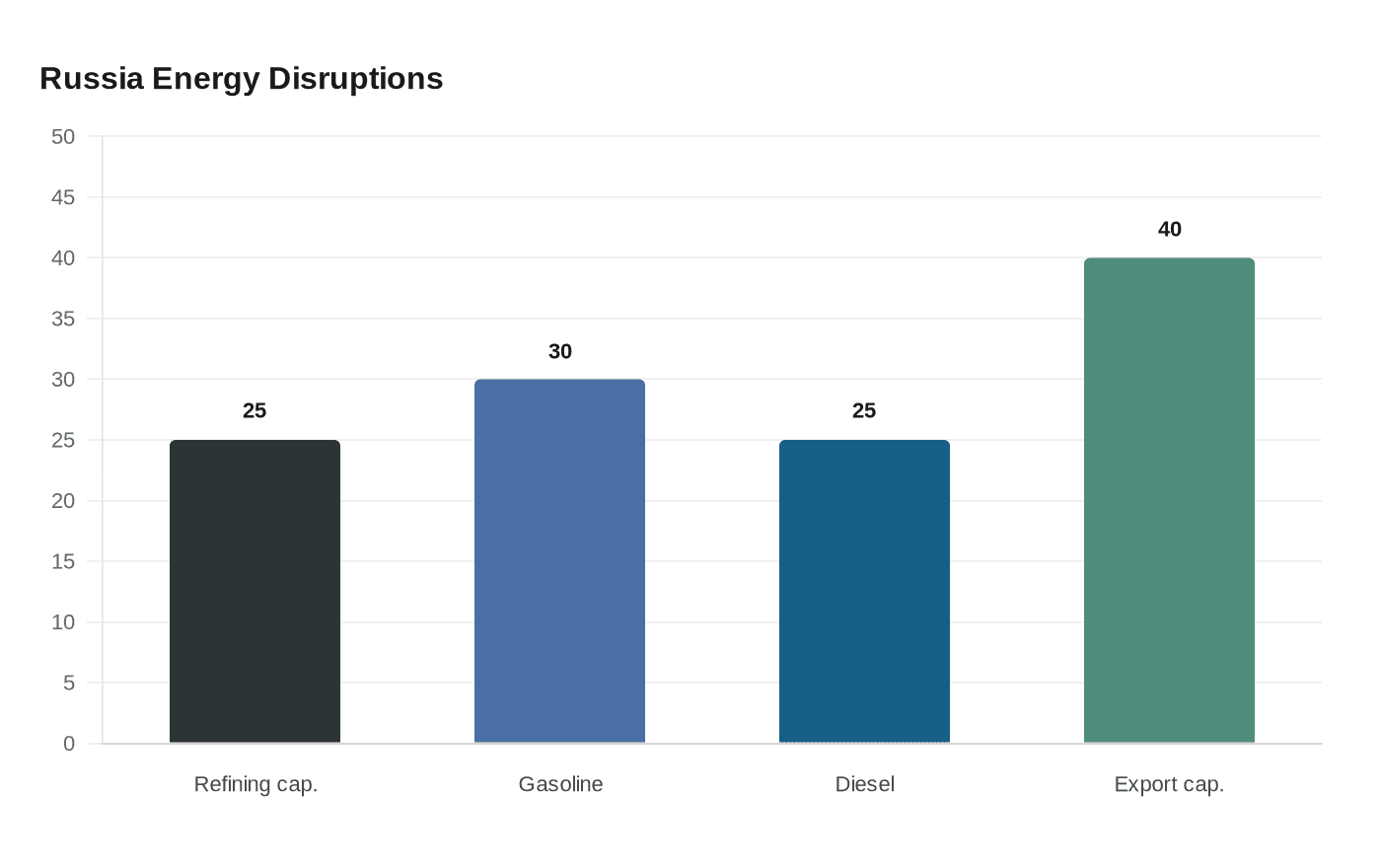
The campaign has also hit export-linked infrastructure. A fuel leak at Primorsk, one of Russia’s main oil-export outlets, followed a drone strike on April 5, the same day NORSI caught fire. At one point in March, around 40% of Russia’s oil-exporting capabilities were shut because of attacks on infrastructure, the closure of the pipeline in Ukraine and the seizure of Russia-linked tankers. The strikes are now doing more than burning fuel sites; they are forcing Russia to manage a more fragile energy system while trying to keep military logistics, domestic supply and export earnings intact.
Know something we missed? Have a correction or additional information?
Submit a Tip