Sheinbaum Says Pemex Acted Independently, Denies US Ordered Cuba Oil Halt
Mexican president Claudia Sheinbaum says Pemex acted independently after a scheduled January crude shipment to Cuba was removed, a move that matters as Cuba faces worsening fuel shortages and blackouts.

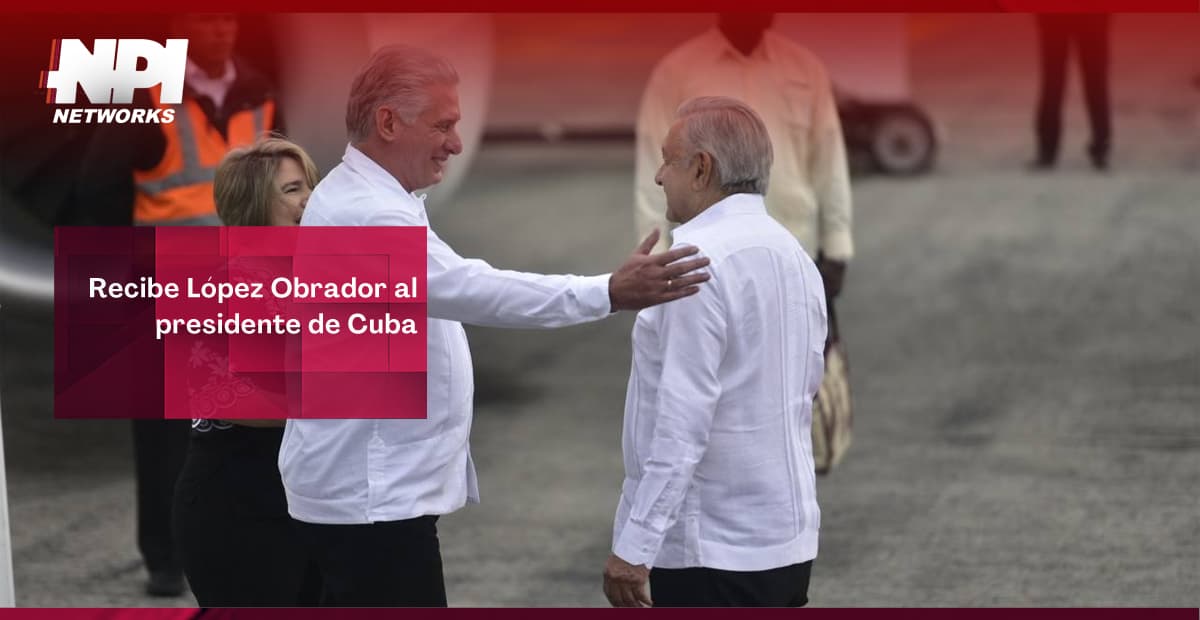
Claudia Sheinbaum says Mexico’s state oil company Pemex removed a planned January crude shipment to Cuba as an autonomous choice, pushing back on suggestions the halt was ordered by the United States. She described the decision as 'sovereign' and stressed that Pemex "makes its own decisions," denying that the action "was publicly being made at the direction of the United States."
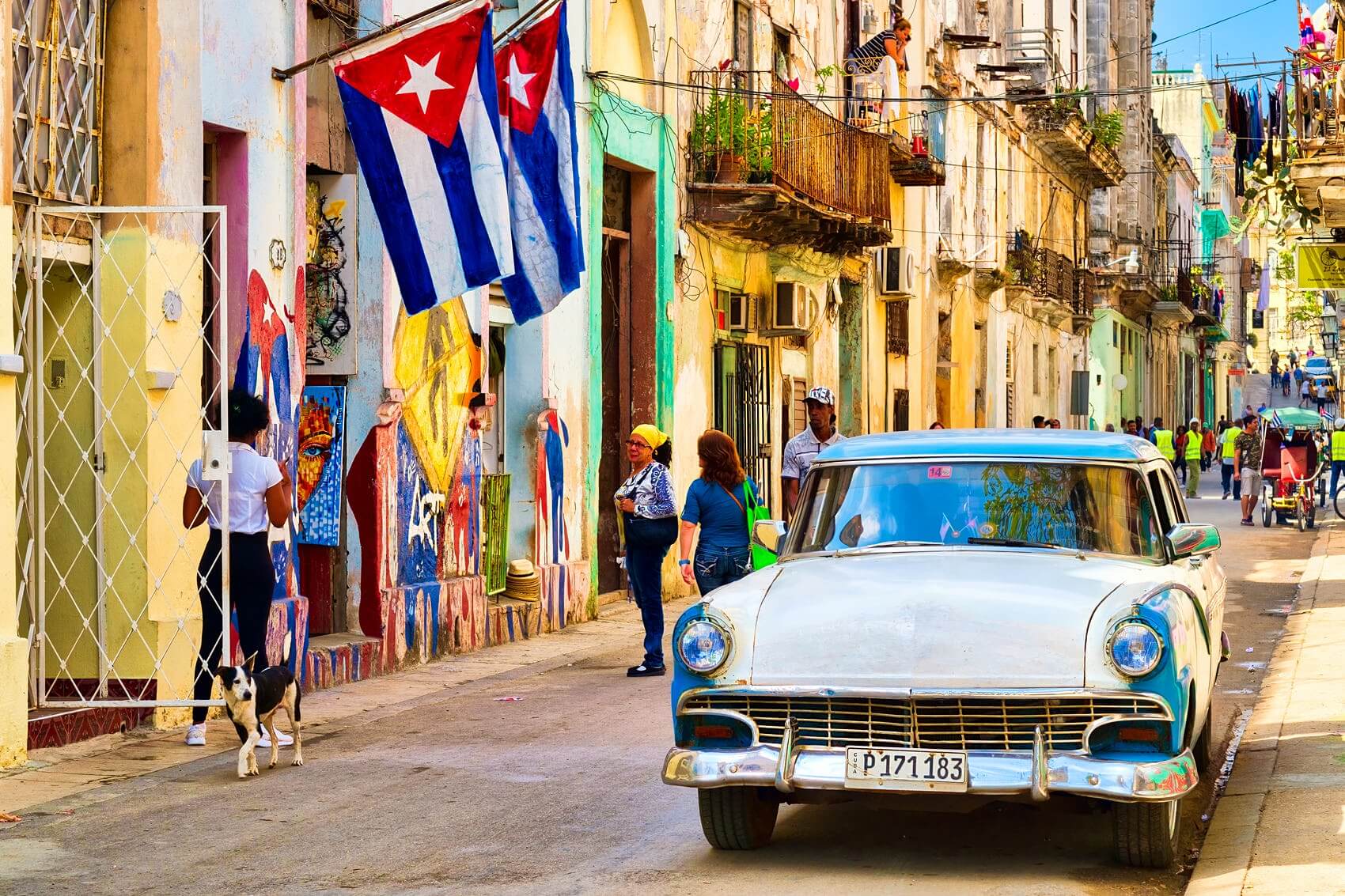
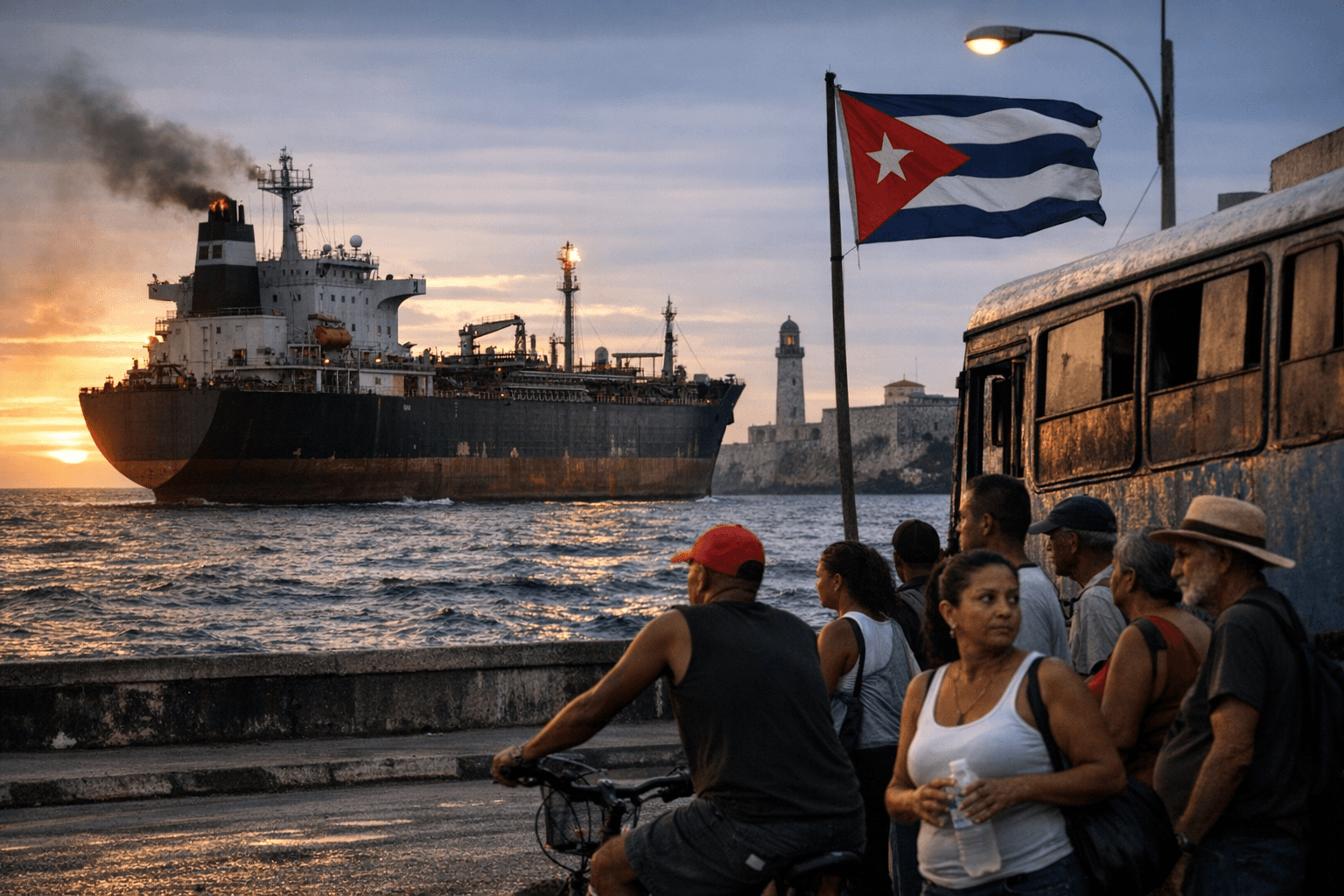
The removal of the shipment comes at a sensitive moment for Cuba, where worsening fuel shortages and recurring apagones have hit households, public transport and industrial activity. Fuel delivered from Venezuela has been disrupted after recent U.S. measures affecting Venezuelan supply chains, leaving Cuba with tighter inventories and longer lines at gas stations. Any interruption to alternative supplies, including shipments from regional partners, increases the risk of broader service disruptions for hospitals, factories and collective farms that rely on diesel.
Sheinbaum did not say whether the suspension of the shipment is temporary or a longer-term change. Her statement frames the decision as a balancing act between Mexico’s stated solidarity with Cuba and the Mexican government’s need to maintain stable economic and political ties with the United States. That balance is politically delicate at home: Sheinbaum must reassure left-wing supporters while avoiding diplomatic friction that could affect trade and investment.
For Cuban readers the immediate practical value is clear. Expect continuing instability in fuel distribution schedules and plan for longer wait times at gas stations and state-run grifos. Municipalities and transportation cooperatives may announce adjusted timetables for public transit and agricultural deliveries; producers reliant on diesel for irrigation and harvesting should prepare contingency plans. Households can reduce the risk of extended outages by conserving fuel, charging essential electronics when power is available, and checking local municipal notices for scheduled blackouts or emergency fuel distributions.
This development also matters for community organizers and local governments tracking energy security. Watch for updates from Petróleos de Cuba and municipal energy offices on incoming shipments, distribution priorities and any emergency measures. Diplomatic talks between Mexico, Cuba and other regional partners will shape whether shipments resume on a predictable timetable or remain under review.
What comes next is a two-track story: operational, in how fuel reaches generators, buses and hospitals across Cuba, and political, in how Mexico navigates relations with both Cuba and the United States. For residents, preparedness and attention to official local announcements will be the most practical response as the situation unfolds.
Know something we missed? Have a correction or additional information?
Submit a Tip