Shepherd job in Inner Mongolia draws thousands escaping city stress
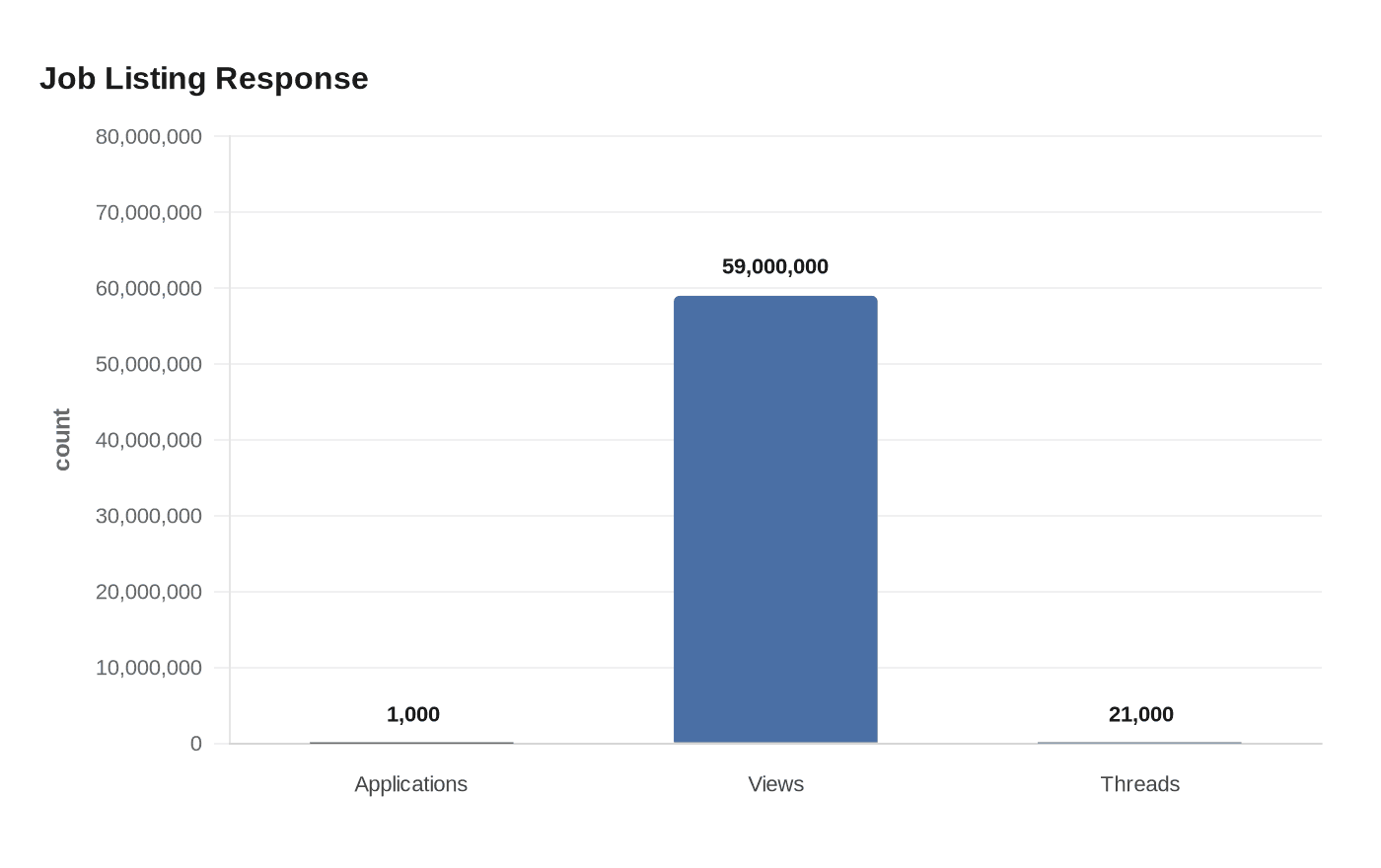
A shepherding ad in Inner Mongolia drew 59 million Weibo views and more than 700 applications for two jobs. Many applicants were office workers, graduates and factory hands worn down by city life.

A shepherding job in Inner Mongolia that offered 8,000 yuan a month, free food, accommodation and Wi-Fi quickly became a mirror of China’s labor-market stress. The listing, for two positions on a ranch near Xilinhot about 300 kilometers away, drew more than 700 applications and in some reports more than 1,000 within 48 hours.
The ad, posted in late April by ranch owner Zuo Xiaoyong, asked applicants to tend about 3,000 sheep across roughly 2,000 hectares of grassland near the Mongolia border. The pay was 16,000 yuan a month for a husband-and-wife team, an amount that stood out in a country where many young workers say the path from school to stable middle-class life has narrowed sharply.

The response was immediate and overwhelming. The post drew about 59 million views within hours on Weibo and generated around 21,000 discussion threads, turning a routine rural hiring notice into a national talking point. Zuo said about one-tenth of the applicants had just finished university. Others came from factories, office jobs and major cities including Shanghai and Chongqing.

What struck many observers was not the scenery, but the mix of people trying to leave it all behind. Applicants described debt, exhausting industrial shifts and workplace politics. Zuo said he had not expected the posting to go viral and added that ordinary people were having a hard time finding work. The job’s appeal lay less in sheep herding itself than in what it represented: a way out of urban pressure, commuting, hierarchy and the constant grind of office life.
That pressure has been building across China’s labor market. Headline unemployment has hovered just above 5%, but underemployment has been rising, private-sector incomes have lagged economic growth for much of the past decade and many workers complain about “996” culture, the punishing schedule of 9 a.m. to 9 p.m., six days a week. Against that backdrop, a remote ranch job with no commute and no office politics looked less like an oddity than a verdict on the shrinking appeal of the traditional success ladder.
This article was produced by Prism’s automated news system from verified source data, official records, and press releases, then run through automated quality and moderation checks before publishing. The system is built and supervised by the people who set the standards it runs under. Read our full AI policy.
Know something we missed? Have a correction or additional information?
Submit a Tip