Trump’s duties face fresh blow after Supreme Court ruling
After a Supreme Court setback, Trump’s team is leaning on forced-labor rules and narrower customs powers to keep pressure on Chinese supply chains.
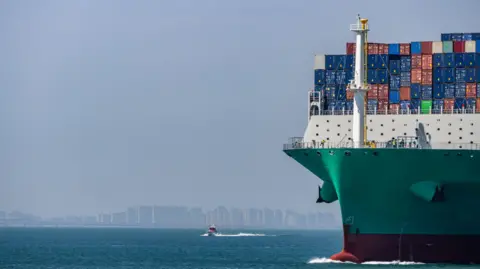
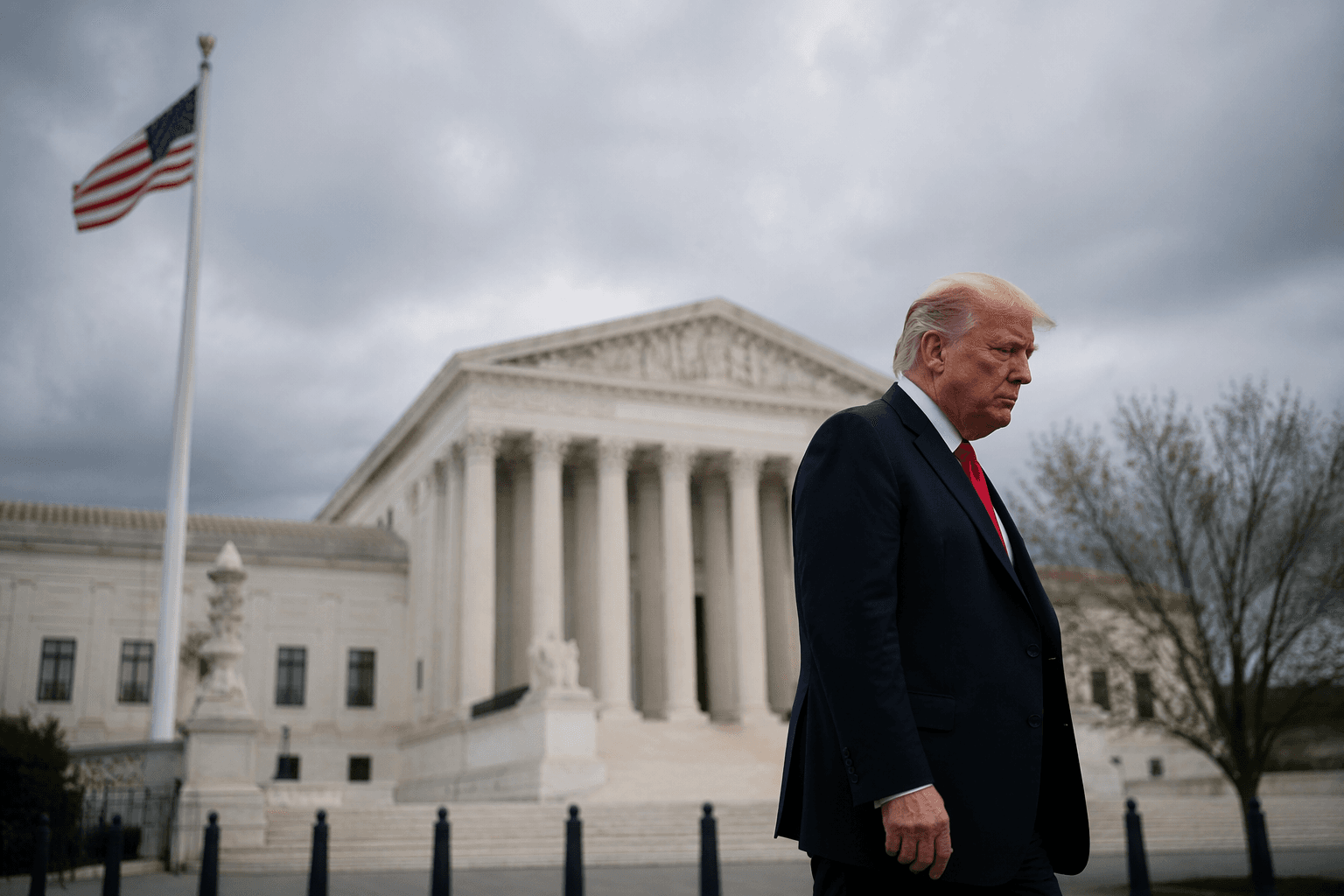
The Supreme Court’s decision in February knocked out much of Donald Trump’s earlier tariff playbook, forcing the administration to rebuild its strategy around narrower legal tools that can survive judicial scrutiny. The most important workaround now runs through forced-labor enforcement, which can block shipments at the border without relying on the broad duties that were struck down.
That shift matters because it changes both the target and the economics of trade policy. Instead of blanket tariffs, the administration is more likely to use customs holds, import bans and tighter scrutiny of supply chains tied to alleged forced labor. The focus would fall on goods and intermediate inputs that move through complex, opaque networks, especially products linked to China and to Xinjiang, where cotton, polysilicon and other materials have long been under U.S. scrutiny.
Industries that could feel the pressure include apparel, solar panels, batteries, electronics, seafood and agricultural imports that rely on traceable labor standards. Companies in those sectors would face higher compliance costs, slower customs clearance and greater pressure to document every stage of production. For retailers and manufacturers, that can mean delayed inventory, pricier sourcing and a faster push to shift orders toward suppliers in Mexico, Vietnam, India or domestic plants.
The legal logic is different from a standard tariff, but the market effect can be similar. A shipment blocked under forced-labor rules can raise costs just as surely as a duty, only with more uncertainty and less opportunity to plan around a fixed rate. That makes the policy attractive to trade hawks because it can hit specific supply chains hard without requiring Congress to approve a new tariff regime.
It also raises a central question about purpose. Forced-labor enforcement is plainly a human-rights tool, designed to keep goods made with coerced labor out of the U.S. market. But in practice it is also becoming a trade tool, one that can be used to disadvantage rival suppliers, reshape sourcing and reduce dependence on Chinese inputs. In that sense, the administration is using the language of labor rights to build a more durable commercial barrier.
The political appeal is obvious. The economic risk is just as clear. Narrower than the tariffs the court rejected, these measures could still ripple through the same supply chains, raising costs for importers while leaving consumers and manufacturers to absorb the disruption.
This article was produced by Prism’s automated news system from verified source data, official records, and press releases, then run through automated quality and moderation checks before publishing. The system is built and supervised by the people who set the standards it runs under. Read our full AI policy.
Know something we missed? Have a correction or additional information?
Submit a Tip