Shipping through Strait of Hormuz slows after Iran closure claim
Traffic through Hormuz fell sharply after Iran said it had closed the waterway again, even as 55 merchant ships and four Qatar LNG tankers kept moving.

A slowdown in the Strait of Hormuz can hit far beyond the Gulf within hours, and Sunday’s drop in traffic showed how quickly the world’s most sensitive energy lane can begin to jam. Iran said it had closed the waterway again, citing Israeli and U.S. violations of the interim peace deal, but the immediate question was operational: how many ships were still moving, how long delays might last and whether markets were looking at a brief scare or the start of a genuine energy shock.
Ship transits fell sharply on Sunday after the announcement. Even so, four Qatar-controlled liquefied natural gas tankers were heading into the strait on Monday, a sign that commercial traffic had not stopped. U.S. Central Command said safe passage through the waterway remained intact, and that 55 merchant ships crossed the strait on Saturday, moving more than 17 million barrels of oil to global markets.
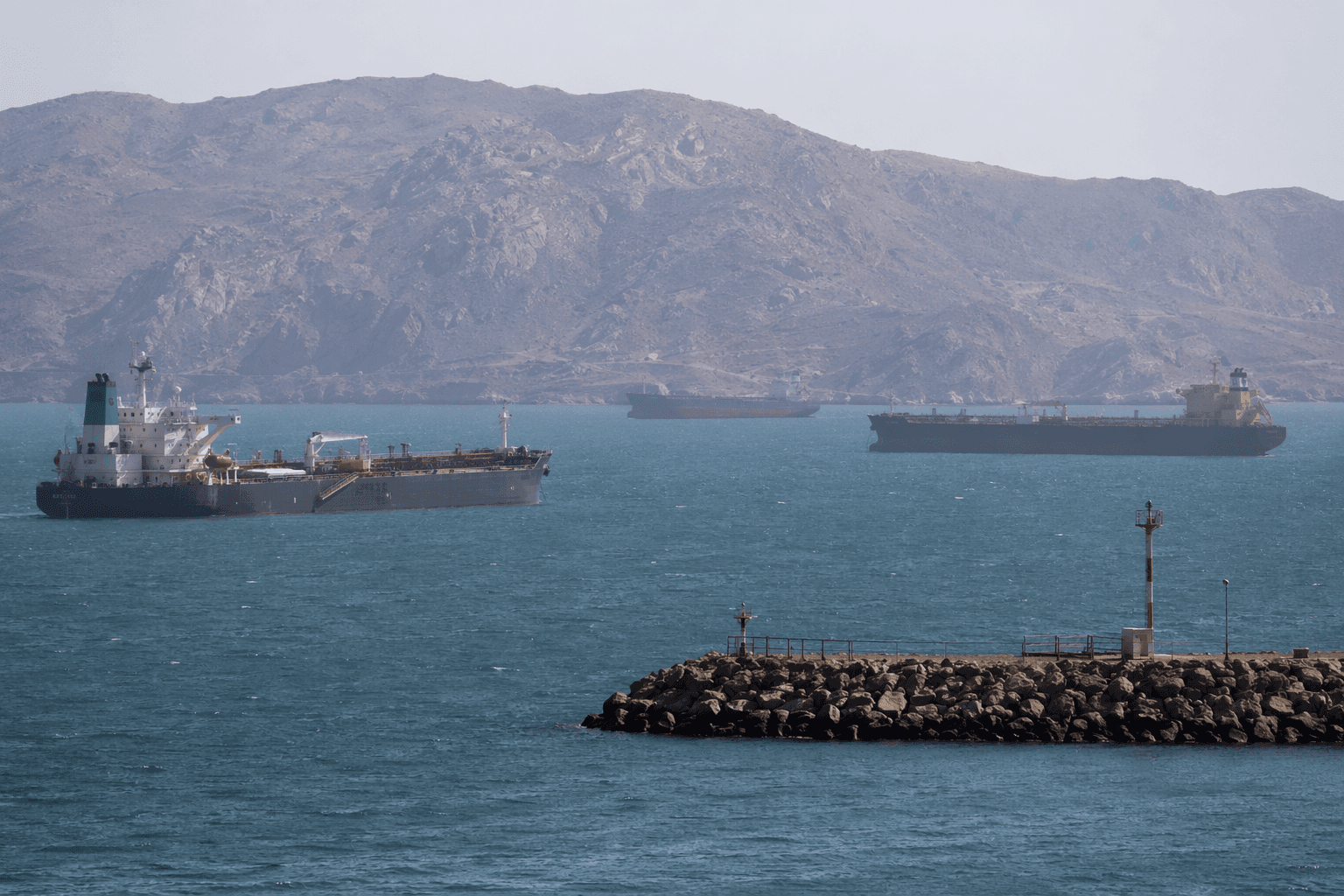
Capt. Tim Hawkins, a CENTCOM spokesman, said Iran does not control the Strait of Hormuz. That distinction matters because traders, shipowners and insurers are watching not just the declaration of closure, but whether crews begin to avoid the route, whether cargo schedules slip and whether insurers start pricing the passage as a higher-risk bet. The difference between a political claim and a real shutdown is measured in vessel counts, loading delays and the time it takes to restore normal flow.
Even when the waterway is technically reopened, industry executives and shipping experts say it can take weeks to clear the backlog of ships and security checks. The Strait of Hormuz remains one of the world’s most important energy chokepoints, and even partial disruption can raise insurance costs, delay cargoes and rattle oil markets that depend on uninterrupted passage.
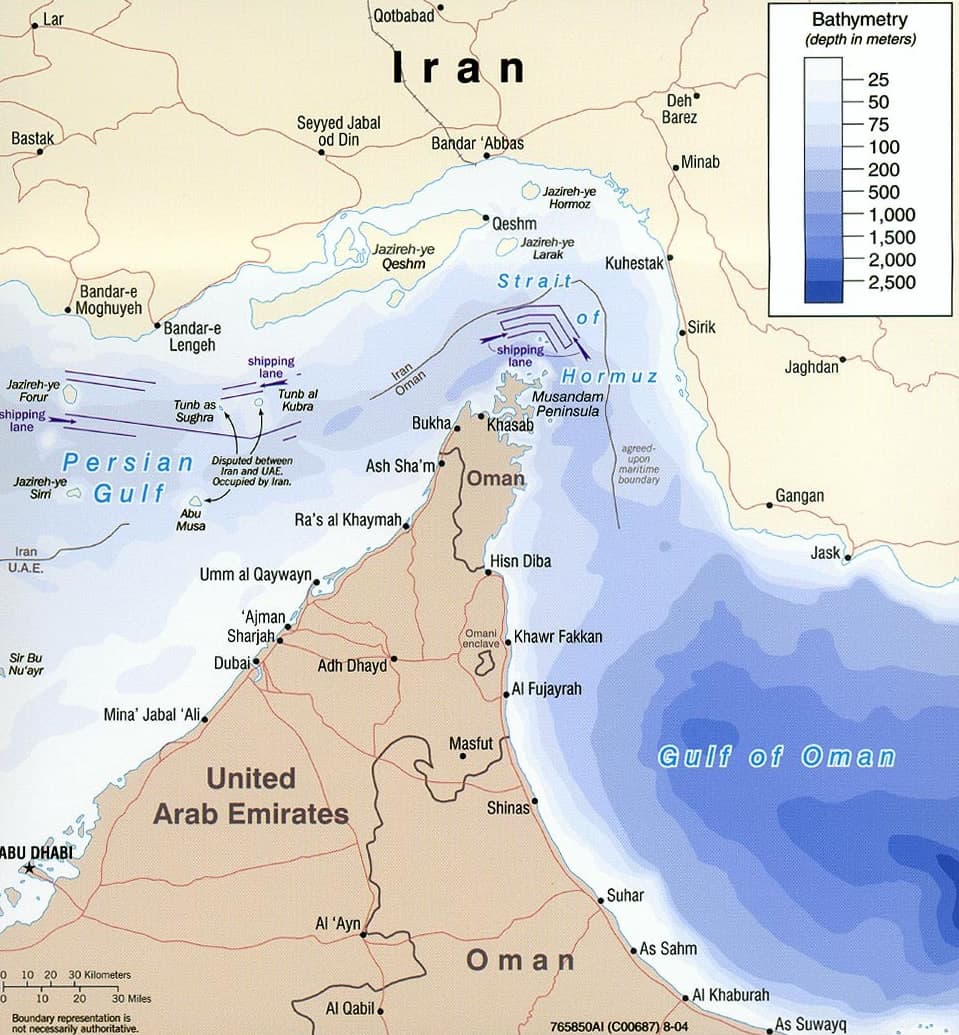
The fear is rooted in history. During the 1980s tanker war tied to the Iran-Iraq conflict, merchant vessels were attacked in the Persian Gulf and the Strait of Hormuz without the passage ever being fully sealed off, creating a precedent that still shapes market expectations today. The latest strain came as U.S. and Iranian officials held talks in Switzerland to preserve the fragile peace framework, leaving the region’s most consequential shipping lane caught between diplomacy and the daily reality of ships trying to get through.
This article was produced by Prism’s automated news system from verified source data, official records, and press releases, then run through automated quality and moderation checks before publishing. The system is built and supervised by the people who set the standards it runs under. Read our full AI policy.
Know something we missed? Have a correction or additional information?
Submit a Tip