Ships Go Dark in Strait of Hormuz, Raising Global Shipping Risks
A surge in vessels turning off their trackers in Hormuz is clouding a waterway that moves about 20 million barrels of oil a day and rattles global markets.

Ships are disappearing from view in the Strait of Hormuz just as the waterway’s strategic and economic value is again being tested. The narrow passage between Oman and Iran links the Persian Gulf with the Gulf of Oman and the Arabian Sea, and it carries about 20 million barrels of oil a day, roughly one-fifth of global petroleum liquids consumption.
That traffic depends on a system built for visibility. Under International Maritime Organization rules, AIS transponders are required equipment for most large international ships, giving other vessels and coastal authorities automatic position and identification data. But maritime guidance also recognizes an exception in dangerous waters: ships may switch AIS off when attack, piracy or armed robbery is feared. In Hormuz, that kind of darkness can do more than hide a ship from view. It can blur cargo trails, complicate sanctions enforcement, obscure smuggling routes and give insurers and counterparties less to price and police.
The latest disruption appears to have escalated sharply. Windward said dark vessel activity in the strait surged nearly 600% between April 19 and May 3, 2026, with satellite imagery showing likely commercial transits even as AIS-visible traffic fell to near zero. Industry reporting also described GPS jamming near Fujairah and Khor Fakkan that affected about 470 vessels in a 24-hour period, further degrading visibility across the region.
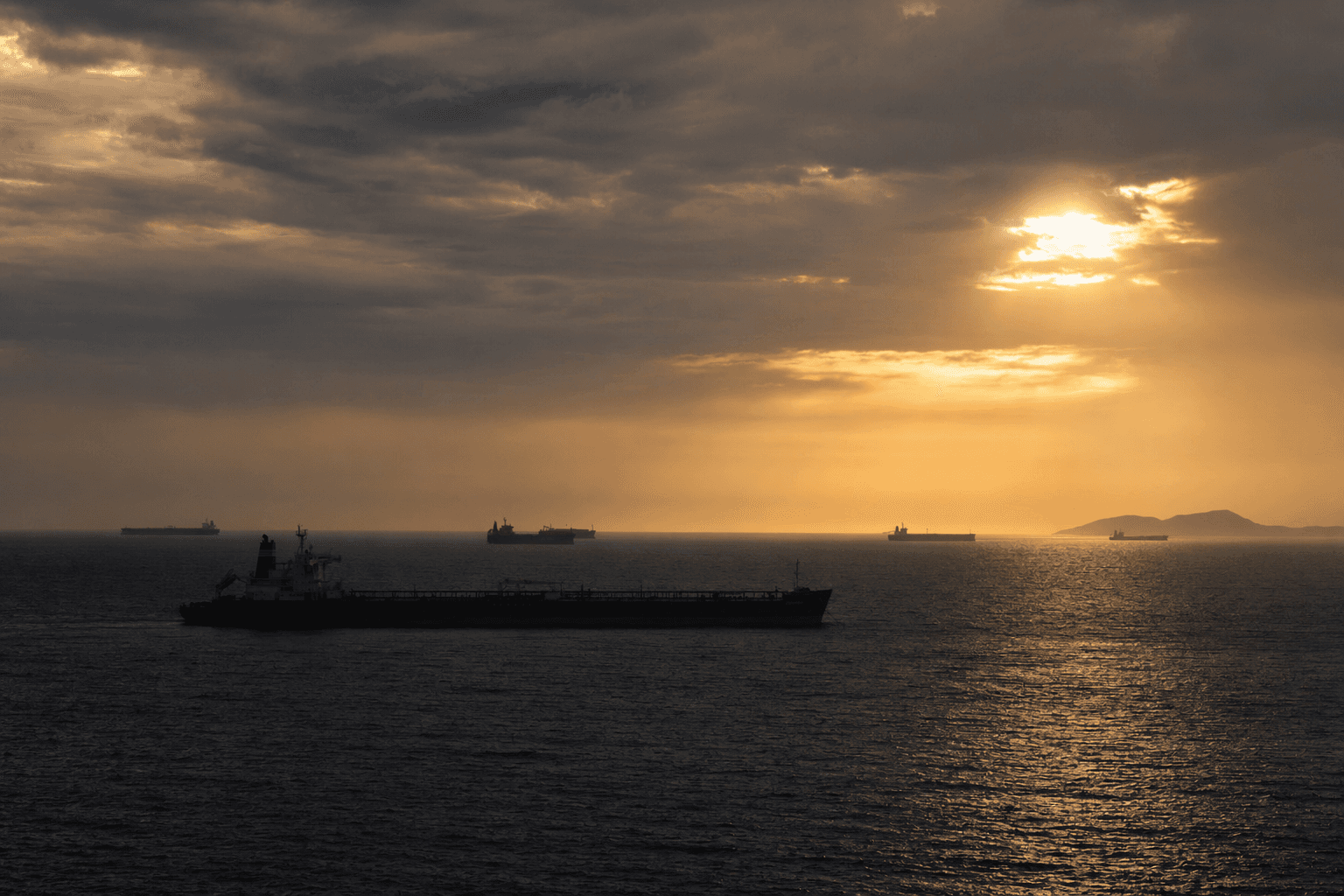
That opacity carries direct consequences for oil markets and supply chains far beyond the Gulf. The U.S. Energy Information Administration says there are few realistic alternatives if Hormuz is closed, which is why even partial disruption can push up freight rates, raise insurance costs and unsettle prices for refiners, shippers and consumers in the United States. Maersk and other shipping companies warned of delays and tightened crossings during the crisis, while traffic levels remained subdued even after U.S. calls to keep the corridor open.
Security officials have long treated the area as a flashpoint. Advisories have warned that vessels in and around the Strait of Hormuz face risks of being hailed, boarded, detained or seized by Iranian forces. The U.S. Maritime Administration and the Joint Maritime Information Center have kept the wider Arabian Gulf, Strait of Hormuz and Gulf of Oman under severe watch, and the United States Navy has been involved in escort and interception operations as tensions have risen.
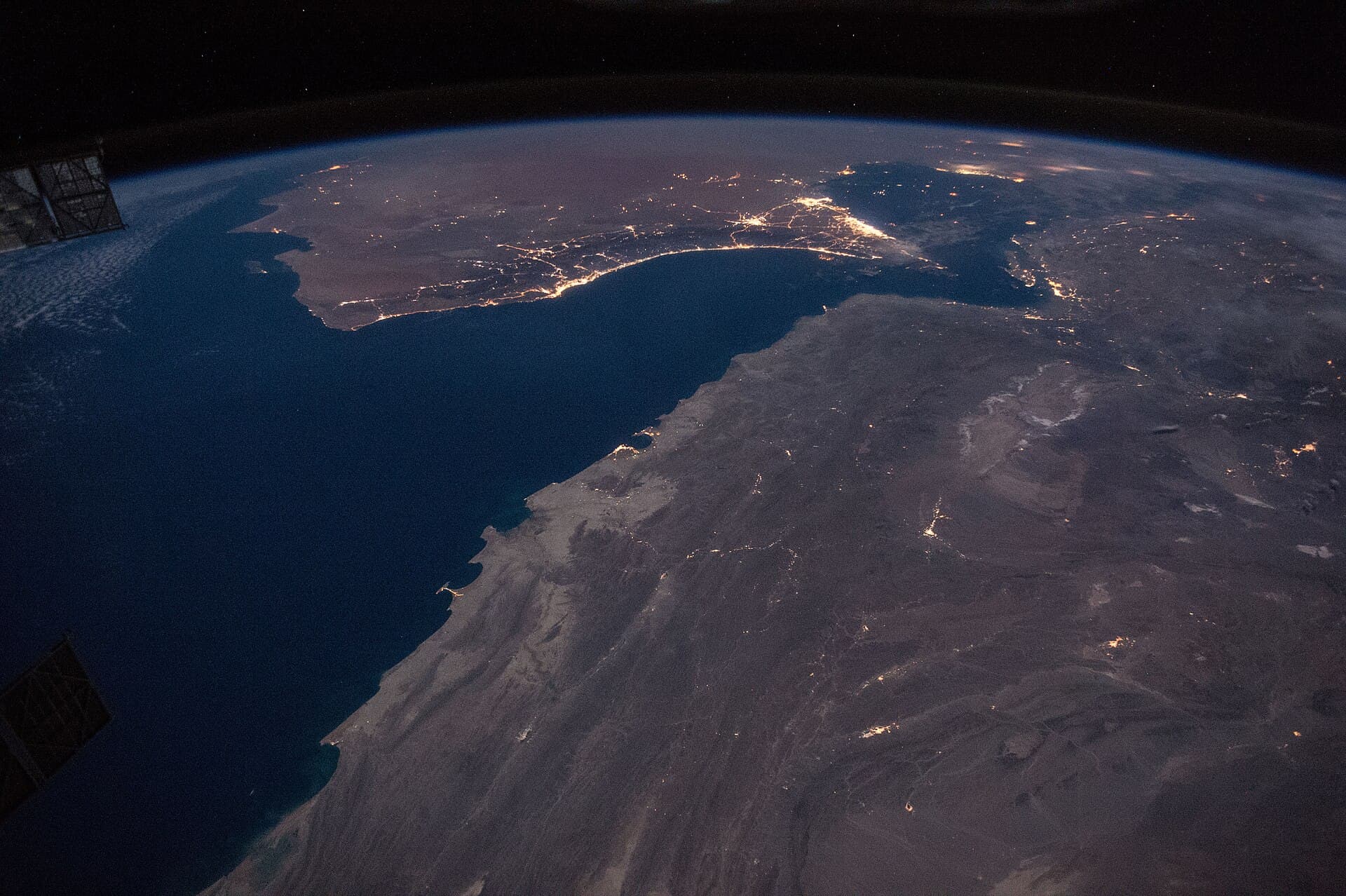
The result is a chokepoint where national security and household economics meet. When ships go dark in Hormuz, the risk is not only to mariners in the Gulf. It ripples through energy markets, insurance books and the global trade system that still depends on a corridor only a few miles wide.
Know something we missed? Have a correction or additional information?
Submit a Tip