Shoppers Abandon Polyester for Cotton, Wool and Linen Over Microplastics Fears
Shoppers are shifting from polyester to cotton, wool and linen as TikTok and Reddit fuel a “natural-fiber curious” movement worried about microplastics and PFAS.
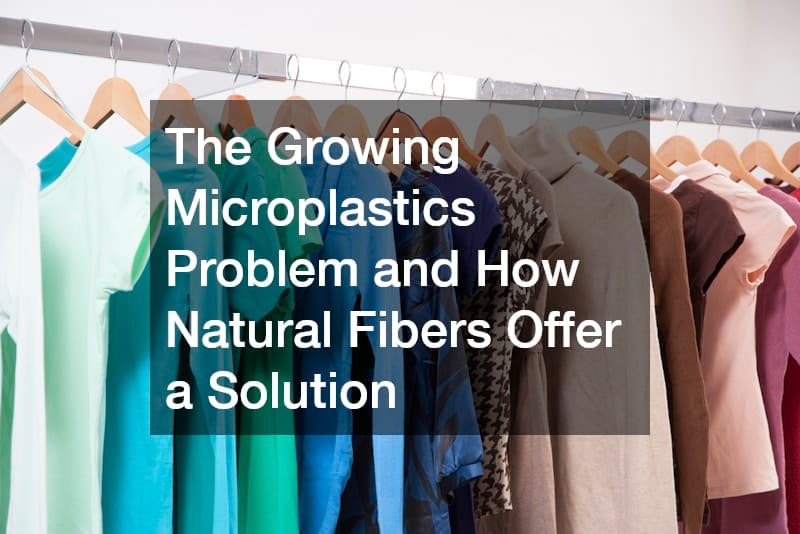
A new consumer shift is reshaping closets: social media trends on TikTok and Reddit have helped spark a “natural-fiber curious” movement with shoppers seeking cotton, wool, linen and silk to avoid microplastics and PFAS, New York Magazine reports.
The scale of the challenge is stark: synthetics account for 67 percent of global fiber production, with polyester comprising 57 percent of that total, while cotton represents 20 percent and other natural fibers make up 5 percent of fibers worldwide, the production figures show.
Awareness is growing but inconsistent. Cotton Incorporated’s 2024 Lifestyle Monitor found that 45 percent of consumers say they are aware of concerns about clothing microplastics; of those shoppers who are aware, 65 percent know it comes from apparel made of petroleum-based synthetic fibers like polyester during washing and wearing. Cotton Incorporated also reports that 64 percent of those familiar with microplastic pollution carry reusable tote bags, 63 percent use refillable water bottles, and only 38 percent purposely choose natural-fiber clothing; the organization even issued a Plastic-Free July challenge inviting swaps to natural fibers.
A separate, unnamed survey conducted in 2025 reveals more uneven knowledge: only one-third of consumers are “very aware” of microplastic pollution, 49 percent said they knew the term microplastics, and 52 percent knew that synthetic fibers contribute to microplastic pollution. That same survey found 59 percent knew polyester is a type of plastic but only 42 percent of those aware connected microplastics specifically to clothing; 63 percent identified cotton as a natural fiber and just 35 percent said they check labels before buying. Those 2025 survey results prompted the National Cotton Council to launch the Plant Not Plastic public awareness campaign to educate consumers on microplastics and natural fibers.
The science driving the trend is concrete. Tests reported by CottonToday show most cotton samples biodegraded by more than 60 percent in less than 20 days, some reached 85 percent over 100 days, and after 35 days in lake water environments 86 percent of cotton fibers had biodegraded. By contrast, cotton coverage notes it would take a polyester shirt between 20 and 200 years to decompose under the same conditions. Fashion Revolution’s analysis also highlights textiles as a dominant source of pollution, estimating that textiles account for 34.8 percent of global microplastic pollution and that around 700,000 microfibers can be released in every wash cycle, while only 24 percent of brands disclose how they minimize microfiber impacts.

Industry “solutions” are under scrutiny. Changing Markets Foundation’s Spinning Greenwash study, carried out with the Microplastic Research Group at Çukurova University, tested 51 garments from Adidas, H&M, Nike, Shein and Zara and found recycled polyester sheds more microfibres than virgin polyester; Nike’s recycled-polyester samples averaged 30,772 fibres per gram, about 16 percent more than Adidas, nearly four times more than H&M, and seven times more than Zara. The same report cites a McKinsey projection that by 2030 recycled polyester demand in the US will be three times higher than available supply, and Europe’s beverage industry warns that downcycling bottles into textiles undermines bottle-to-bottle recycling.
Voices on the front lines are blunt. Northeastern University’s Aron Stubbins told NPR, “Even the polyester clothes people keep can leach microplastics into the environment when they're washed… that flows away and has to be treated and hopefully gets taken out … but not always.” Case Western Reserve’s Ryan Marino noted the cultural bite of the trend, saying the rise of wellness influencers has made buying polyester feel like “a moral failing,” while also observing that polyester is often what people can afford. Designer Coutts of Pas Une Marque framed a brand response: “By avoiding synthetic materials wherever possible, we aim to reduce the release of microplastics into water systems, contributing to a cleaner and healthier environment.”
Choices carry tradeoffs. NPR’s reporting puts cotton’s water footprint in view: about 700 gallons of water to get one cotton T-shirt from the farm to the store. Practical shopping advice in industry guidance points toward organic cotton options from brands such as Patagonia and The North Face, and recommends checking sustainable directories like Good On You, Project Cece and The Good Trade while buying fewer, better-made classics. With only a minority of brands disclosing microfiber mitigation and studies like Spinning Greenwash challenging recycled polyester claims, the market shift toward natural fibers is likely to intensify pressure on brands and policymakers to disclose and reduce microfiber pollution in the coming years.
Know something we missed? Have a correction or additional information?
Submit a Tip