Shot-Down US Colonel Rescued After 48 Hours Evading Iranian Forces
A seriously wounded US Colonel survived 48 hours in Iranian mountains, scaling to 7,000 feet with just a pistol as Iran's IRGC hunted him in force.
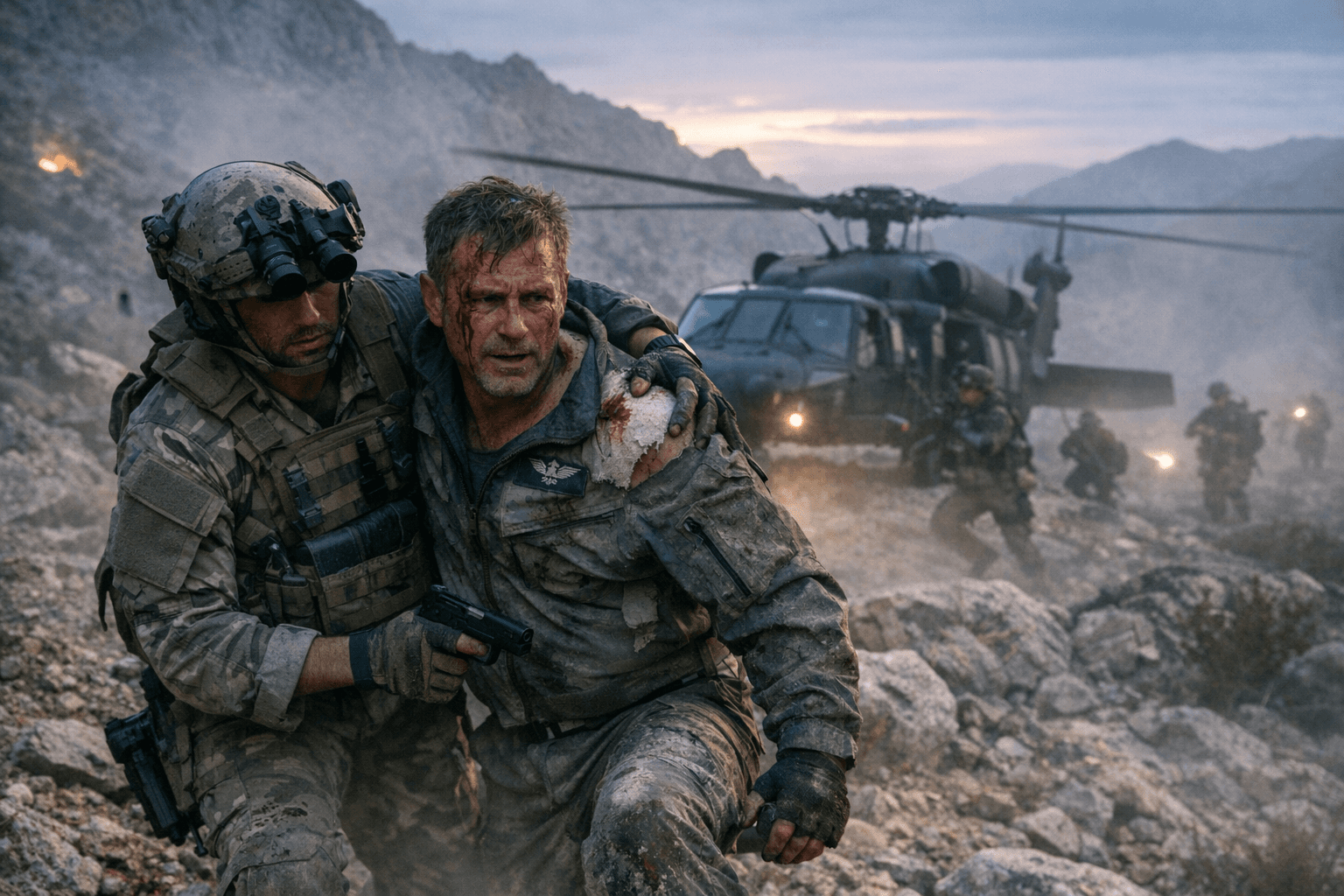
The rescue of a seriously wounded US Air Force Colonel from deep inside the mountains of southwestern Iran unfolded over 48 hours as one of the most complex search-and-rescue operations in recent American military history, combining CIA deception, hundreds of special operations personnel, and a parallel Iranian manhunt that nearly closed in on him.
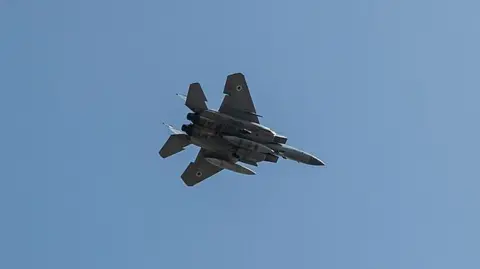
The F-15E Strike Eagle carrying the Colonel and his pilot was shot down on Friday, April 3, Day 36 of Operation Epic Fury, the US-Israel military campaign against Iran. The aircraft, believed to be from the 48th Fighter Wing at RAF Lakenheath in Suffolk, UK, went down over Kohgiluyeh and Boyer-Ahmad province in southwestern Iran. Iran's military claimed its new advanced air defence system downed the jet; it was the first US aircraft lost to enemy fire since an A-10 Thunderbolt II was struck by an Iraqi surface-to-air missile over Baghdad on April 8, 2003.
The pilot was recovered within hours of the crash. The Colonel was not. Armed with a pistol, a communication device, and a tracking beacon, he applied mandatory SERE (Survival, Evasion, Resistance, and Escape) training to move through the rugged terrain, at one point scaling to a ridgeline 7,000 feet above sea level. Iran's Islamic Revolutionary Guard Corps cordoned off the surrounding mountains and mobilized in significant numbers. Iranian state television told citizens via on-screen crawl to "shoot them if you see them," a regional governor offered a bounty for the crew, and nomadic armed tribesmen scoured the mountains, with BBC-verified footage showing some firing rifles at US helicopters.
The CIA's intervention proved decisive. The agency launched a deception campaign, spreading false information inside Iran that both crew members had already been recovered and were being moved on the ground for exfiltration. While Iranian forces were confused, the CIA located the Colonel hiding in a mountain crevice and passed his exact coordinates to the Pentagon and the White House. Trump ordered the rescue mission immediately.
The operation involved hundreds of American military and intelligence personnel backed by dozens of aircraft that dropped bombs to clear the area. Three rescue planes flew from Iran to Kuwait in sequence. US forces spent seven hours over Iranian airspace before the mission concluded just before midnight. Trump described the final extraction as carried out "in broad daylight." Just after midnight, the president posted "WE GOT HIM!" on Truth Social, later adding: "We have rescued the seriously wounded, and really brave, F-15 Crew Member/Officer, from deep inside the mountains of Iran."
The mission carried significant costs. An A-10 Warthog was struck by Iranian fire near the Strait of Hormuz while providing covering fire; its pilot ejected and was recovered. Two Black Hawk helicopters were hit during the initial rescue attempt on Friday. Two US special operations aircraft, later geolocated approximately 50 kilometers from Isfahan, were deliberately destroyed on the ground by US forces to prevent capture. Iran's IRGC claimed to have destroyed two C-130s and two Black Hawks; the US disputed that account.
Israeli Prime Minister Benjamin Netanyahu praised the mission: "All Israelis rejoice in the incredible rescue of a brave American pilot by America's dauntless warriors," invoking "the sacred principle: no one is left behind." Israel had halted planned strikes inside Iran during the operation and shared intelligence to help locate the airman. Professor Amin Saikal, a Middle East expert, put the stakes plainly: "It was a major test for the American military because they really don't want to leave any of their servicemen behind enemy lines."
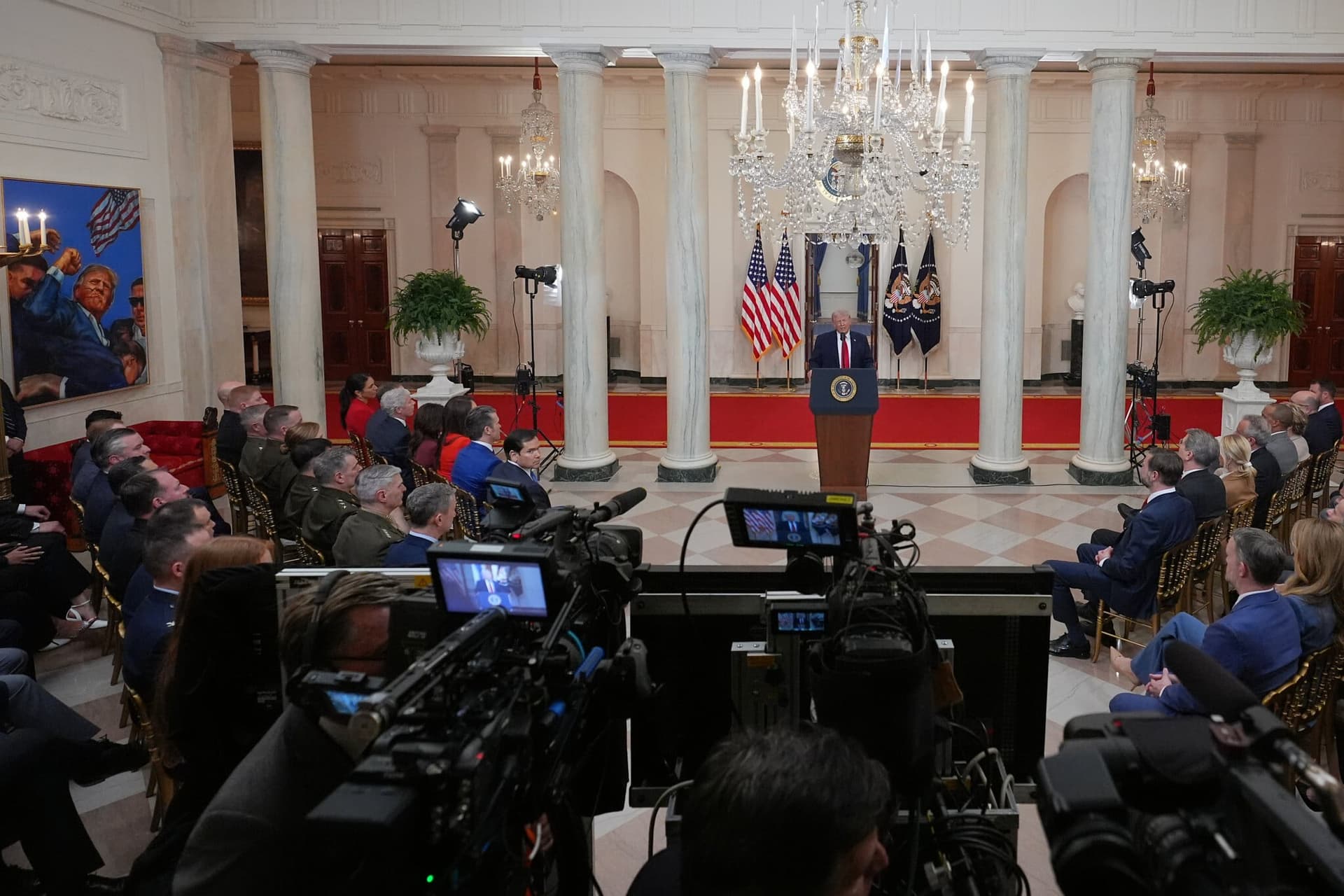
Had the Colonel been captured, analysts noted, it could have seriously damaged the Trump administration's war narrative, with Operation Epic Fury now having cost 13 American lives and 365 wounded in roughly six weeks of fighting. Trump scheduled a White House press conference for Monday, April 7, at 1 p.m. to provide additional details. The rescue closes an agonizing 48-hour chapter but leaves a harder question unresolved: how Iran's air defence system downed a frontline US fighter for the second time in six weeks, and what that capability signals about a conflict still far from its conclusion.
Sources:
Know something we missed? Have a correction or additional information?
Submit a Tip