Shutdown-hit PEPFAR saw testing plunge, treatment held steady in 2025
PEPFAR kept 20.6 million people on treatment in 2025, but testing may have dropped by more than 15 million after aid freezes and shutdowns.
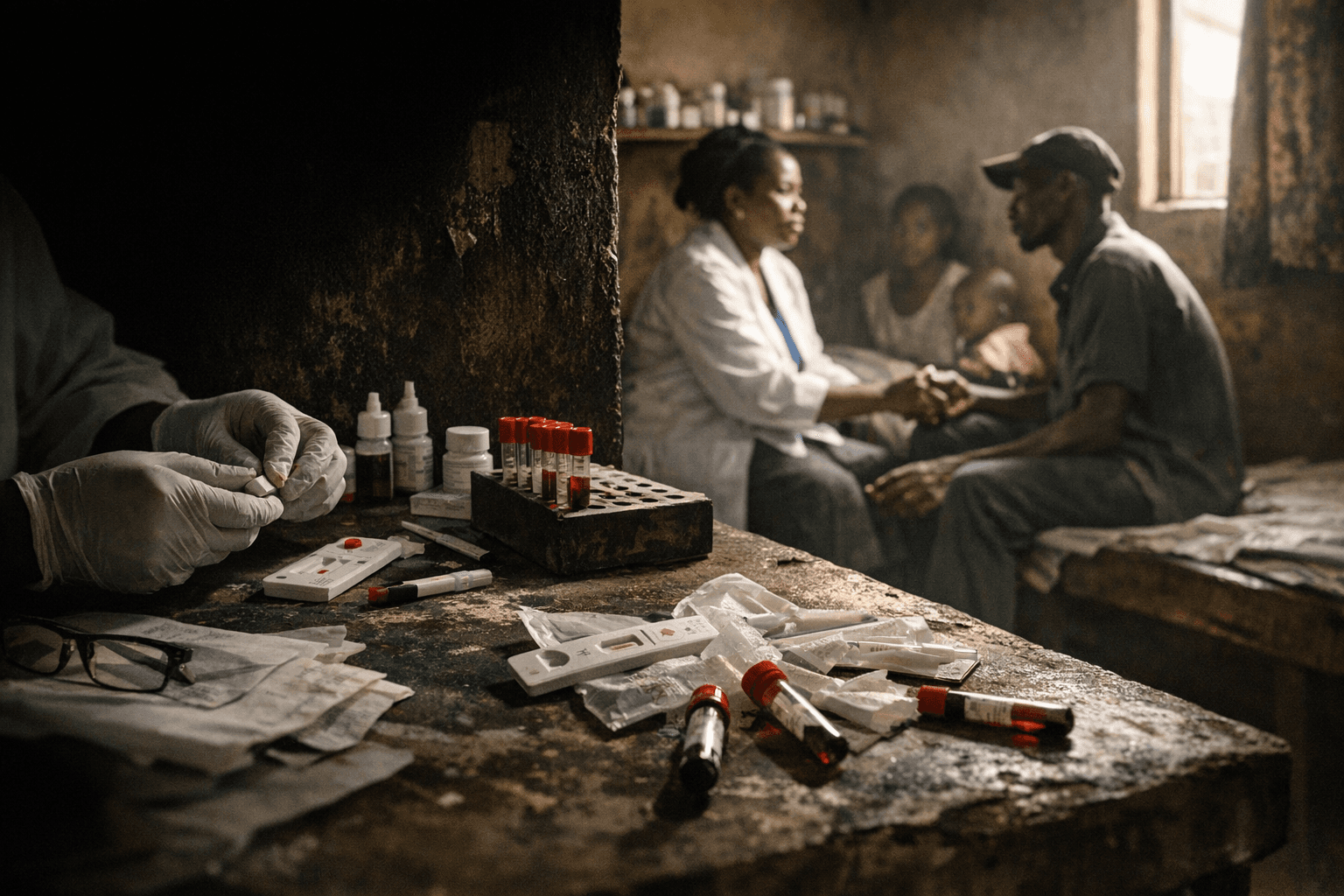
The sharpest damage from the Trump administration’s foreign-aid upheaval may be in what disappeared from the pipeline before it could become treatment: HIV tests. An internal State Department memo sent to Secretary of State Marco Rubio says PEPFAR kept antiretroviral treatment steady at 20.6 million people in fiscal 2025, even as overall spending fell by roughly 30%. But the memo did not include testing and counseling totals, and global health experts estimate those services may have fallen by more than 15 million people.
That gap matters because HIV testing is the entry point to care. In fiscal 2024, PEPFAR provided HIV testing services to 83.8 million people and supported antiretroviral treatment for 20.6 million people living with HIV across more than 50 countries. The new numbers suggest the program held the line on treatment while the first step in the care chain buckled, leaving millions fewer chances to diagnose infection, start medication and prevent transmission.
PEPFAR has been one of the most consequential U.S. global health programs since Congress first authorized it in 2003. U.S. government and policy sources say it has saved about 26 million lives and enabled 7.8 million babies to be born HIV-free. That record helps explain why the recent disruption has drawn such intense scrutiny: when a program this large stumbles, the consequences do not stay on paper. They show up in missed diagnoses, delayed treatment and a higher risk of preventable deaths.
The policy chain behind the disruption began on the first day of Donald Trump’s second term, when the administration launched a broad foreign-aid review that included a 90-day freeze and stop-work order. KFF says that process helped trigger USAID’s dissolution, award cancellations and major disruptions to global health programs. The fiscal 2025 continuing resolution kept bilateral PEPFAR funding at $4.85 billion, but the administration’s fiscal 2026 budget request fell to $2.9 billion, down $1.9 billion.
The memo also showed some shifting priorities inside the program. Pregnant and breastfeeding mothers starting PrEP through PEPFAR rose from 43,000 in 2024 to 103,000 in 2025. Treatment for 3 million people was being managed by national governments as PEPFAR pushed more responsibility to countries themselves.
Outside analysts say the harm may be even wider. The Center for Global Development estimated that about 65% of USAID PEPFAR awards were terminated, including support for 2.3 million people on lifesaving treatment, nearly one-third of viral-load testing services and more than one-third of new PrEP users. UNAIDS has warned that similar funding cuts across 55 PEPFAR-supported countries could drive higher infections and deaths if service interruptions continue. The program still exists, but the testing collapse has already shown how quickly years of progress can be put at risk.
This article was produced by Prism’s automated news system from verified source data, official records, and press releases, then run through automated quality and moderation checks before publishing. The system is built and supervised by the people who set the standards it runs under. Read our full AI policy.
Did this article answer your question?