UK study finds maternal RSV vaccine protects newborns from chest infections
Maternal RSV vaccination cut newborn hospital admissions by 81.3% when given at least two weeks before birth, with the strongest protection for preterm babies.
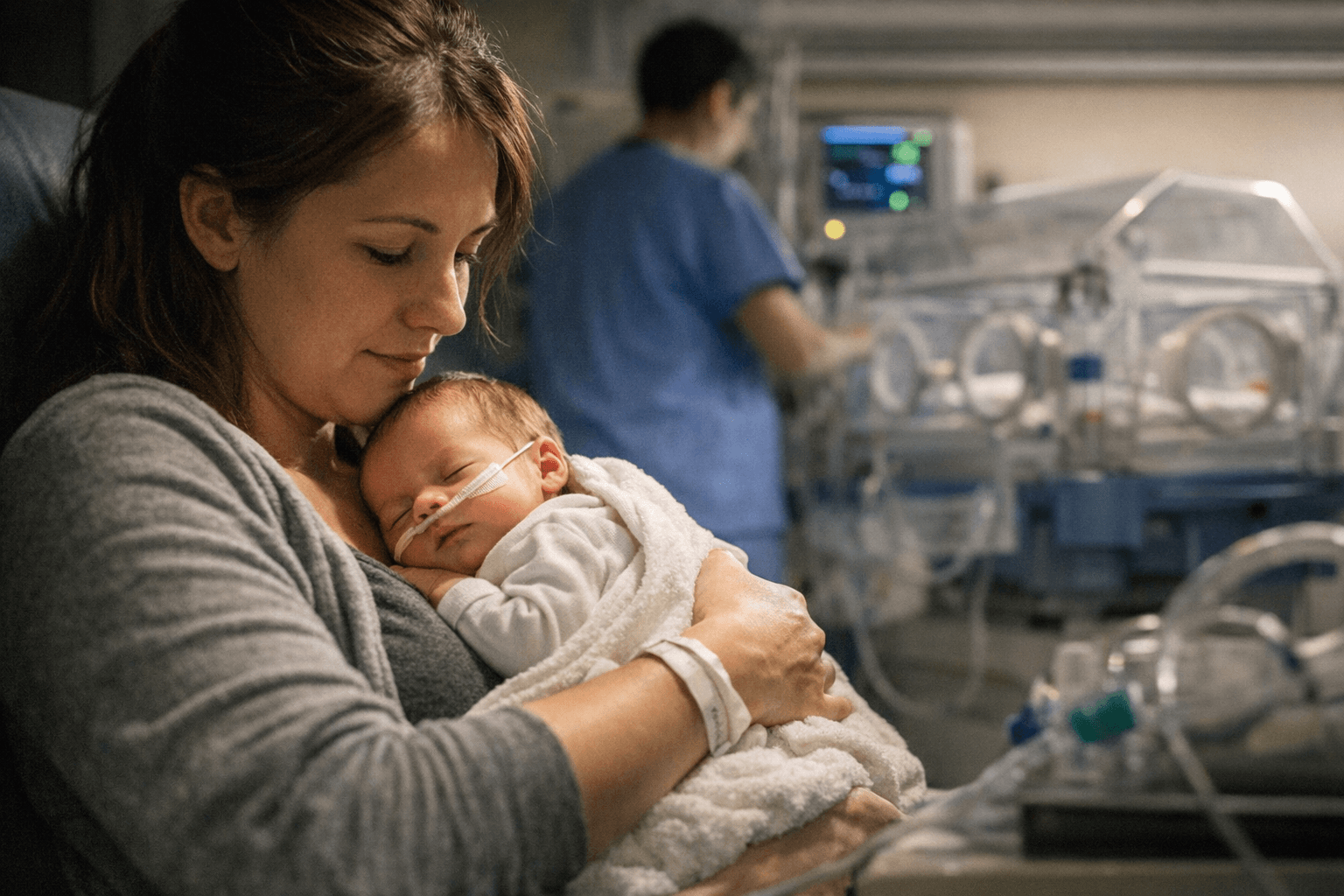
A maternal RSV vaccine has delivered the kind of result parents and pediatric wards can feel immediately: babies were far less likely to end up in hospital with a chest infection in their first fragile weeks of life. In England, the shot gave 81.3% protection when it was given at least two weeks before birth, and babies born at least four weeks after their mother was vaccinated had nearly 85% protection.
The new analysis from the UK Health Security Agency followed nearly 300,000 babies born between September 2024 and March 2025, covering about 90% of births in England during that period. More than 4,500 hospitalisations were recorded in the cohort, and the vast majority were among infants whose mothers had not been vaccinated. The findings were presented at the European Society of Clinical Microbiology and Infectious Diseases global conference in Munich on 18 April 2026.
The programme, introduced in England on 1 September 2024, is offered from 28 weeks of pregnancy. The vaccine works by prompting the mother to make antibodies that pass to the baby before birth, giving protection during the months when newborns are most vulnerable to RSV, a common virus that can cause bronchiolitis and pneumonia and is one of the leading causes of infant hospitalisation in the UK and around the world.
Matt Wilson, the UKHSA epidemiologist who led the study, said the findings confirmed that maternal RSV vaccination is highly protective, especially for preterm infants, and that giving the vaccine early in the third trimester, as recommended by the World Health Organization, could protect most preterm babies. The timing mattered sharply in the data. Even vaccination later in pregnancy still helped, with shots given as little as 10 to 13 days before birth reducing hospital admissions by 50%.
The new English results add to a growing body of UK evidence. A National Institute for Health and Care Research-funded study last year reported a 72% reduction in RSV hospitalisations among babies whose mothers were vaccinated, with antibodies protecting infants through the first six months after birth. In Scotland, Public Health Scotland reported that infants under three months old whose mothers received the vaccine were around 80% less likely to be admitted to hospital with RSV, and said 228 fewer babies were admitted during peak season. A University of Oxford-led study later found an 82.9% lower risk of RSV-related hospitalisation when vaccination happened at least 14 days before delivery, with 89% protection for preterm infants and an estimated 219 hospitalisations prevented.
The public health message is now clear, but uptake still trails the science. Earlier UK evidence found only about half of expectant mothers in England and Scotland were receiving the vaccine at the time, leaving a preventable gap between a strong policy tool and the infants who could benefit most.
This article was produced by Prism’s automated news system from verified source data, official records, and press releases, then run through automated quality and moderation checks before publishing. The system is built and supervised by the people who set the standards it runs under. Read our full AI policy.
Did this article answer your question?