Singapore, New Zealand sign supply chain pact to keep critical goods moving
Singapore and New Zealand signed a binding pact to keep food, fuel and medicine moving during crises, with one-third of New Zealand’s fuel refined in Singapore.
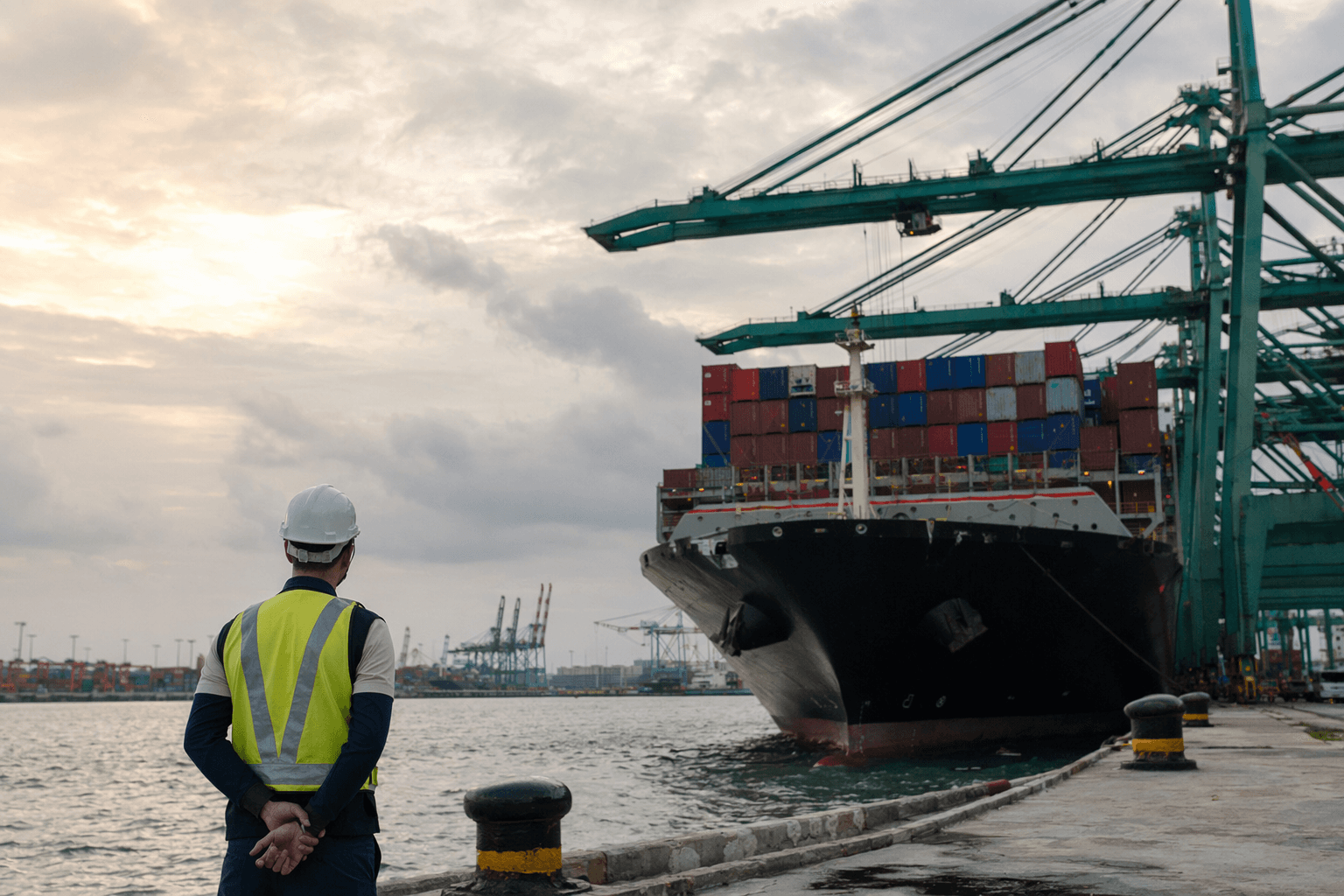
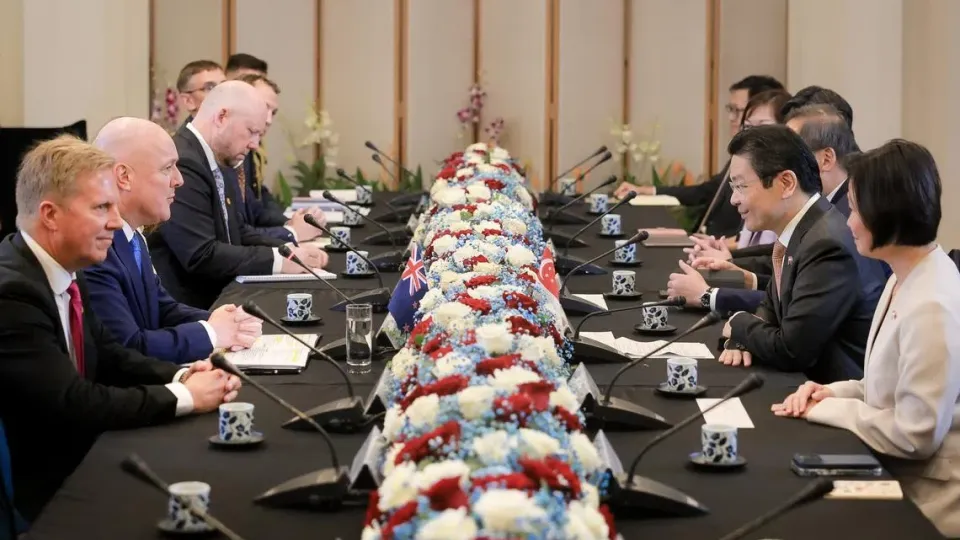
Singapore and New Zealand signed a legally binding supply-chain pact on Monday to keep essential goods moving when crises hit, a step aimed at protecting food, fuel, medicines and industrial inputs from disruption. The agreement is designed to stop either government from imposing unnecessary export restrictions on an agreed list of critical products during an emergency, making it one of the clearest attempts yet to turn trade policy into a resilience tool.
The pact, formally called the Agreement on Trade in Essential Supplies, covers food, fuel, healthcare items, medical equipment, chemical products and construction materials. New Zealand’s Ministry of Foreign Affairs and Trade said the deal builds on existing frameworks rather than replacing them, and that it was crafted to avoid undercutting normal commercial arrangements. Officials on both sides have framed it as a practical safeguard for when shipping lanes, energy routes or border rules come under strain.
The timing sharpened its relevance. Christopher Luxon’s official visit to Singapore ran from May 3 to May 5, and the signing took place during that trip, alongside the inaugural Singapore-New Zealand Annual Leaders’ Meeting. Luxon also met Lawrence Wong and Tharman Shanmugaratnam, while his itinerary included Jurong Island, Changi Naval Base and Gardens by the Bay, underscoring the broader strategic tone of the visit. Tan See Leng and Todd McClay signed the agreement for Singapore and New Zealand respectively.
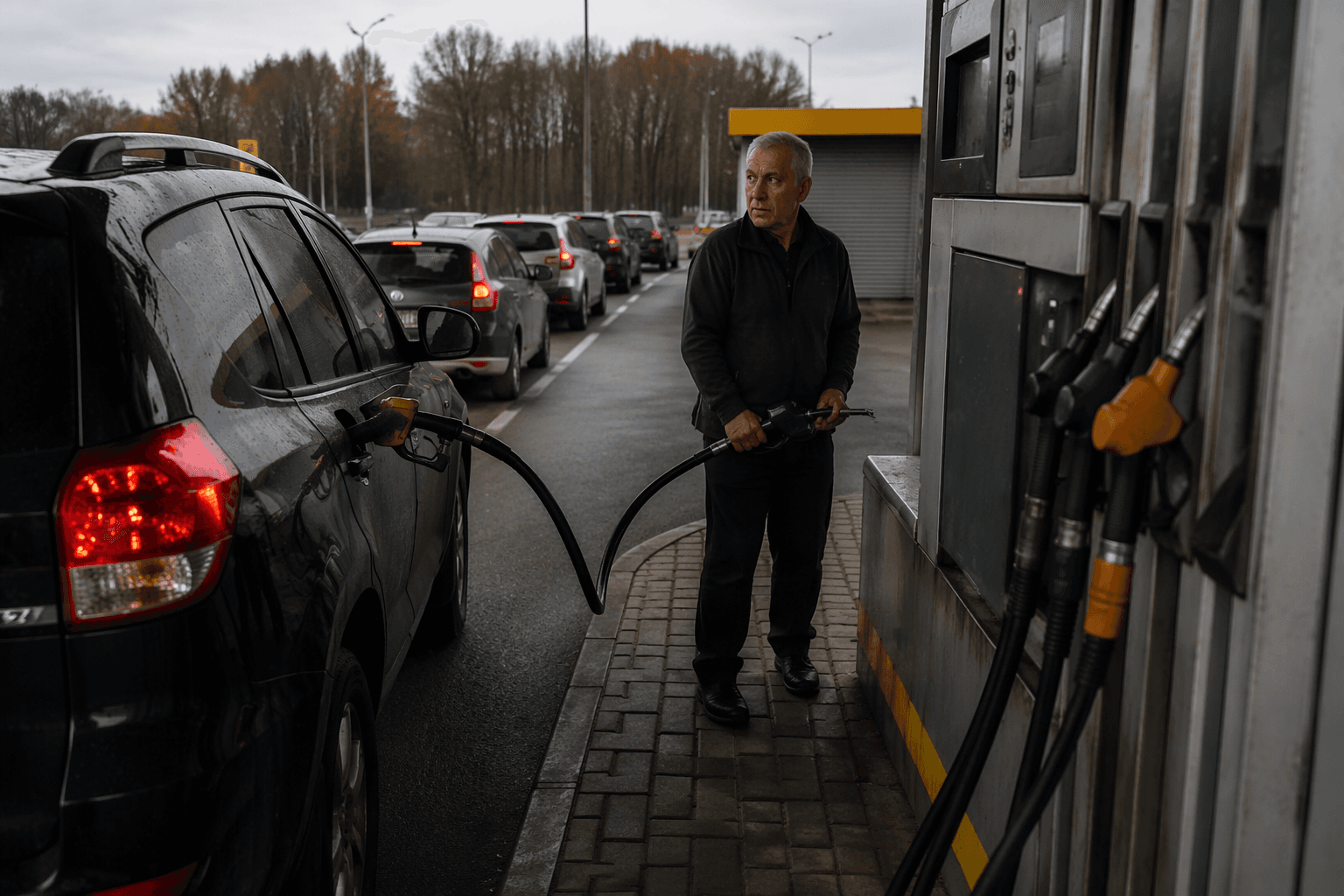
The fuel link is especially significant. Reuters reported that about one-third of New Zealand’s fuel is refined in Singapore, a reminder that supply security is not an abstract policy debate but a question of whether motorists, airlines, freight operators and hospitals can keep operating when global shocks ripple through markets. In a region where war in the Middle East has already disrupted energy supplies, the pact gives both governments a way to keep critical flows open without resorting to full-scale economic decoupling.
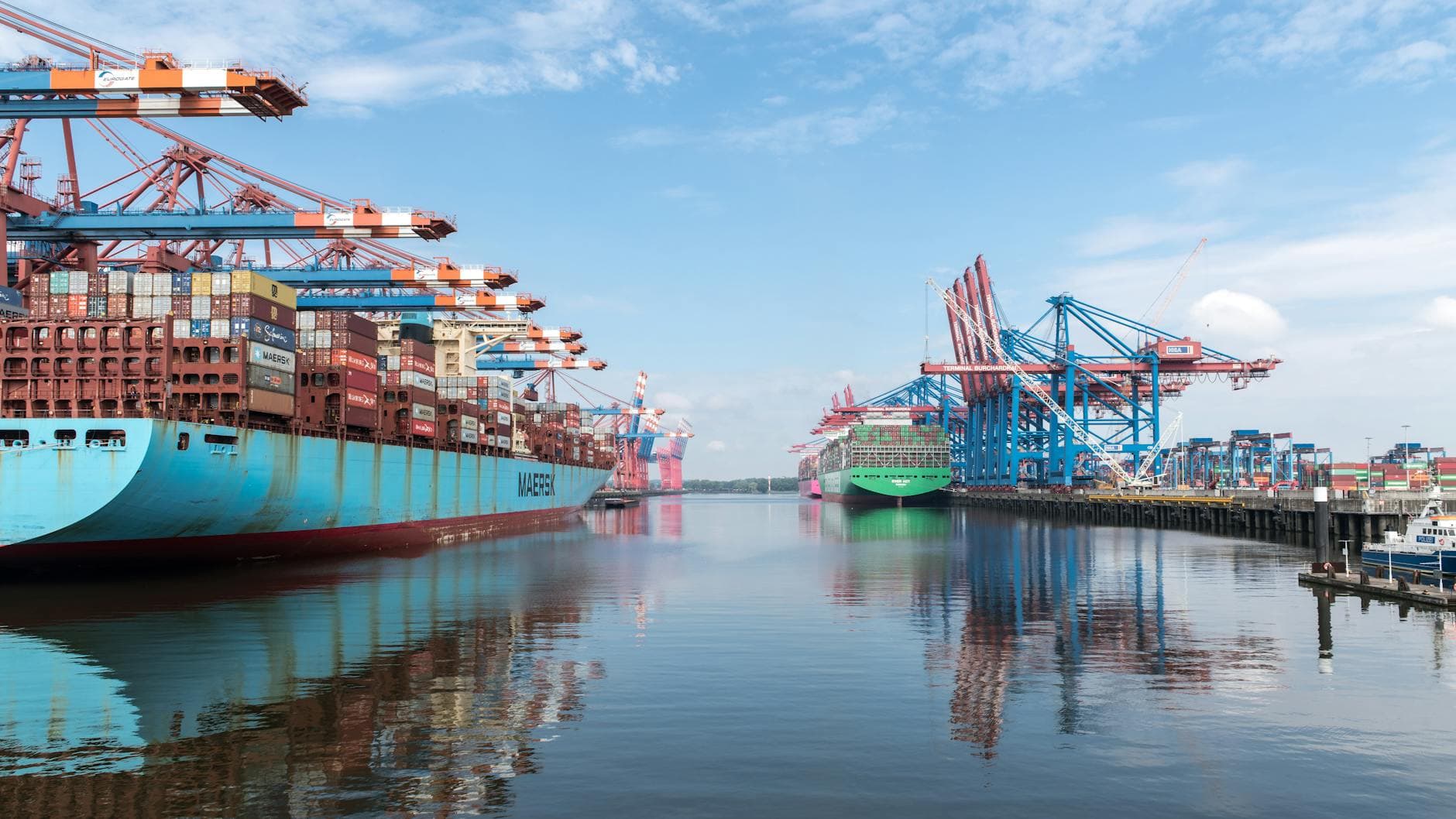
The deal also points to a wider policy shift. Lawrence Wong said he would welcome other countries joining the new standard, and both governments have signaled openness to others emulating it. Several outlets described it as the world’s first legally binding bilateral agreement of its kind, a label that matters because it suggests allies are now looking for middle ground between open trade and strategic self-protection. For countries trying to reduce supply-chain breakdowns without cutting ties with China or other major partners, Singapore and New Zealand are testing whether resilience can be written into trade rules before the next shock arrives.
This article was produced by Prism’s automated news system from verified source data, official records, and press releases, then run through automated quality and moderation checks before publishing. The system is built and supervised by the people who set the standards it runs under. Read our full AI policy.
Did this article answer your question?