Cape Town cyclists ride to bridge apartheid’s lingering divides
A ride through Cape Town exposed a trash-filled canal and patchy grass, mapping how apartheid’s geography still shapes who can move, work and breathe easily.
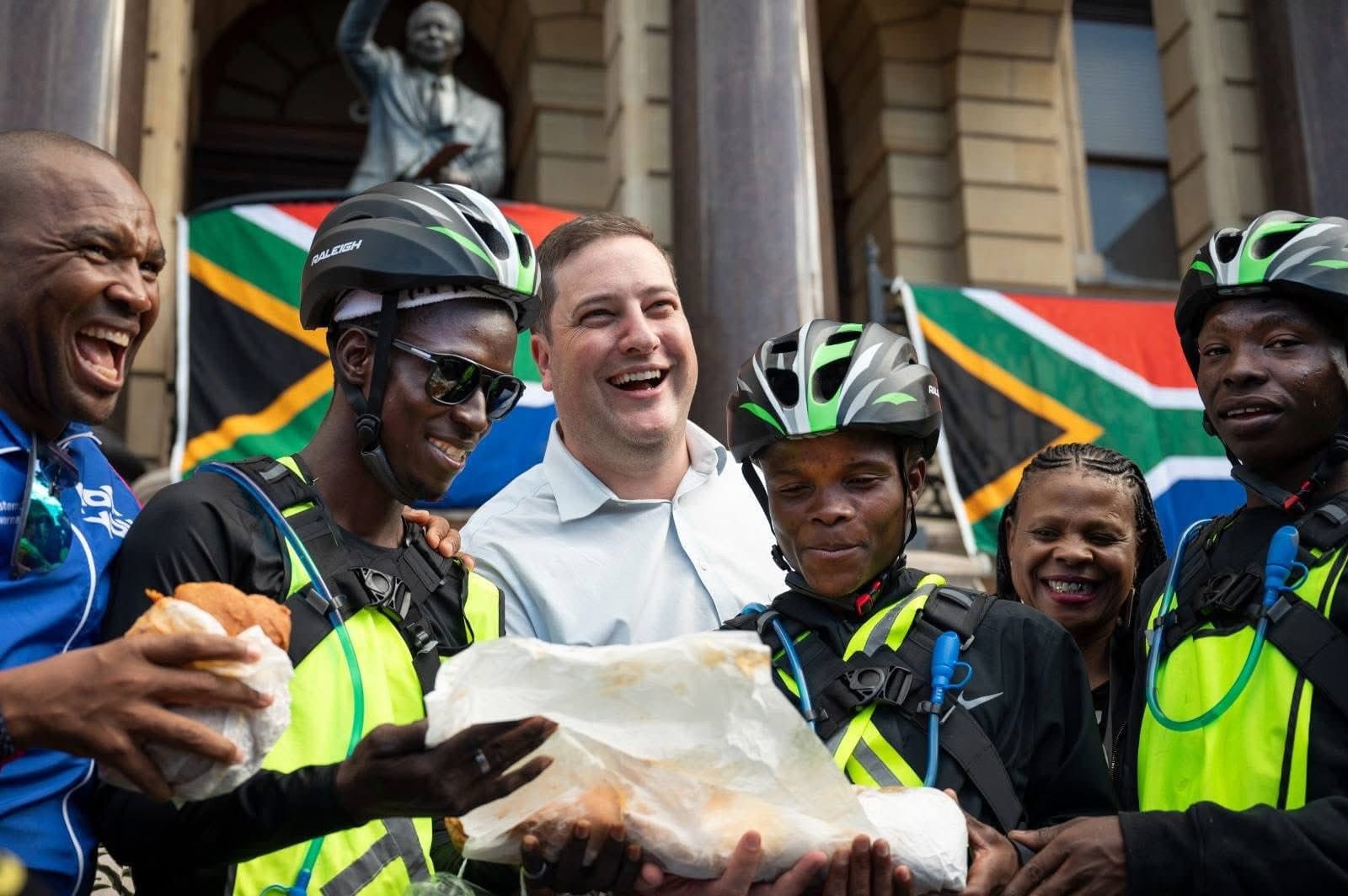
At one stretch of the ride, the view turned from promise to indictment: a trash-filled canal, patchy grass and a landscape that should have felt restorative but instead laid bare Cape Town’s stubborn divisions.
In March, I joined cyclists organized by Young Urbanists, a nonprofit that tries to redesign urban spaces to narrow the racial, social and economic disparities left by South Africa’s former apartheid system. The route was meant to show that mobility is not just a matter of bicycles or roads in Cape Town. It is still a question of who can cross the city easily, who cannot and who pays the most for every trip.
Cape Town is widely described by academic researchers as one of South Africa’s most segregated cities, and apartheid-era spatial planning still shapes where people live, work and travel. University of Cape Town-related research has found that poor residents often live far from job centers and can spend close to half of their monthly income on commuting. A separate study cited by African Cities Journal found that low-income households spent 27% of monthly income on public transport commuting, compared with 6% for low-middle-income households and 1% for high-middle-income households.
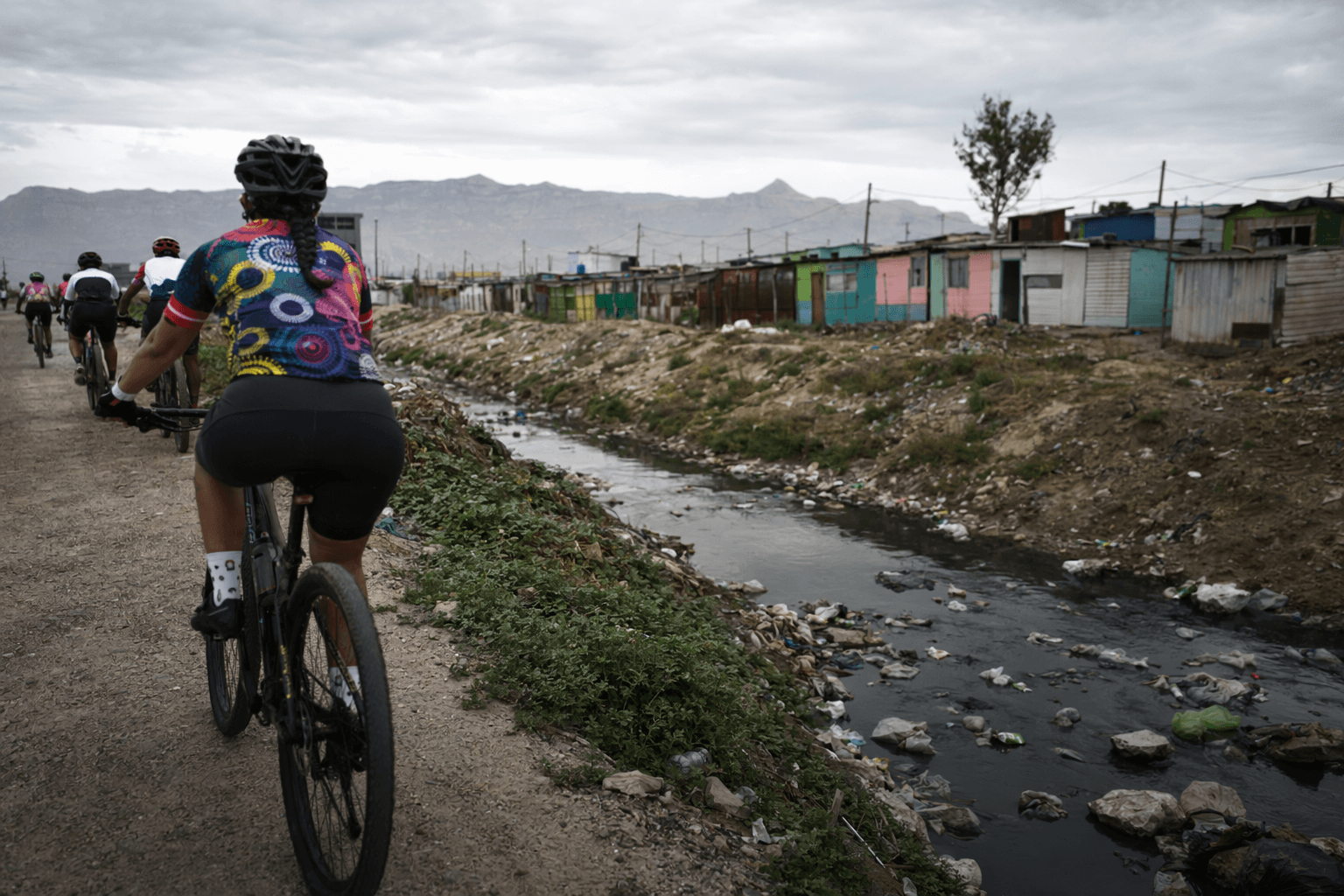
That cost is visible in the city’s geography. The people least able to absorb long, expensive trips are often the ones pushed farthest from employment centers, a pattern that keeps inequality moving along the same routes day after day. Young Urbanists and its partners have pushed “Safe Passage” efforts to link informal and formal areas with safer routes, while recent upgrades on Bree Street added protective features to cycle lanes, a sign that the city is still deciding how seriously to take cycling safety.
Cycling itself has long carried that political weight. The Cape Town Cycle Tour began in 1978 as a protest ride for safer infrastructure. During apartheid, it was non-segregated, allowing riders of all races to participate. Today, the Cape Town Cycle Tour Trust stages the event every March on a 109-kilometer route around the Cape Peninsula. By 2026, it had reached its 48th edition and was being described by official and UCI-related sources as the world’s largest individually timed cycling event.
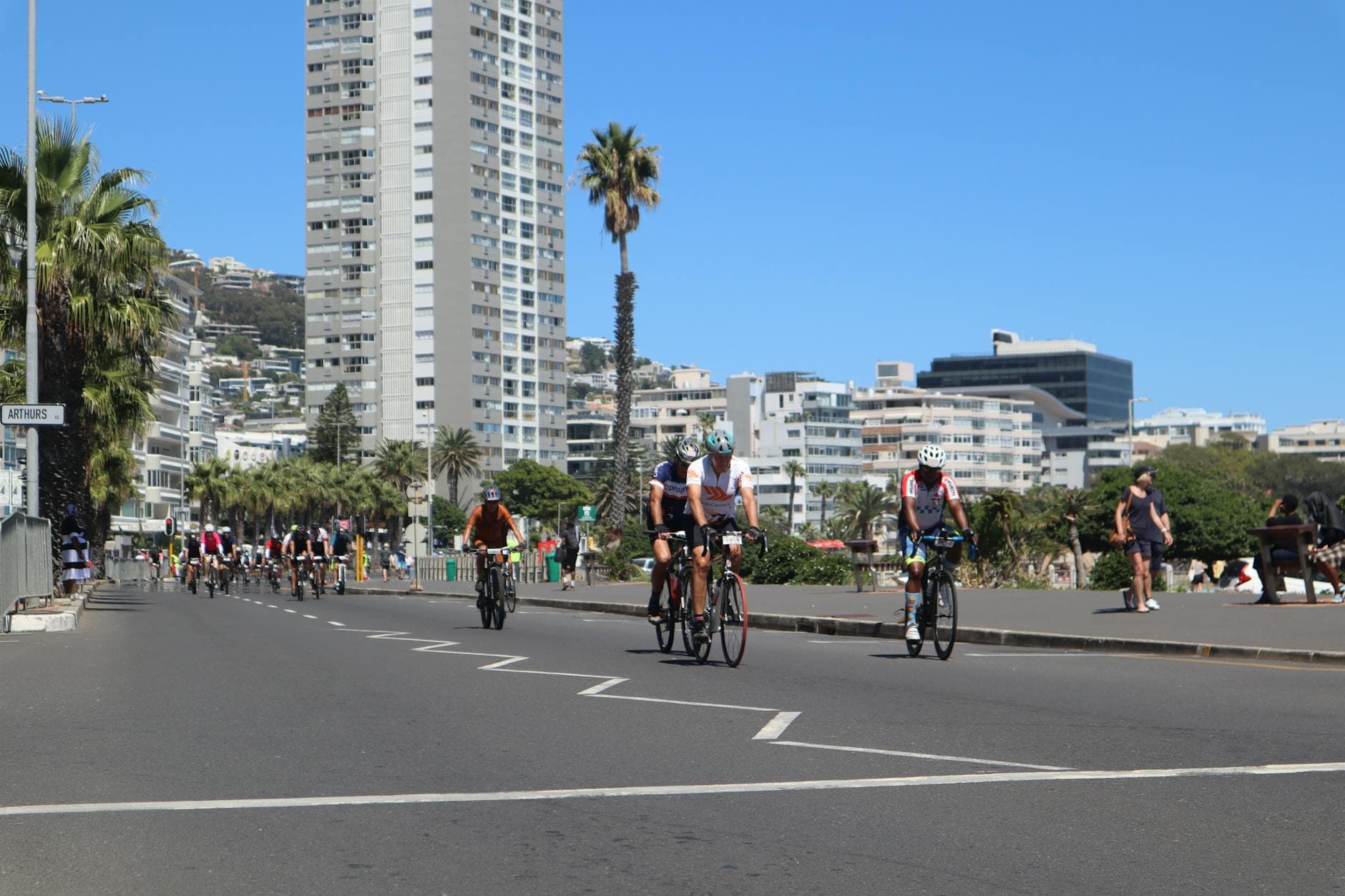
That history gave the group ride an unusual charge. What looked like an outing for recreation doubled as a moving map of the city’s unfinished reckoning, where the distance between neighborhoods still reflects race, class and power. Each protected lane and linked route is a small correction to that geography, but the larger city remains organized by the old lines, and many Cape Town residents still ride, walk or commute through them every day.
This article was produced by Prism’s automated news system from verified source data, official records, and press releases, then run through automated quality and moderation checks before publishing. The system is built and supervised by the people who set the standards it runs under. Read our full AI policy.
Did this article answer your question?


