Widow seeks inquiry, compensation after mistaken extradition in murder case
A Mumbai businessman spent years under a murder label before the real killer confessed. His widow now wants Narendra Modi to back a lawsuit against Scottish authorities.
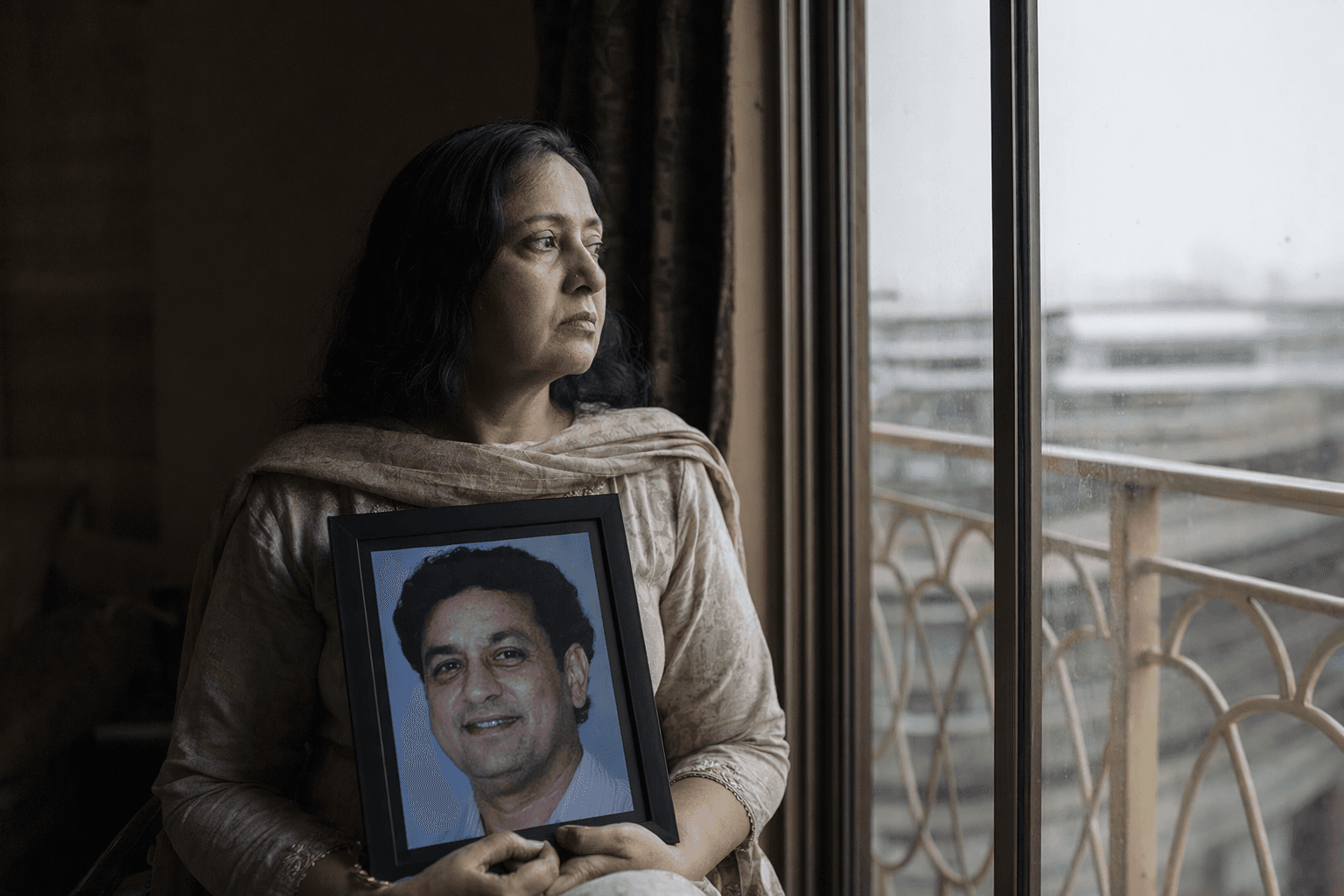
Sougat Mukherjee was arrested in Mumbai in January 2015 at age 37 on a British extradition request and an Interpol alert, accused in the 1997 killing of 21-year-old sex worker Tracey Wilde in Glasgow. Six years later, after China-born Glasgow resident Zhi Min Chen confessed in Glasgow in April 2019, extradition proceedings against Mukherjee were dropped.
Mukherjee never got the chance to see his name cleared in life. He died in Mumbai in 2023 at 44, nearly four years after Chen admitted to strangling Wilde. His widow, Sapna Mukherjee, says the damage went far beyond the collapse of the case. She said her husband’s life was “irreversibly destroyed” after he was labelled a suspect.
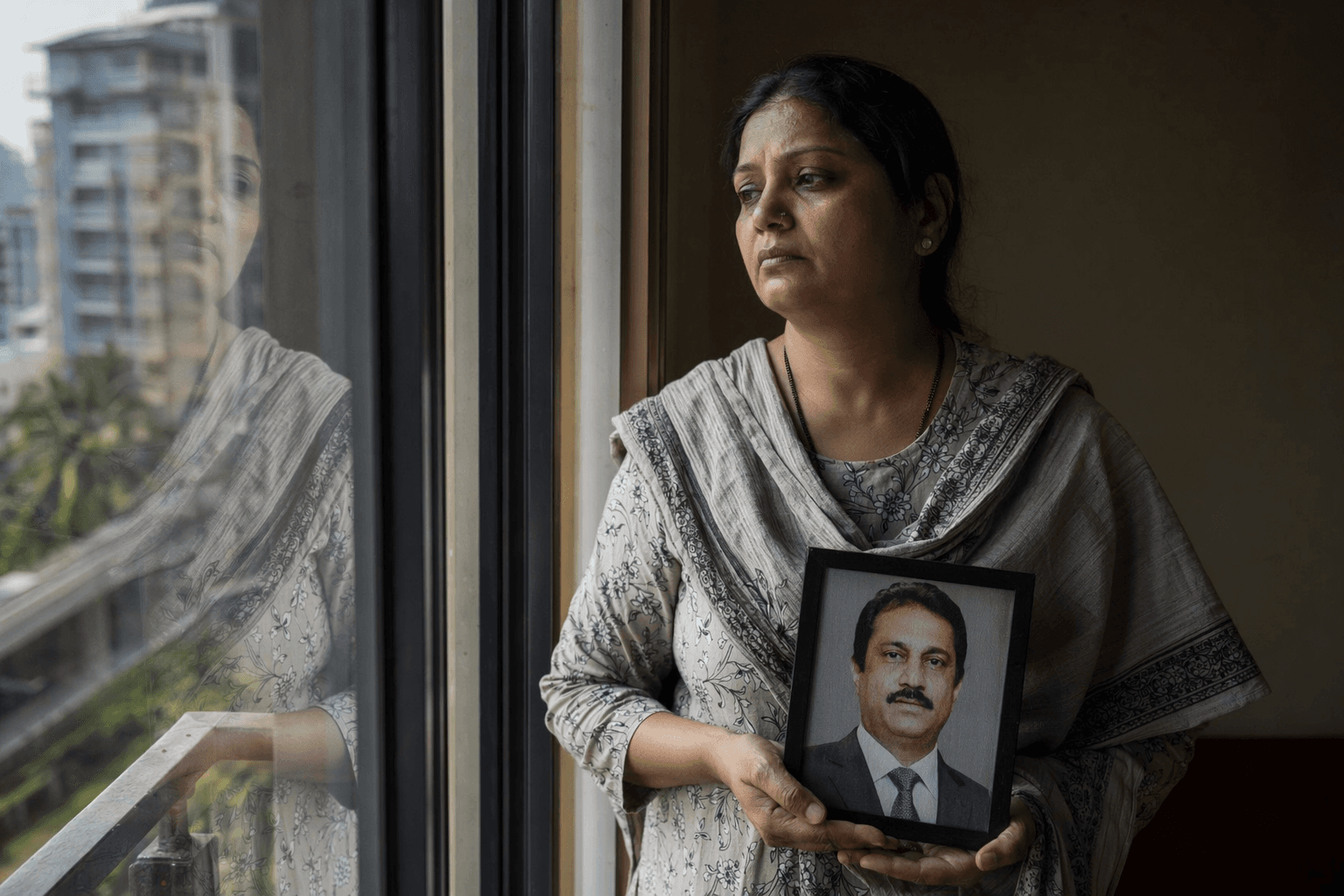
Now Sapna Mukherjee is urging Indian Prime Minister Narendra Modi to back her family’s effort to sue the Scottish authorities. She is also seeking compensation and an Indian government inquiry into how the case was handled, a demand that raises broader questions about the safeguards in cross-border investigations and the power of suspicion to outlast evidence.
The case has drawn fresh attention to the long-running investigation into Wilde’s death and to what happens when police suspicions travel across borders before the facts are settled. Mukherjee’s arrest in Mumbai was made public as part of a probe that had already stretched back 18 years. For years after that, he lived under the shadow of an international murder allegation until Chen’s confession finally shifted the case away from him.
Police Scotland has declined to comment on ongoing legal matters. Scottish prosecutors have previously said they carefully considered all reports of alleged criminal conduct submitted by police. But Sapna Mukherjee’s push for damages suggests that, for her family, the real case is now about the harm done by the process itself, not just the original killing.
The legal fight could force renewed scrutiny of how authorities in Scotland and India handle extradition requests, Interpol notices and public accusations in unresolved cases. For Mukherjee’s family, the central question is no longer who killed Tracey Wilde. It is whether a man’s reputation, liberty and health can be broken by a case that later fell apart, and whether any institution will be held accountable for that collapse.
This article was produced by Prism’s automated news system from verified source data, official records, and press releases, then run through automated quality and moderation checks before publishing. The system is built and supervised by the people who set the standards it runs under. Read our full AI policy.
Did this article answer your question?