Singapore suspends Simba-M1 merger review over spectrum use probe
Singapore’s telecom regulator froze the Simba-M1 deal after alleging unassigned spectrum use, putting a S$1.43 billion merger and pricing promises on hold.
Singapore’s telecom watchdog halted the proposed Simba Telecom-M1 merger after saying it had learned during its review that Simba may have used radio frequency bands that were never assigned for mobile services. The move turned a long-anticipated S$1.43 billion deal into a compliance probe with direct implications for competition, pricing and control of critical infrastructure in one of Asia’s most tightly regulated telecom markets.
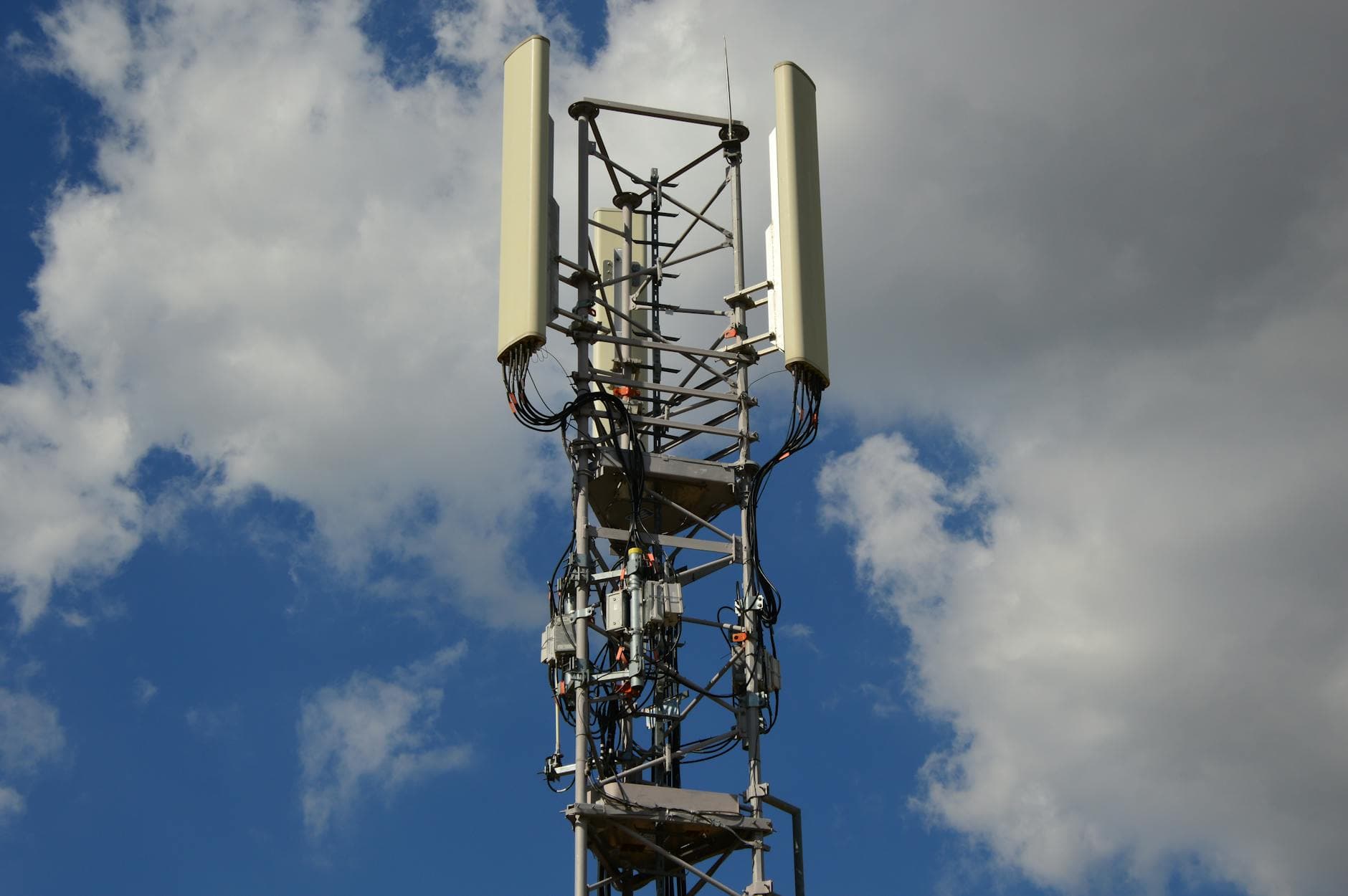
The Infocomm Media Development Authority said the consolidation review was suspended until further notice while it investigates whether Simba’s alleged use of spectrum amounts to unauthorized operation under the Telecommunications Act 1999 and breaches the company’s Facilities-Based Operations Licence. The regulator said it could take enforcement action if the allegation is established. It also said the merger assessment, which falls under the Telecom and Media Competition Code, must consider whether the deal would significantly lessen competition, raise public interest concerns or jeopardize cybersecurity requirements for critical telecommunications networks.

For Keppel and Tuas, the decision is a sharp escalation. Keppel owns 83.9% of M1, and the companies had already pushed the long-stop date to May 21, 2026 from March 26 as they dealt with additional regulatory questions. The transaction, first filed with IMDA on Sept. 26, 2025, would have been Singapore’s first telco consolidation. If approved, the combined Simba-M1 operation would serve more than three million mobile subscribers, still smaller than Singtel’s roughly 4.5 million.
The market’s reaction was brutal. Tuas shares fell more than 60% in Australia after the announcement, sliding to about A$2.22 to A$2.46. The drop reflected how quickly a merger story built around scale and efficiency had become one about possible licensing breaches and the risk of further delay, or derailment.
Keppel said it would activate a 90-day efficiency drive if it ends up retaining M1. The plan includes reducing technology platform and network costs, using artificial intelligence for automation and product rationalisation. Keppel has also said it still sees room for divestment and believes Singapore’s telecom sector would benefit from consolidation, even as the regulatory process now hangs on the outcome of IMDA’s probe.
The stakes extend beyond this single transaction. Singapore’s liberalised telecom market has already seen years of price pressure in mobile and fixed broadband. The Simba-M1 deal had been presented as a way to improve efficiency while keeping popular $10 and $12 mobile plans unchanged for at least two years and honoring existing M1 MVNO commitments. With the review frozen, the larger question is whether consolidation can proceed in a sector where spectrum access is not just a technical detail, but the basis of the business itself.
This article was produced by Prism’s automated news system from verified source data, official records, and press releases, then run through automated quality and moderation checks before publishing. The system is built and supervised by the people who set the standards it runs under. Read our full AI policy.
Did this article answer your question?
%3Amax_bytes(150000)%3Astrip_icc()%2FCertificate-of-deposit-2301f2164ceb4e91b100cb92aa6f868a.jpg&w=1920&q=75)