Slovakia’s top court upholds 21-year sentence for Fico shooter
Slovakia’s top court made the attack on Robert Fico a final terrorism conviction, keeping Juraj Cintula’s 21-year sentence in place and leaving the country’s political rift exposed.
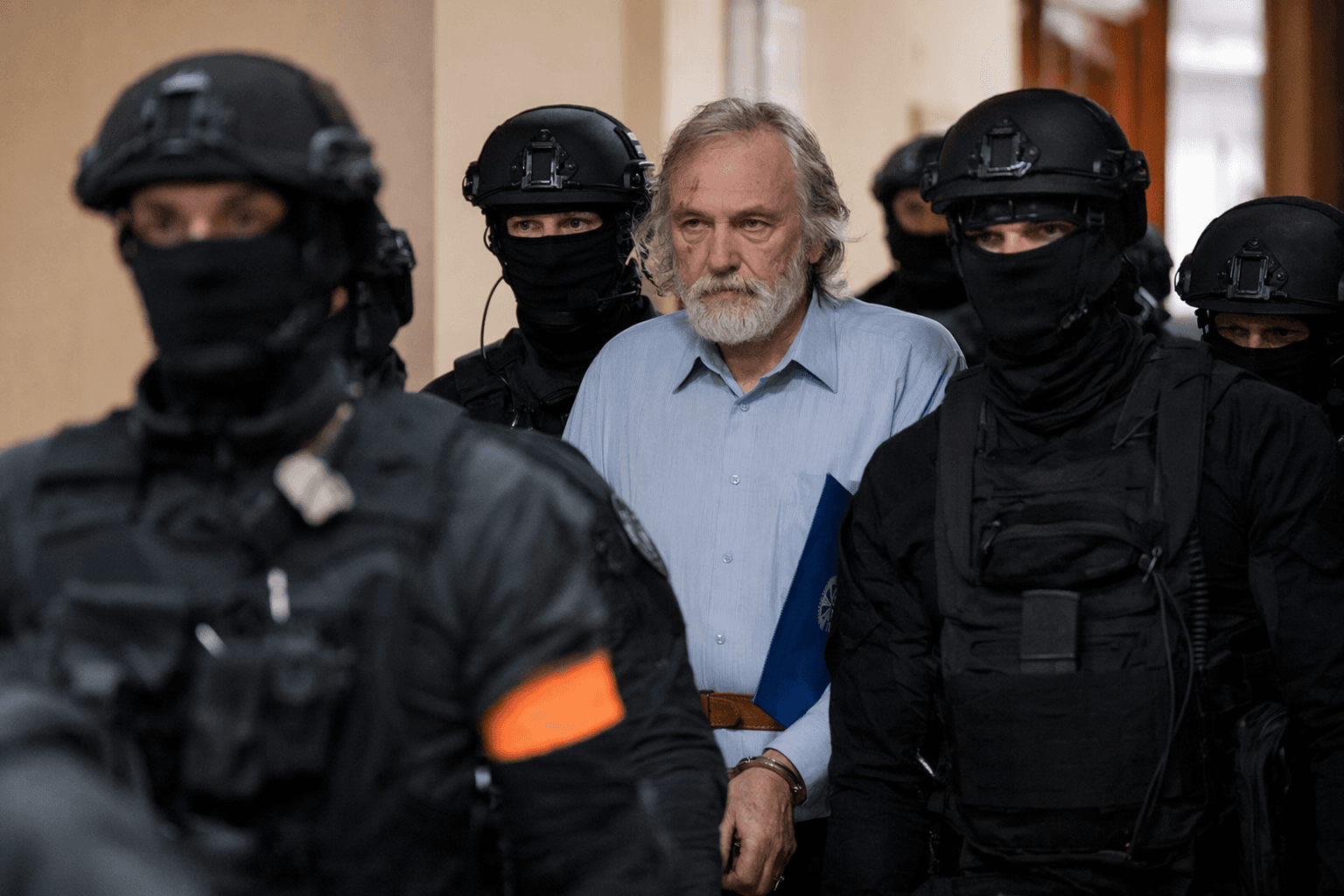
Slovakia’s Supreme Court left in place a 21-year prison sentence for Juraj Cintula, closing the country’s most closely watched case of political violence but not the wider argument over how far democratic tensions have deepened around Robert Fico.
The ruling made final Cintula’s conviction for a terrorist attack after he fired five shots at Fico from close range on May 15, 2024, outside a cultural center in Handlová after a government meeting. Fico was rushed to a hospital in Banská Bystrica, where doctors performed multiple surgeries before he recovered and returned to work. Cintula, now 73, was arrested immediately at the scene and remained in custody through trial and appeal.
The court’s decision confirmed that prosecutors had successfully framed the attack as more than attempted murder. In the lower court’s reasoning, Judge Petr Kana said the planning of the shooting and Cintula’s knowledge that he was targeting the prime minister showed he understood the blow it would deal to the functioning of government power. That distinction mattered because it placed the attack in the realm of political terrorism, not only personal violence.
At trial, Cintula said he opposed Fico’s policies, including the cancellation of a special prosecution office dealing with corruption, the end of military aid for Ukraine and the government’s approach to culture. He said he wanted to harm Fico, not kill him, and denied being a terrorist. The lower court sentenced him on October 21, 2025.
The attack struck a country of about 5.4 million people at a moment when Fico was already one of Slovakia’s most polarizing leaders. His return to power in 2023 brought sharper arguments over corruption, Ukraine, culture and the country’s place in Europe. The shooting intensified those disputes, feeding protests and wider fears about radicalization and the fragility of public debate.

It also changed the security conversation around elected leaders. The assault on a sitting prime minister in Central Slovakia was described as the first attempt on a European leader in more than two decades, a sign of how political violence has returned as a live concern in a region that had largely treated such attacks as remote history. For Slovakia, the court ruling ends one legal fight, but the deeper question remains: how to govern a democracy when disagreement has become so charged that it can turn deadly.
This article was produced by Prism’s automated news system from verified source data, official records, and press releases, then run through automated quality and moderation checks before publishing. The system is built and supervised by the people who set the standards it runs under. Read our full AI policy.
Did this article answer your question?