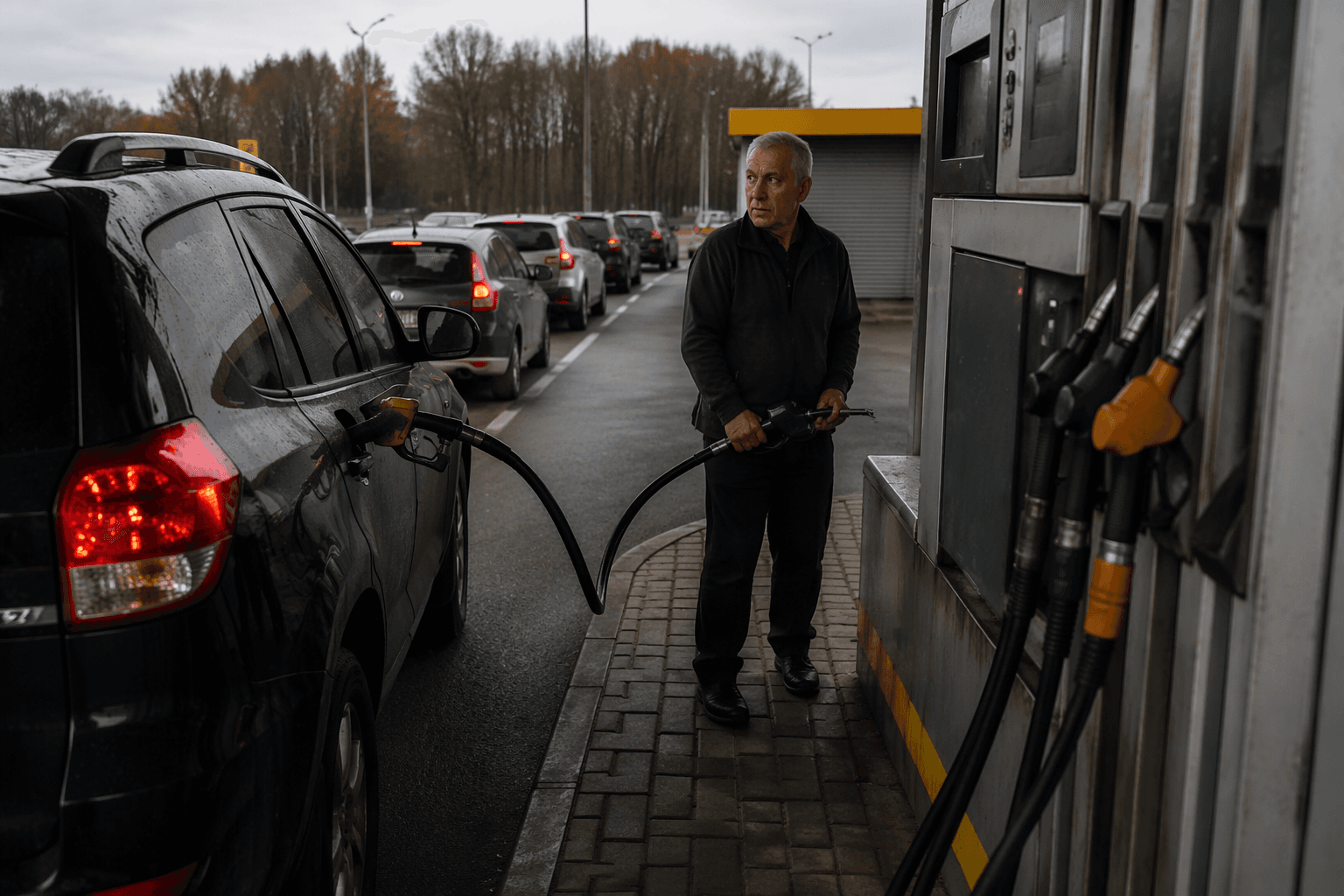
Trump warns Iran economy nears collapse as Hormuz standoff drives oil prices higher
Oil topped $100 as Hormuz traffic collapsed 95%, while Iran’s economy faced a 6.1% contraction and runaway inflation.

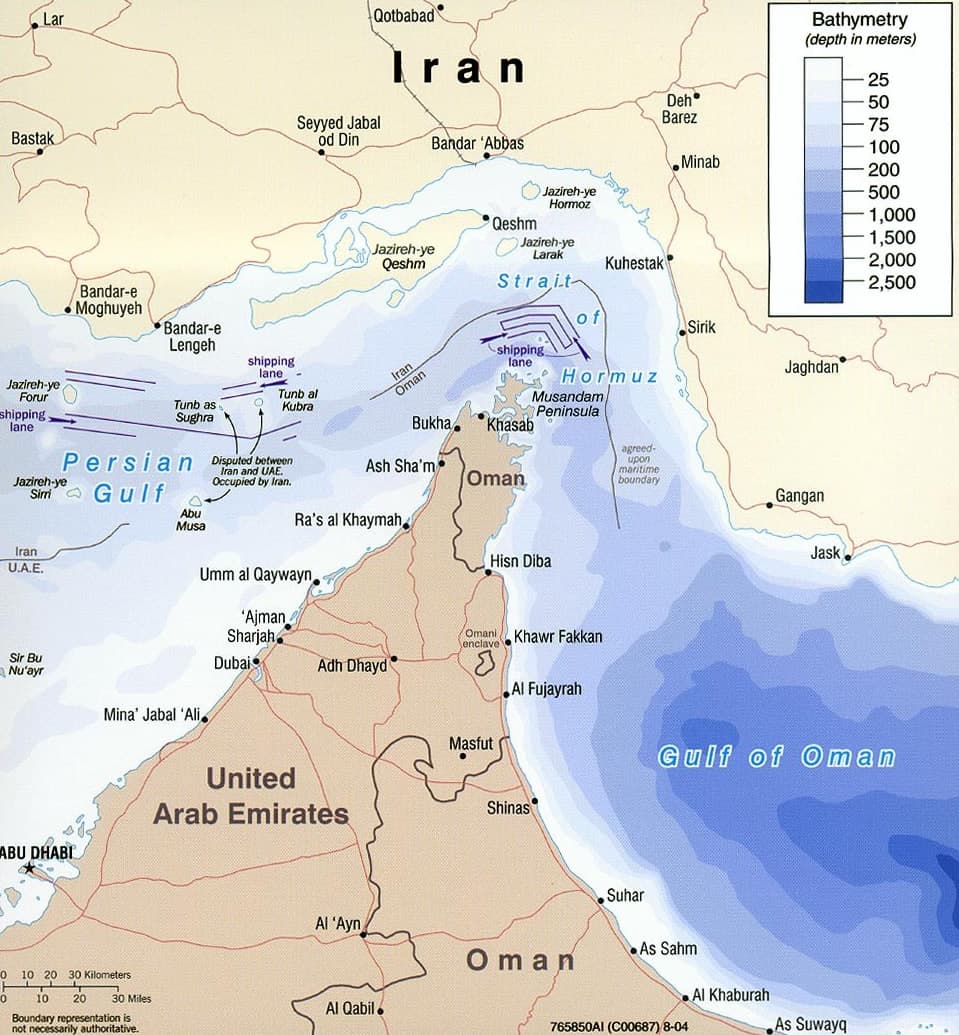
Crude pushed above $100 a barrel for the first time since 2022 as shipping through the Strait of Hormuz nearly ground to a halt, sharpening the risk that a regional standoff could hit U.S. forces, allies and consumers far beyond the Persian Gulf. The chokepoint that carries roughly 20% of global oil, about 15 million barrels a day, has become the clearest market measure of how dangerous the Iran confrontation has become.
UN Trade and Development said the strait remained “practically closed,” with daily transits falling from about 129 in February to just 6 in March, a 95% drop. That collapse has fed a wider squeeze on trade, inflation and currencies, especially in developing economies that depend on imported fuel and food. Tankers are still not moving normally because of missile and drone threats, and because insurers have been unwilling to price the voyage at reasonable rates.
The Dallas Federal Reserve said a complete cessation of Gulf oil exports would amount to removing close to 20% of global oil supplies from the market. It estimated that about 80% of that oil goes to Asia and said the shock would be three to five times larger than the major geopolitical oil disruptions of 1973, 1979, 1980 and 1990. That scale helps explain why energy markets have stayed tense even without a formal physical blockade.
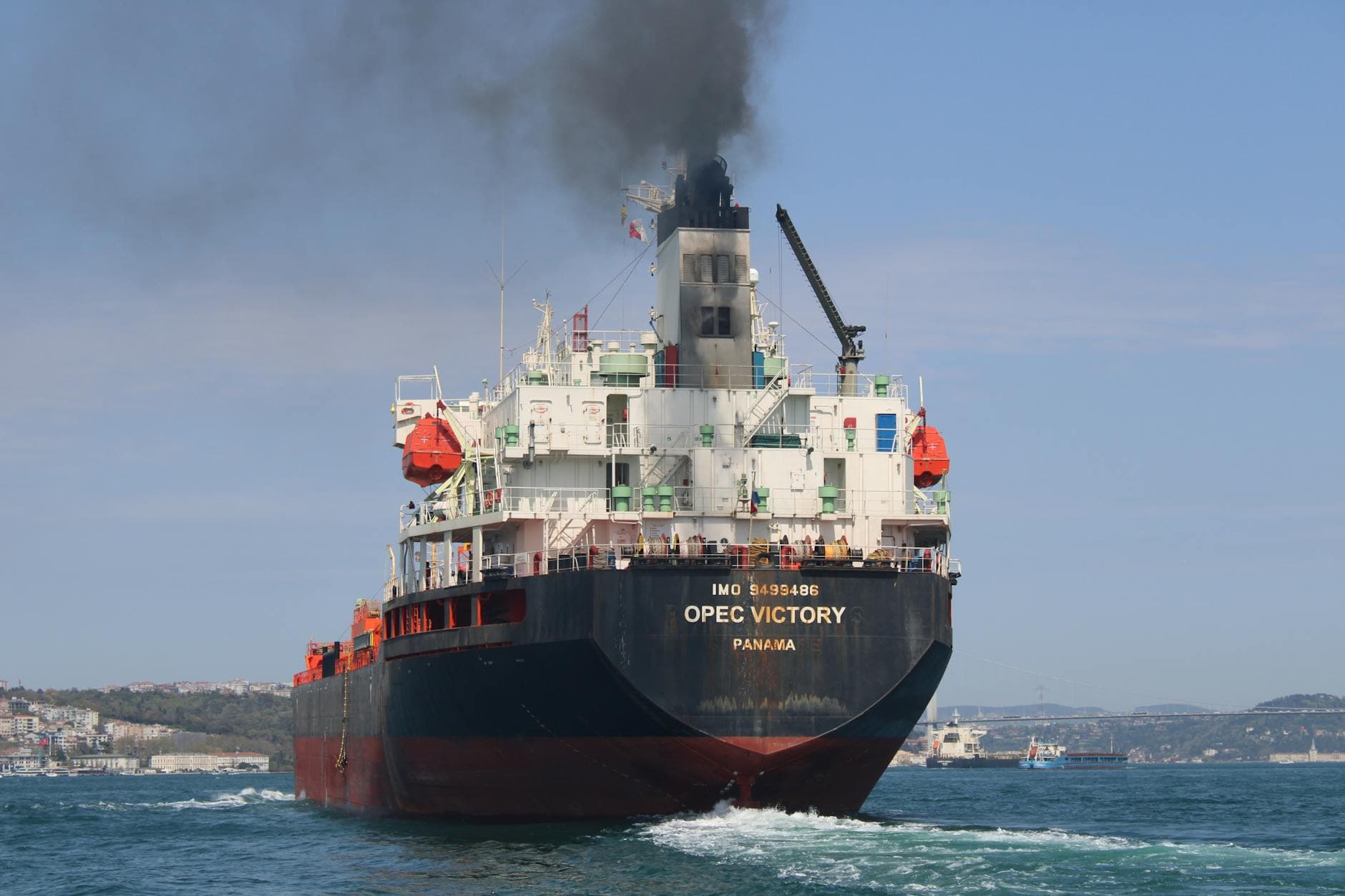
Donald Trump has tried to turn that pressure into proof of leverage, saying Iran told him it was in a “state of collapse” and wanted the United States to reopen the Strait of Hormuz as soon as possible. Marco Rubio has said the waterway is an international passage and cannot be turned into a system where Iran decides who may pass. U.S. Central Command said the naval blockade remains active and that 39 vessels had been redirected since April 13.
Hard economic data, however, show how much strain Iran is already under. The International Monetary Fund expects the Iranian economy to shrink 6.1% in 2026 and inflation to reach 68.9%. Iran’s rial has fallen to around 1.32 million per U.S. dollar, underscoring how war risk, sanctions pressure and supply shortages are battering household purchasing power in Tehran.
For now, the standoff is doing what markets fear most: lifting oil costs, slowing shipping and keeping the possibility of a wider conflict squarely in view.
This article was produced by Prism’s automated news system from verified source data, official records, and press releases, then run through automated quality and moderation checks before publishing. The system is built and supervised by the people who set the standards it runs under. Read our full AI policy.
Did this article answer your question?