Snap to launch $2,195 Specs AR glasses this autumn
Snap is betting $2,195 Specs can turn consumer AR into a real market, even after earlier Spectacles fizzled and left millions in write-downs.

Snap is betting that its new Specs can do what years of smart-glasses hype have not: convince ordinary buyers to spend $2,195 on a pair of see-through AR glasses. The company is pitching the device as its first augmented-reality glasses for consumers rather than developers, with a $200 refundable deposit and an autumn shipping target.
The launch makes Snap’s hardware ambitions a referendum on whether consumer AR has finally found a credible market. Specs are meant to work as a standalone device, powered by Snapdragon XR platforms, with AI assistance, shared games and experiences, and a flexible workstation for browsing and streaming. Snap has spent 11 years and more than $3 billion developing the hardware, a scale of investment that underscores both its confidence and the risk attached to a product aimed at a mass audience that has not yet embraced this category.
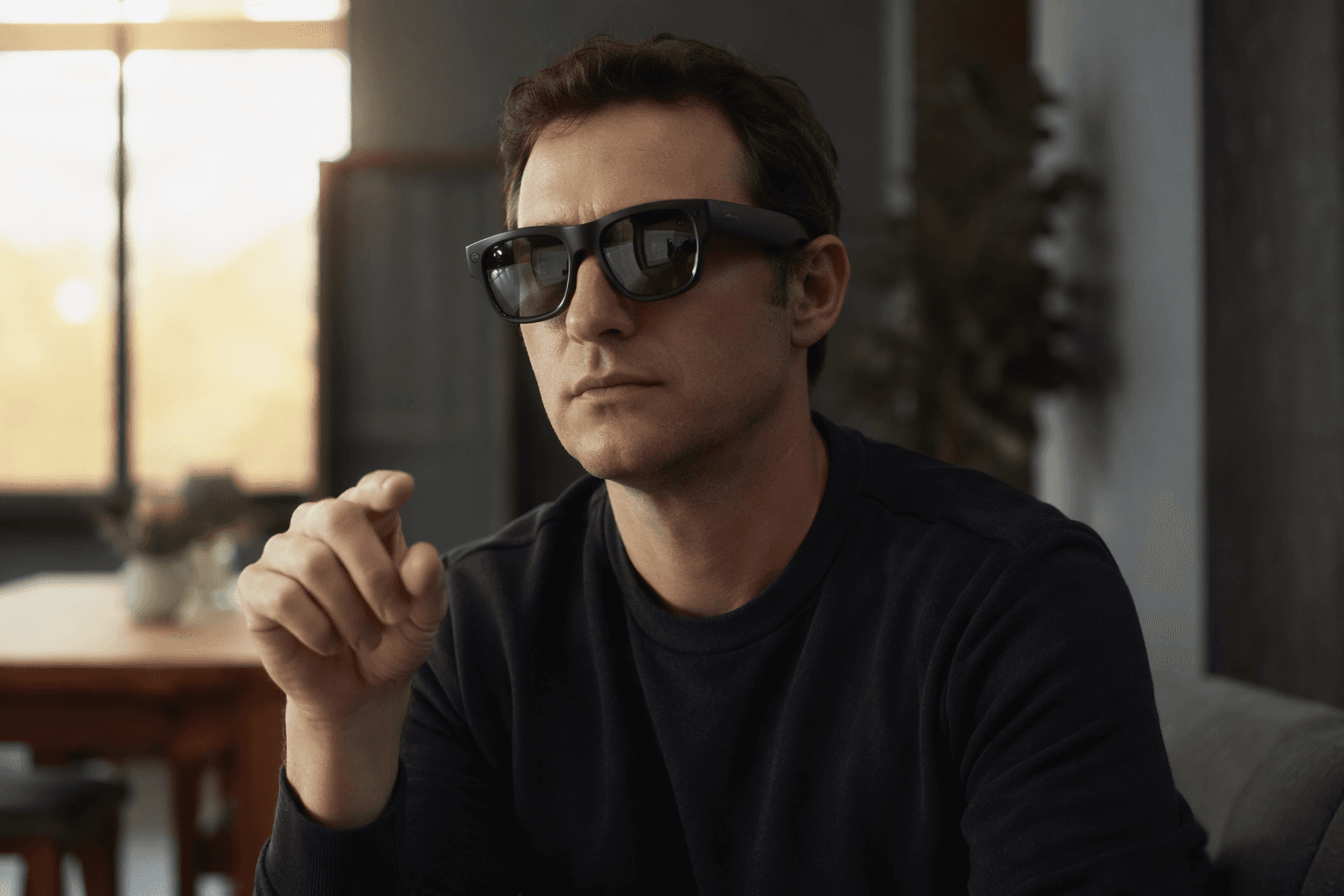
That hesitation is rooted in Snap’s own history. Its original Spectacles camera glasses, introduced in 2016, were sold in limited fashion through vending machines before becoming a commercial disappointment. Snap later wrote down about $40 million in unsold inventory and retailer cancellations in 2017, and reports at the time said only about 150,000 pairs had been sold. The new Specs arrive with the burden of proving that a more capable and far more expensive product can avoid the same fate.
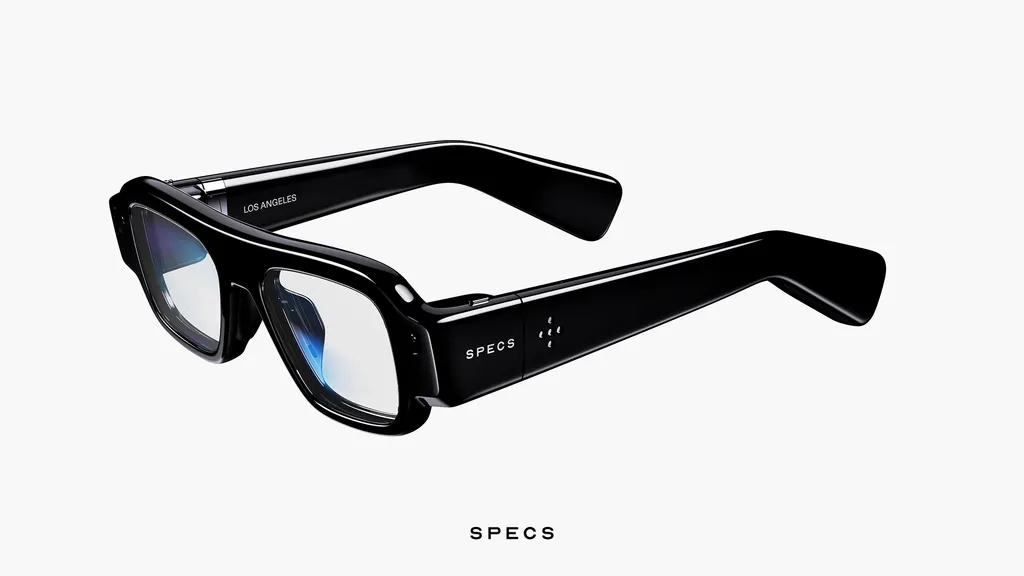
Snap is trying to build a more durable business around the new glasses. The company created Specs Inc. as a wholly owned subsidiary to give the hardware operation more focus, more partnership flexibility and room for possible minority investment. It has also announced a multi-year strategic collaboration with Qualcomm Technologies to power future generations of Specs with Snapdragon silicon, while Snap OS 2.0 is designed to add browsing, utilities and other everyday functions.

The company unveiled the glasses at Augmented World Expo in Long Beach, California, where Evan Spiegel framed the device as part of a broader effort to make computing feel more human. That framing is central to Snap’s pitch, but the market test is harsher: whether consumers will pay premium, near-luxury pricing for a category that has repeatedly failed to become an everyday habit. Snap has made the hardware case with scale, software and partnerships; autumn will show whether it has made the consumer case.
This article was produced by Prism’s automated news system from verified source data, official records, and press releases, then run through automated quality and moderation checks before publishing. The system is built and supervised by the people who set the standards it runs under. Read our full AI policy.
Did this article answer your question?