Social Media-Fueled Overtourism Strains Venice, Barcelona and Europe’s Fragile Destinations
Viral travel has turned Europe’s best-known places into policy test cases, where crowd control now shapes housing, mobility, ecosystems and daily life.
The cost of too much attention
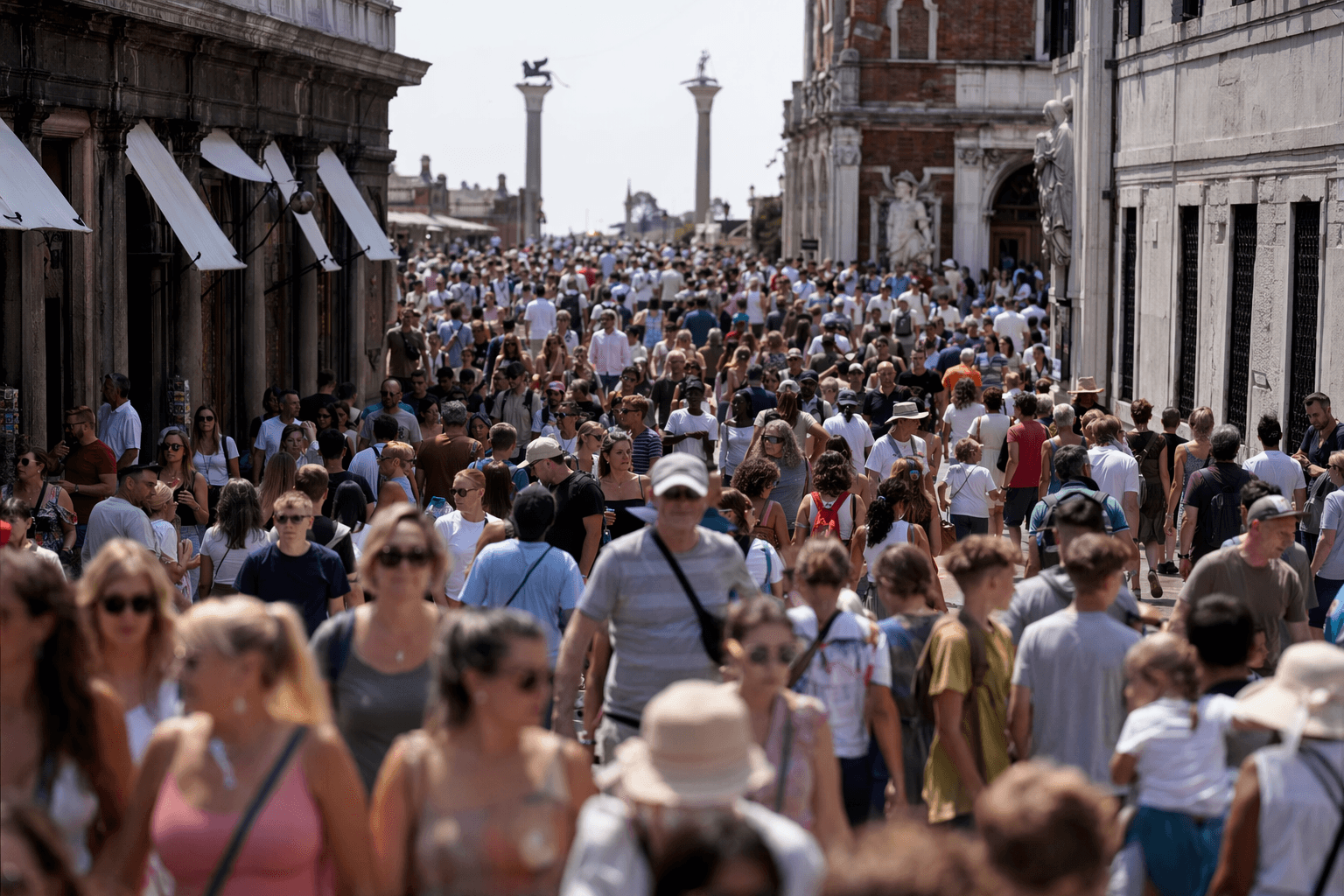
Overtourism is no longer a vague complaint about crowded streets. UNESCO warns that it can hurt residents, erode a place’s character, and drive social, cultural and environmental deterioration, which is why the real issue is policy, not inconvenience. With international arrivals rebounding to an estimated 1.4 billion in 2024 and 1.52 billion in 2025, tourism is again moving at full speed, and the pressure is landing hardest where fragile neighborhoods, heritage sites and ecosystems have the least room to absorb it.
The economics help explain why the strain keeps building. Tourism accounted for about 9.1% of global GDP in 2023, or roughly US$9.9 trillion, so destinations rely on the money even as they absorb the costs. That tension is especially visible in European cities where social media has compressed demand into a few photogenic streets, beaches, museums and viewpoints, turning attention into congestion and congestion into political backlash.
Venice’s carrying capacity has a hard edge
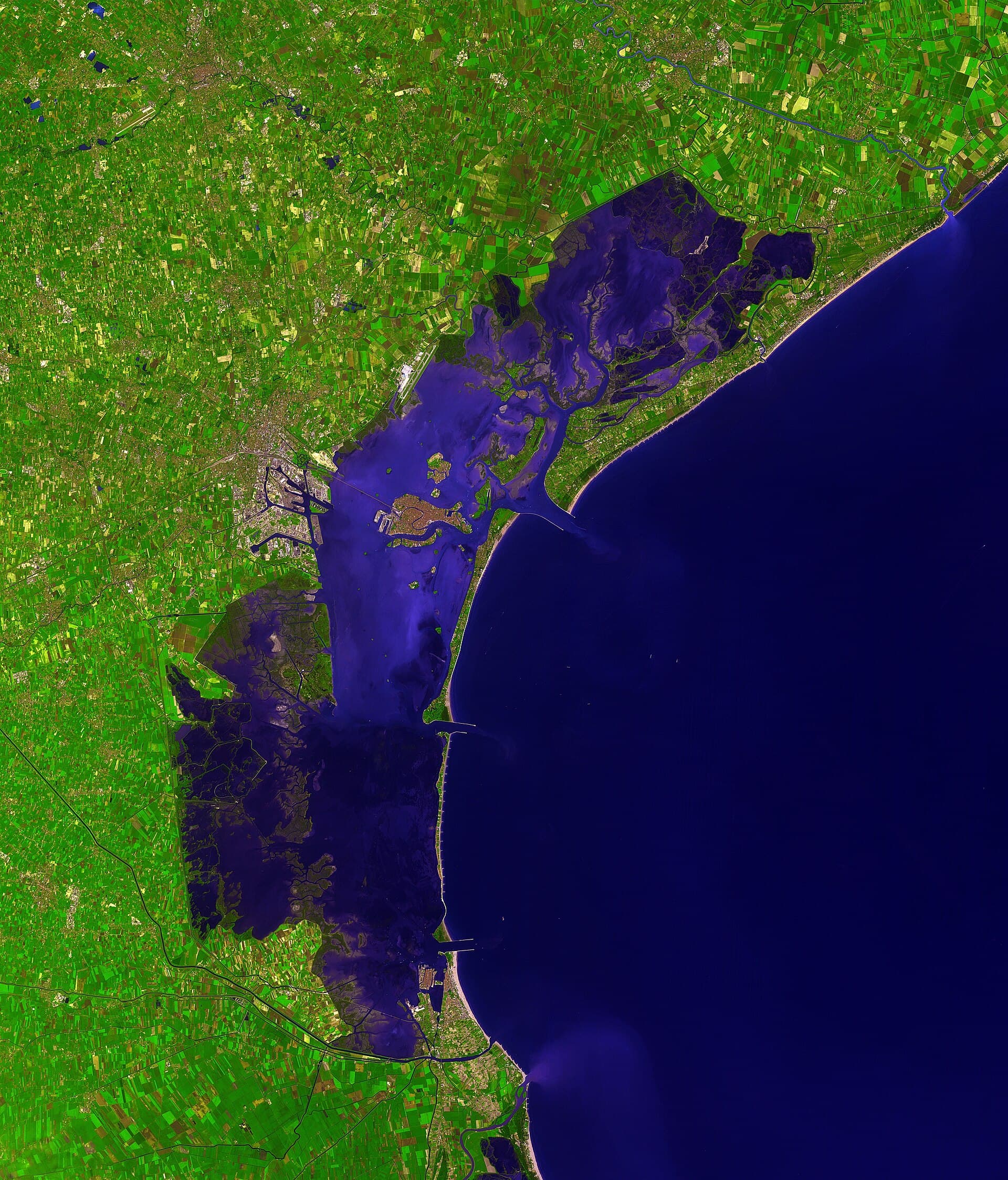
Few places show the limits more clearly than Venice, Italy. UNESCO’s 2020 advisory mission for the city reported average annual arrivals of 4,991,018 and average annual overnight stays of 11,489,451 for 2015 to 2019, numbers that explain why the historic core and the Venice Lagoon are treated as a carrying-capacity problem rather than a simple visitor-management problem. The city’s appeal depends on an environment that is both iconic and extremely fragile, which makes every extra wave of day-trippers more consequential than it would be in a larger urban center.
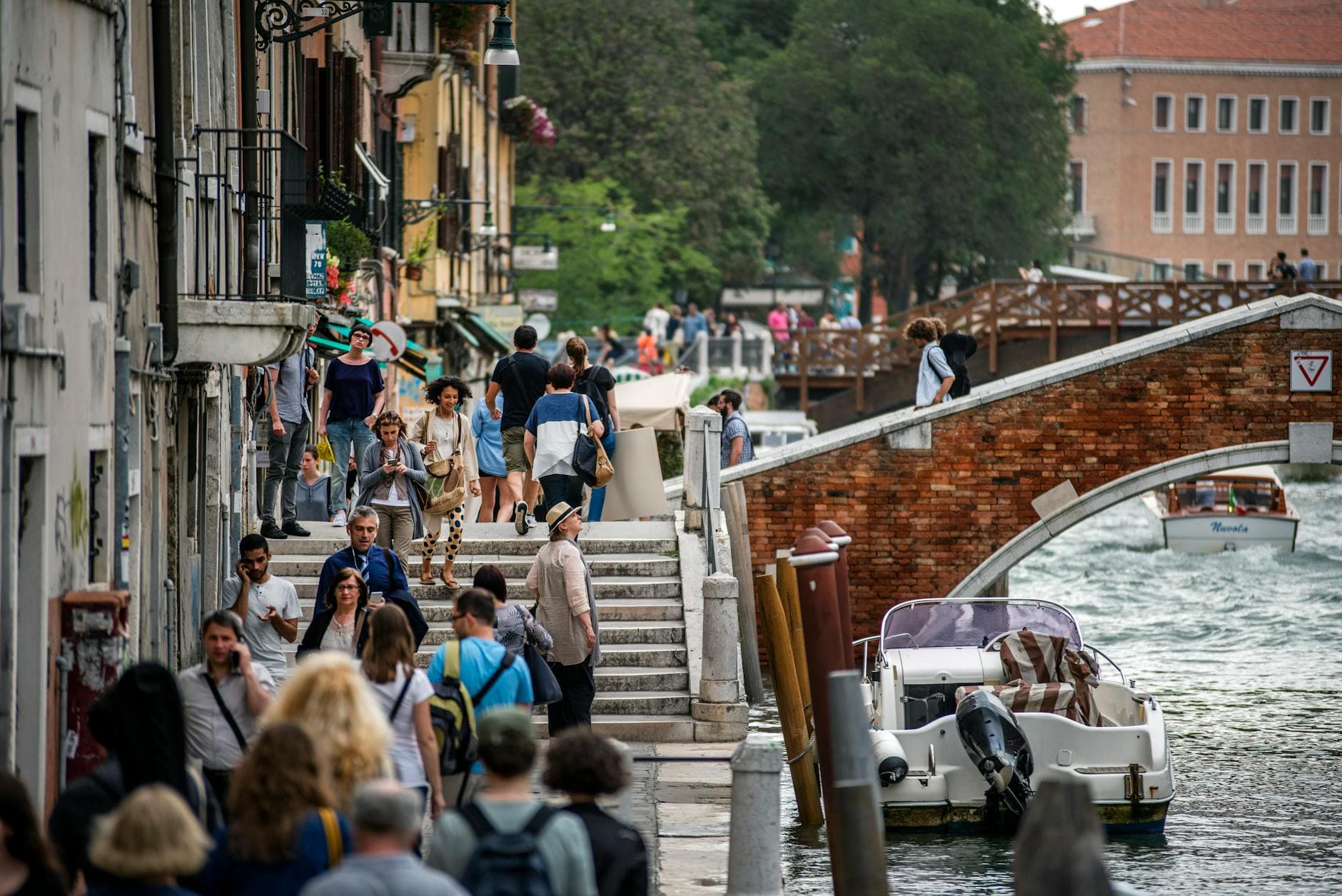
Venice has responded with a day-tripper access fee system that is still in place in 2026, a sign that the City of Venice sees pricing as part of the solution. The logic is straightforward: if the city cannot expand its streets, bridges and infrastructure, it can at least make casual entry more expensive and more manageable. But the fee also illustrates the limits of pricing alone, because it can moderate demand at the margin without solving the deeper problem of concentration in a place where even small surges change the feel of daily life.
Barcelona is measuring the pressure, then taxing it
Barcelona, Spain, has taken a more data-heavy approach. The Ajuntament de Barcelona runs a tourism activity portal to monitor flows, and the city’s own figures show just how intense the load remains: 12,047,506 tourists in 2023 and 35,878,807 overnight stays in 2023. January 2024 tourism was already running above 2019 levels, a clear sign that the market had not just recovered but pushed beyond its pre-pandemic baseline.
The city council also approved 2025 tax by-laws increasing taxes on tourism, an admission that volume has real public costs. Higher taxes can help fund transit, sanitation and enforcement, but they are not a cure-all if visitor numbers keep climbing and the most desirable districts keep absorbing the same pressure. In Barcelona, the debate is not only about whether tourism brings income, but whether it is priced and distributed in a way that protects housing, infrastructure and residents’ quality of life.
The backlash is moving from frustration to protest
The social cost is not abstract. More than 20,000 anti-tourism activists protested in Palma de Mallorca, Spain, on July 21, 2024, complaining about housing costs and mass tourism. That kind of mobilization matters because it shows overtourism has crossed from a planning issue into a social conflict, with residents increasingly treating visitor volume as a direct driver of displacement and affordability problems.
Paris, France, shows that the strain reaches well beyond beaches and old towns. The Louvre Museum said it welcomed 8.7 million visitors in 2024, and reporting has described worker protests over overcrowding and understaffing. That matters for the policy debate because overtourism is not only a question of how residents live near iconic sites, but also how frontline workers are asked to absorb crowd levels that outpace staffing, security and basic operations.
What actually works, and what merely slows the damage
UNESCO and UN Tourism both frame overtourism as a sustainability problem that requires destination-level planning, not just symptom management. UNESCO’s World Heritage and Sustainable Tourism Programme emphasizes planning and stakeholder cooperation, while UN Tourism’s INSTO network is designed to monitor economic, environmental and social impacts at the destination level. UN Tourism’s report on urban tourism growth goes further, analyzing resident perceptions in eight European cities and proposing 11 strategies and 68 measures, which is a reminder that the toolkit already exists.
The question is which tools work in practice. Caps and booking systems can be effective where physical space is finite, especially in heritage districts and environmentally sensitive areas. Pricing and tourism taxes can reduce some low-value demand while generating money for public services, but they work best when paired with enforcement and clear caps; otherwise they simply monetize congestion. Visitor zoning and dispersal campaigns can help spread pressure across a wider area, yet social-media-driven demand often snaps back to the same viral locations, which is why monitoring is the foundation of any credible policy.
The broader lesson is that overtourism is a governance failure with visible local costs. When cities rely on attention to drive growth but do not regulate the volume that attention creates, they end up with packed streets, stressed transit, strained housing markets and residents who feel their cities are being consumed in real time. The destinations that adapt fastest will be the ones that stop treating crowds as proof of success and start treating them as a cost that must be measured, priced and limited.
This article was produced by Prism’s automated news system from verified source data, official records, and press releases, then run through automated quality and moderation checks before publishing. The system is built and supervised by the people who set the standards it runs under. Read our full AI policy.
Did this article answer your question?


