Solar costs are set to fall as demand surges from data centres
Solar keeps getting cheaper and scaling fast, but data centres are driving a power-demand shock that is keeping gas and coal in the mix longer.
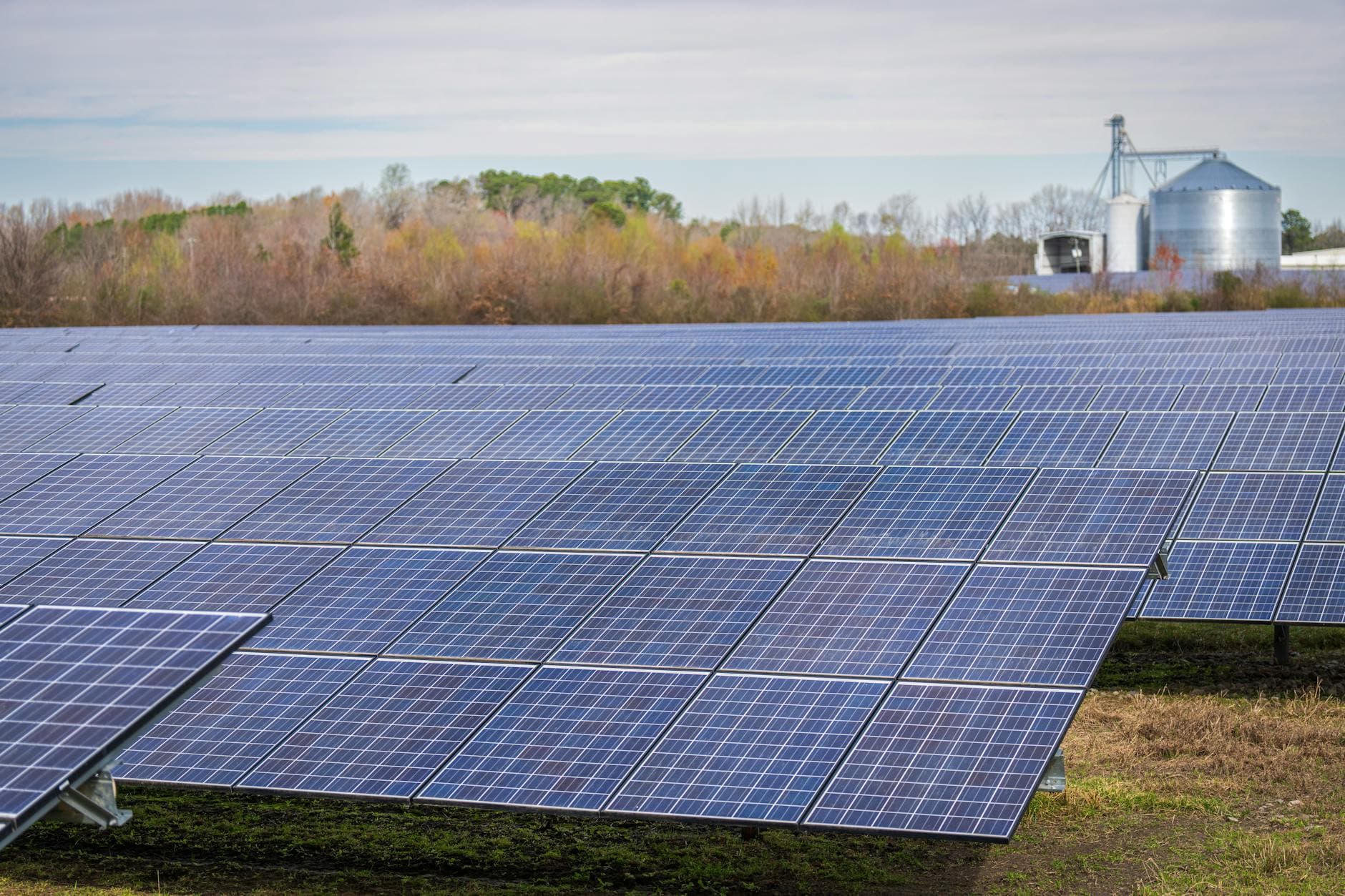
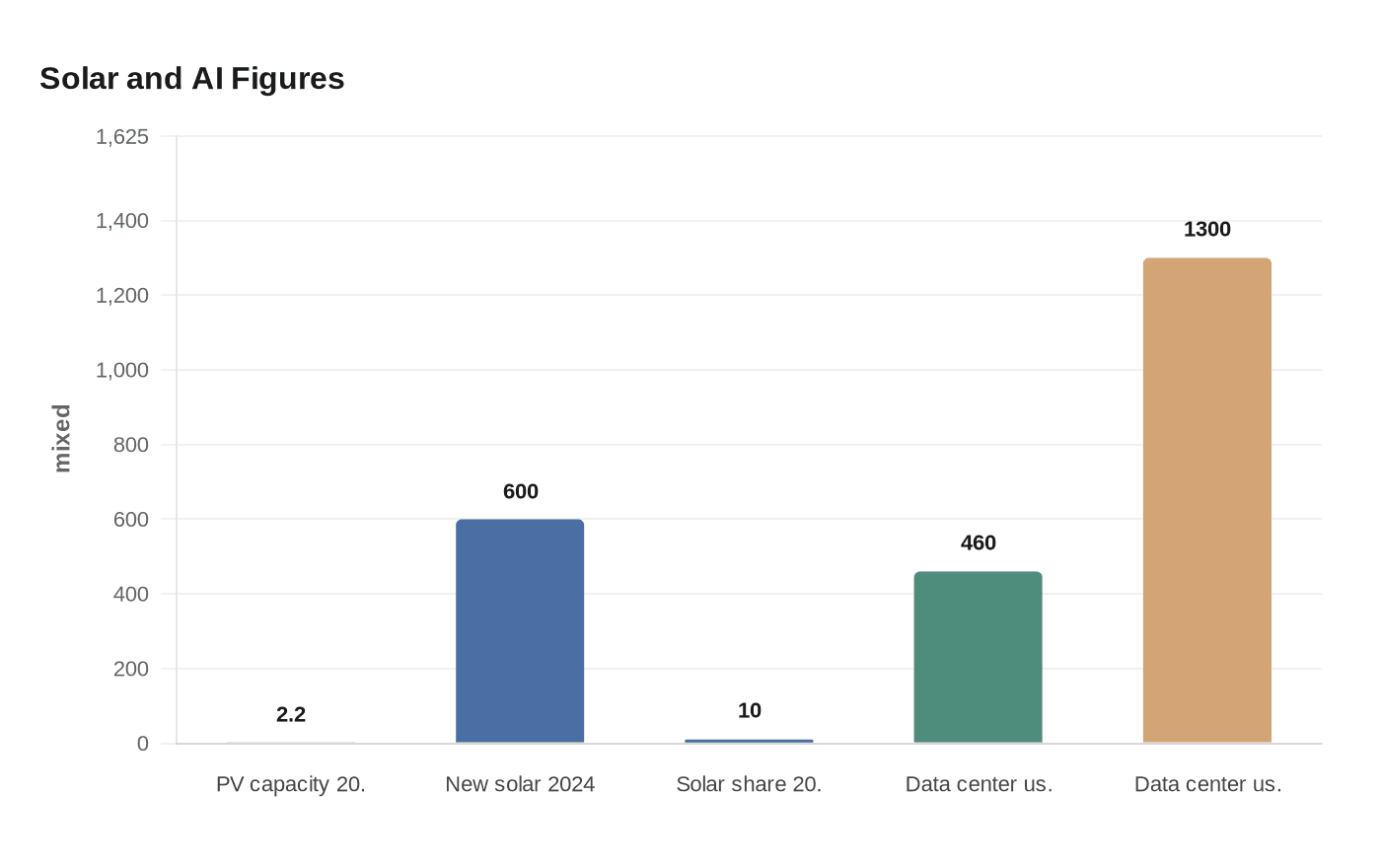
Solar is getting cheaper, faster and bigger, but the AI boom is bending power markets in the opposite direction. Global photovoltaic capacity rose to more than 2.2 terawatts in 2024, with over 600 gigawatts of new solar systems commissioned, and solar supplied more than 10% of global electricity consumption for the first time.
That momentum is set to continue. The International Energy Agency says renewable power capacity will grow faster between 2025 and 2030 than it did in the previous five-year period, with solar PV accounting for almost 80% of the global increase in renewable capacity. BloombergNEF says the benchmark cost of a typical fixed-axis solar farm was $39 per megawatt-hour in 2025, and it still expects solar costs to fall 30% by 2035.
Yet the energy transition now has a second, competing story: AI. The IEA’s 2025 energy-and-AI analysis projects electricity use from data centres will jump from 460 terawatt-hours in 2024 to more than 1,000 terawatt-hours in 2030 and 1,300 terawatt-hours in 2035. Today, data centres already consume about 415 terawatt-hours, or roughly 1.5% of global electricity use. By 2035, fossil fuels could still supply about 35% of the additional electricity consumed by data centres worldwide.
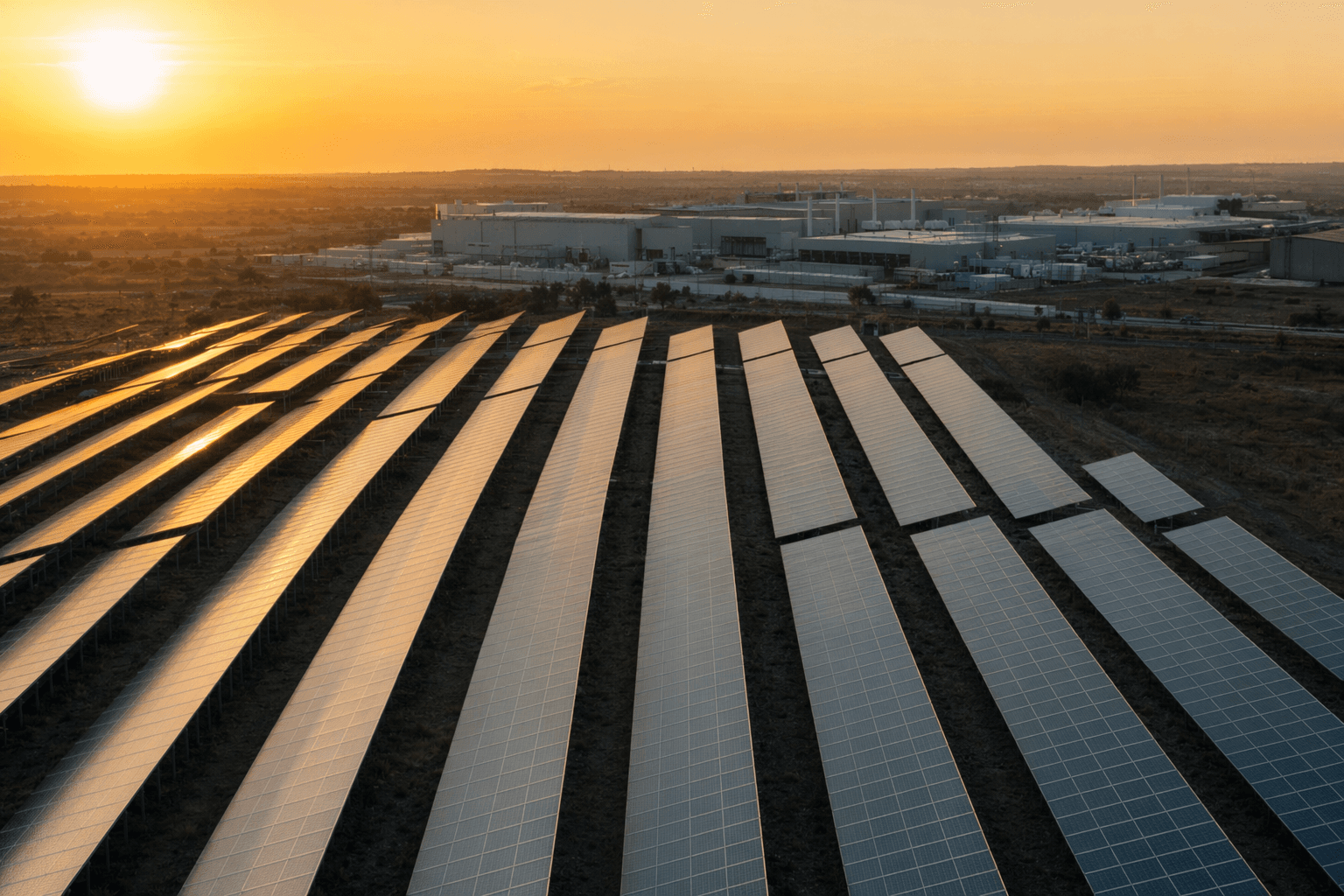
That is the paradox. Renewables remain the fastest-growing source of electricity for data centres, and the IEA says they will meet nearly half of the additional demand over the next five years. But natural gas and coal together are still expected to cover more than 40% of that incremental demand through 2030, a sign that grid build-out, storage and permitting are not keeping pace with the surge in server demand.
In the United States, the strain is already showing up in utility planning. The Energy Information Administration expects utility-scale solar generation to rise from 290 billion kilowatt-hours in 2025 to 424 billion kilowatt-hours in 2027, with nearly 70 gigawatts of new solar projects scheduled to come online in 2026 and 2027. Even so, the EIA says data-centre-driven load growth is pushing utilities to plan for record power demand, while other analyst research puts data centres at about 55% of projected utility load growth over the next five years.
The result is a messy bridge period for power markets. Solar is winning on cost and scale, but the AI buildout is pulling so much new electricity onto the system that fossil backup is likely to stay valuable longer than climate plans assumed. The bill for that mismatch will land with utilities, ratepayers and policymakers trying to expand the grid fast enough to match the next wave of demand.
Know something we missed? Have a correction or additional information?
Submit a Tip