Somalia faces aid cuts as U.S. freeze slashes humanitarian relief
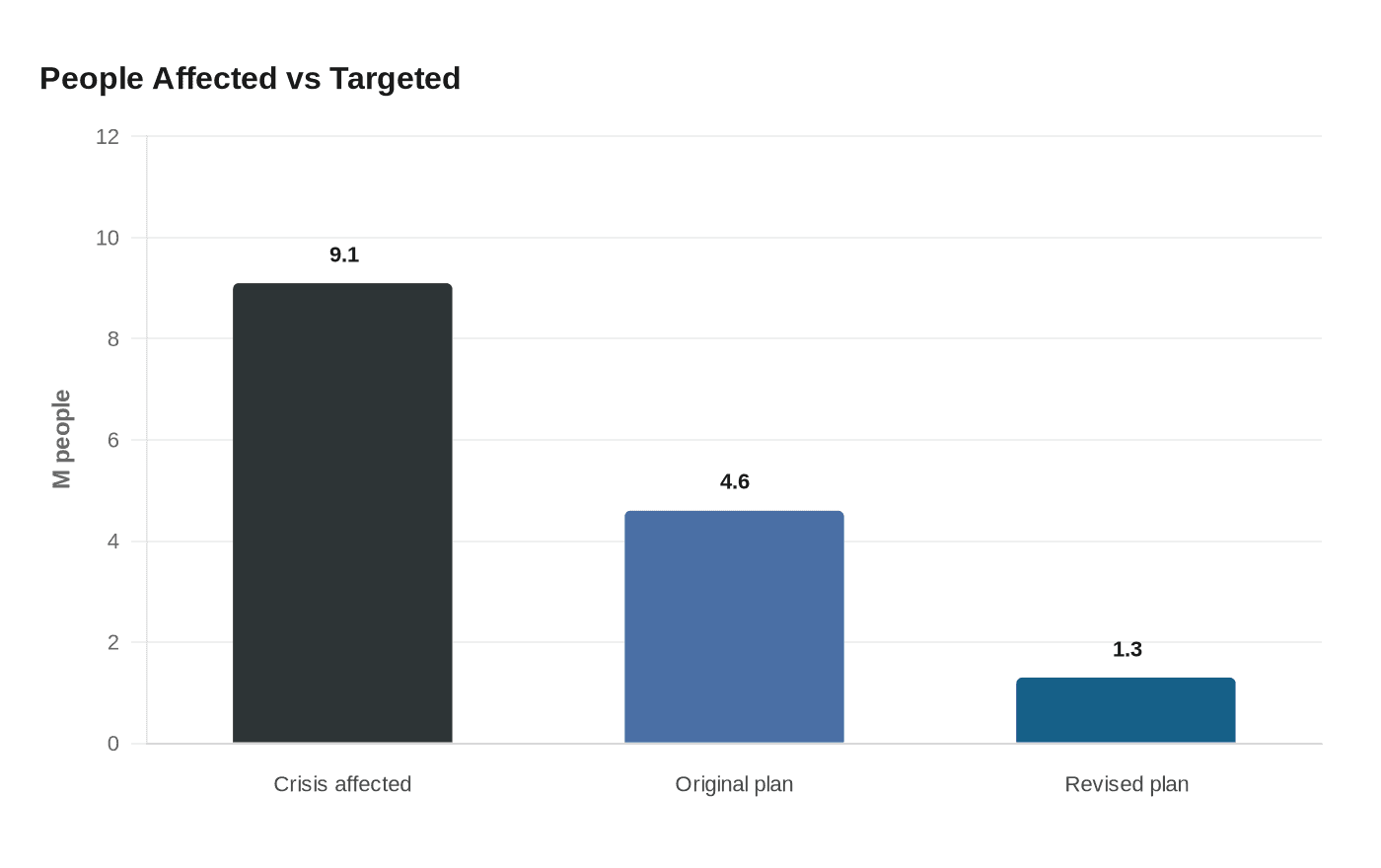
Somalia’s aid plan shrank from 4.6 million people to 1.3 million after donor cuts, even as 9.1 million faced crisis.
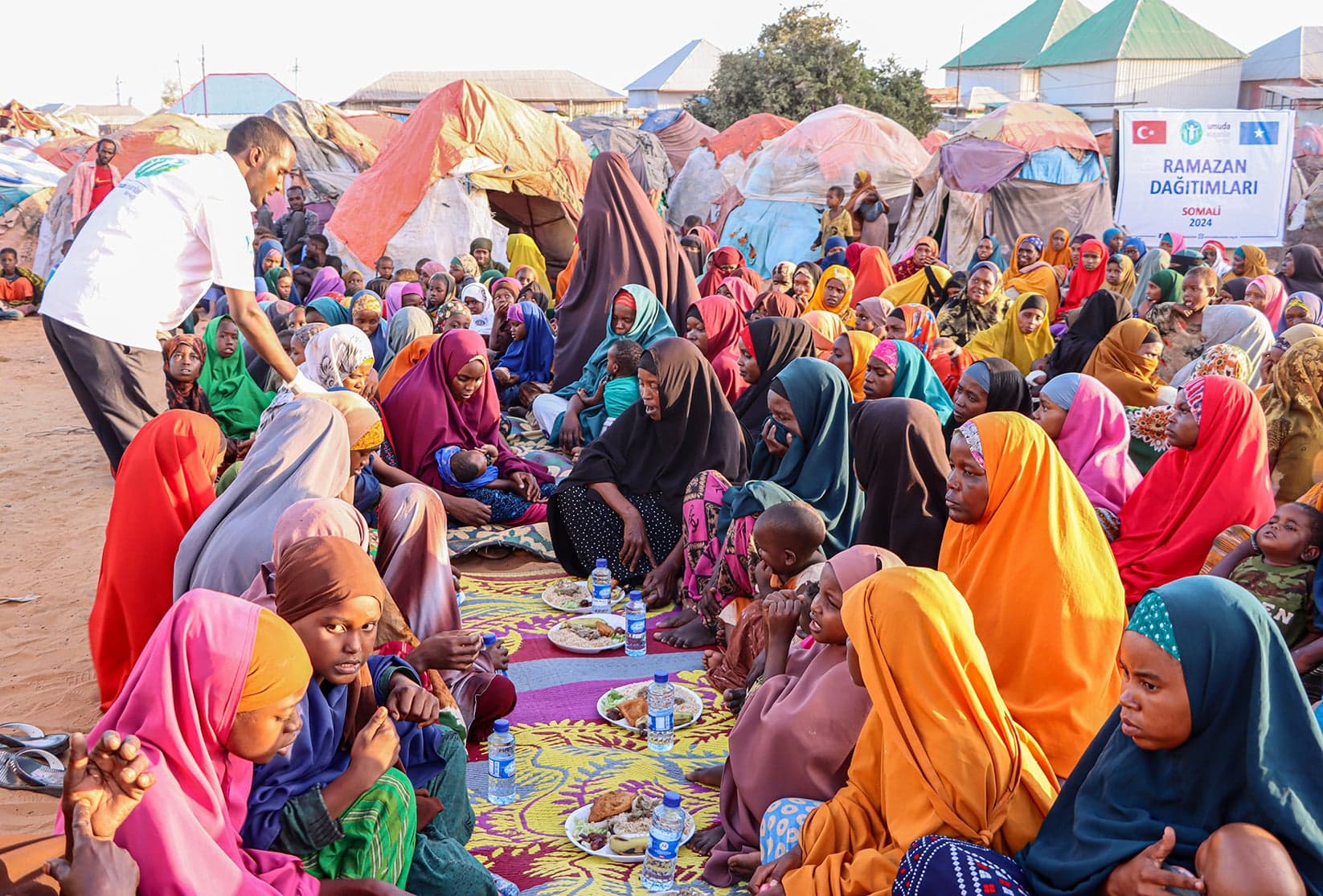
Food distributions, clinic visits and clean-water services were among the first losses when the U.S. freeze hit Somalia, forcing aid groups to pull back in a country where 9.1 million people are still affected by the humanitarian crisis. In camps and drought-hit districts, the practical result was immediate: fewer nutrition programs, fewer hygiene services and fewer health interventions reaching families already living with conflict, displacement and repeated climate shocks.
The United Nations Office for the Coordination of Humanitarian Affairs said Somalia’s 2025 Humanitarian Needs and Response Plan had originally been designed to help 4.6 million people at a cost of about $1.42 billion. After major donor cuts, the plan was reprioritized to reach only 1.3 million people for $367 million, a 72 percent reduction in the number targeted and a 74 percent cut in the funding ask. OCHA said the reprioritization did not mean needs had fallen. The underlying emergency, it said, remained urgent.
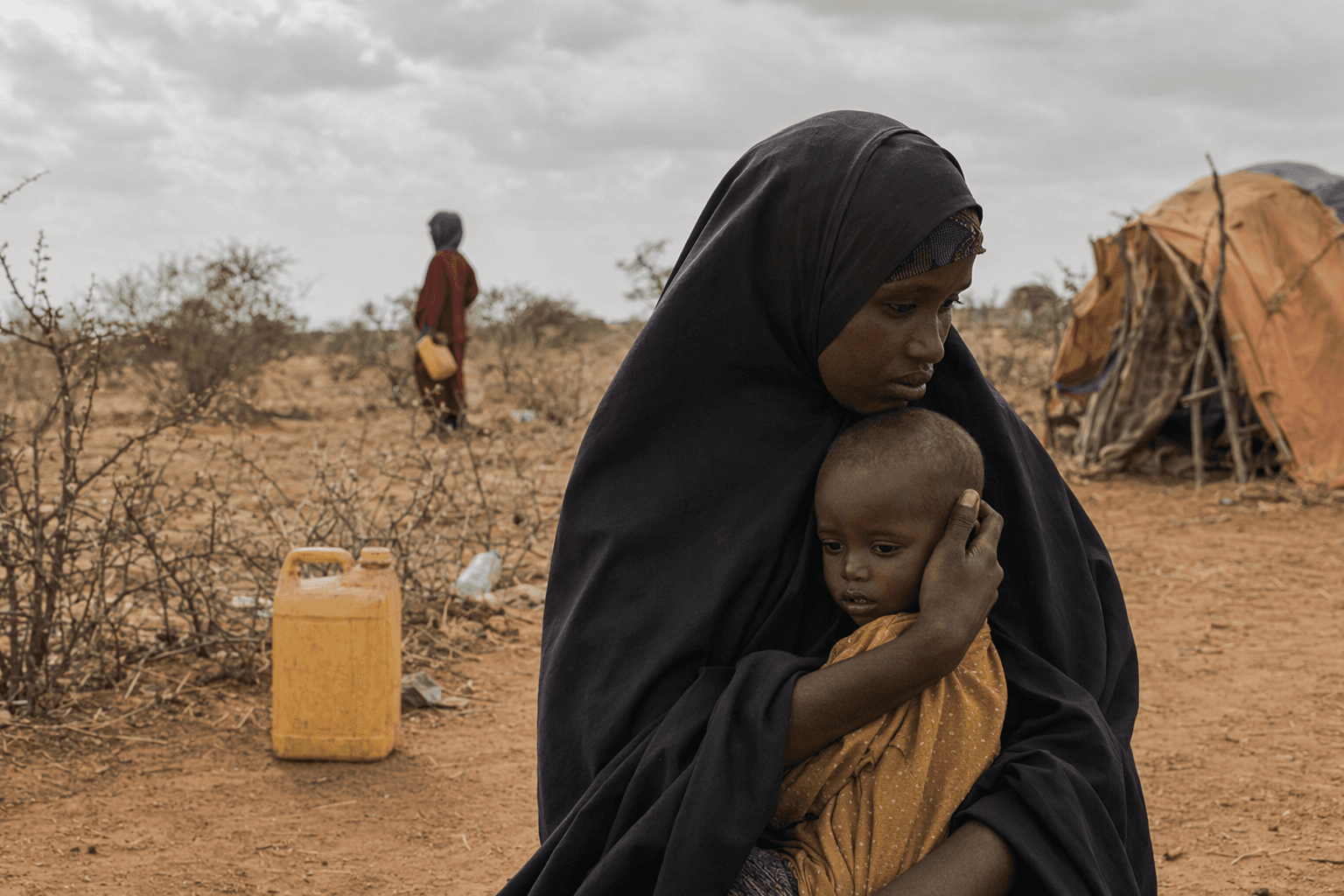
By late 2025, UNICEF said the broader Somalia response plan was only about 21 percent funded, while UNICEF’s own Somalia appeal was about 15 percent funded, leaving major gaps in health and water, sanitation and hygiene programs. The United States had reportedly suspended $125.5 million in USAID funding for Somalia that had been promised for October 2024 through January 2025, triggering stop-work orders and forcing aid agencies and local nongovernmental groups to scale back or close programs.
Somali aid workers and camp residents described the cuts as abrupt and destabilizing. In Mogadishu and in displacement sites such as Dooxdoox IDP camp, reduced funding translated into interruptions in nutrition support, hygiene assistance, health services and other basic relief that families depend on to get through each month. The Somali NGO Consortium said local organizations were caught in the middle as funding stopped and operations were forced to slow down or shut down.
The emergency is made worse by disease and climate stress. OCHA says Somalia has seen uninterrupted acute watery diarrhea and cholera transmission since 2017, driven by weak water and sanitation systems, gaps in health infrastructure, chronic funding shortages and seasonal flooding. In a country already strained by drought, conflict and mass displacement, the question is no longer whether cuts save money in Washington or other donor capitals. It is how much deeper the bill becomes when clinics close, water systems fail and hunger spreads faster than relief can reach it.
Know something we missed? Have a correction or additional information?
Submit a Tip