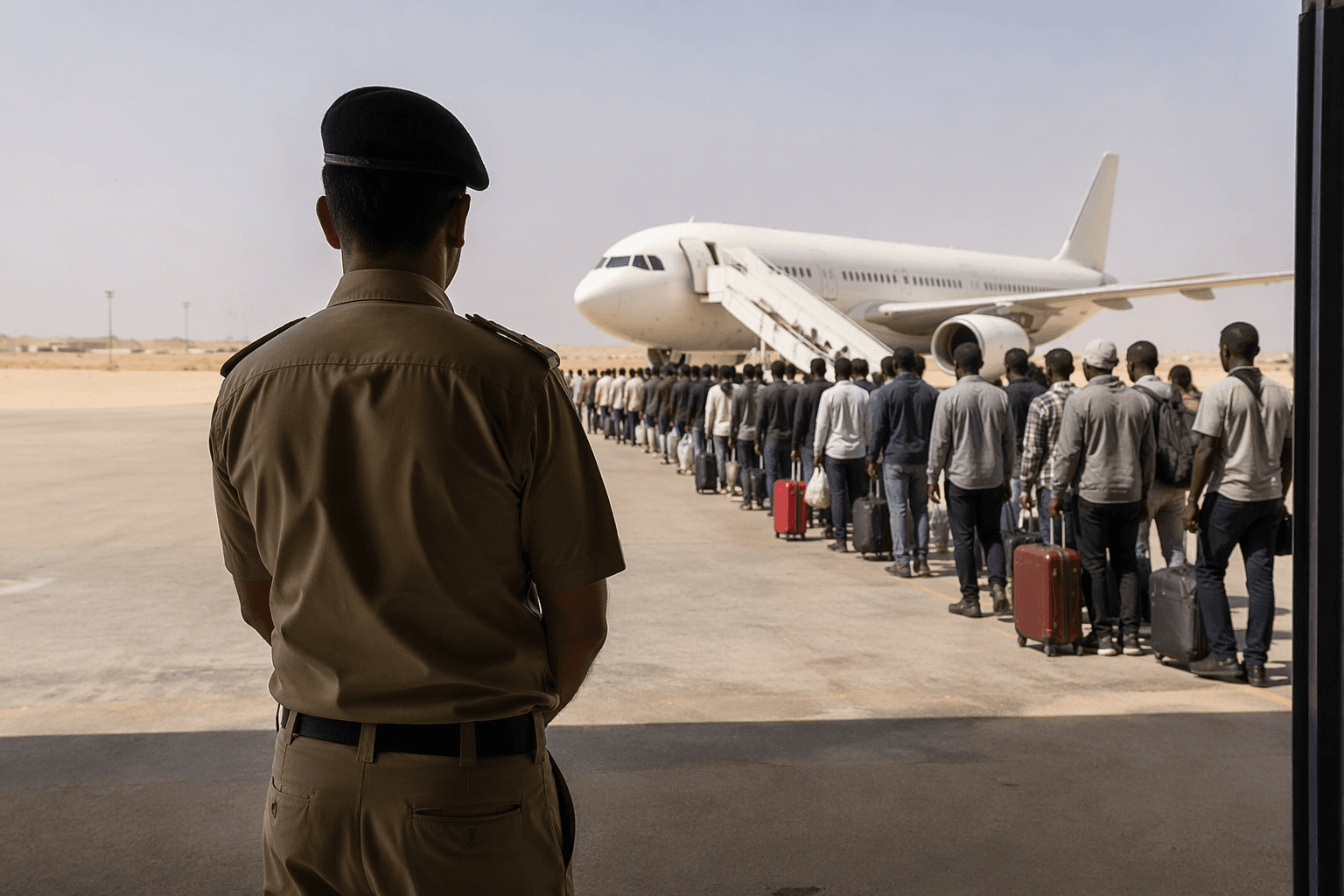
Somalia opposition calls protests over presidential term extension
Gunfire in Mogadishu followed a disputed one-year term extension, as opposition leaders said Somalia’s delayed election plan had become a constitutional crisis.
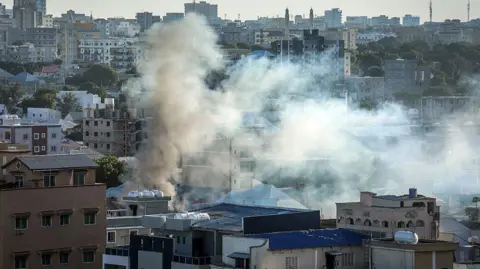
Gunfire and rocket-propelled grenades rattled central Mogadishu as Somali police said they were confronting heavily armed militias, turning a fight over elections into a street-level security crisis. Former Prime Minister Hassan Ali Khaire said he was attacked by government forces while preparing for Thursday’s "peaceful" demonstrations, and former President Sharif Sheikh Ahmed said the violence would not stop the planned protests.
The confrontation followed Somalia’s parliament backing constitutional changes in March 2026 that could extend President Hassan Sheikh Mohamud’s term by a year and push back elections expected in 2026. Officials said the revised framework would keep the president and parliament in office until May 15, 2027, after changing both mandates from four years to five. Mohamud’s current term had been due to expire on May 15, 2026, while parliament’s mandate was set to end on April 14, 2026.
The federal government has rejected opposition claims that Mohamud’s mandate expired, arguing that the amendments legally extended federal institutions for another year. Opposition lawmakers say the changes were pushed through without broad political consensus and cannot be used to prolong the president’s rule. Talks between the government and opposition in Mogadishu reportedly lasted three days, but ended without agreement as disputes over the electoral model, constitutional changes and the political transition hardened.
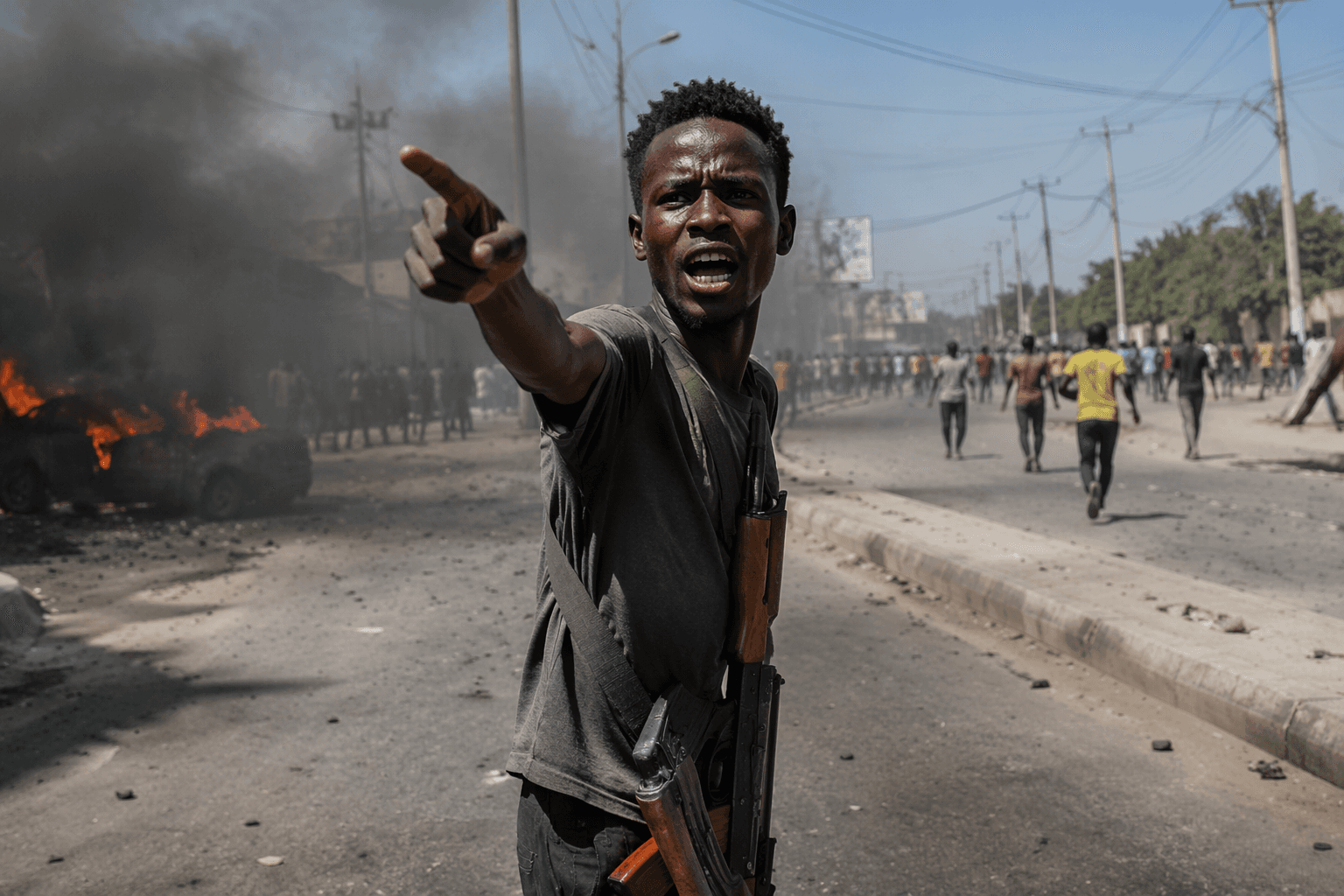
Police said they were carrying out a "large-scale security operation" against heavily armed militias that launched mortar attacks in some parts of the city. Witnesses reported clashes between opposition fighters and Somali police in central Mogadishu, and the number of casualties was not immediately known. The United States embassy in Mogadishu called the violence "reckless" and said leaders on all sides had a duty to preserve stability and resolve differences peacefully.
The crisis lands in a country still struggling to move away from an indirect clan-based political system toward one-person, one-vote elections. Somalia last held such an election in 1969, and in the 2021 election cycle only about 28,000 voters in a country of 15 million chose the country’s politicians. The last delayed vote also kept former President Mohamed Abdullahi Farmaajo in office for an extra 15 months.
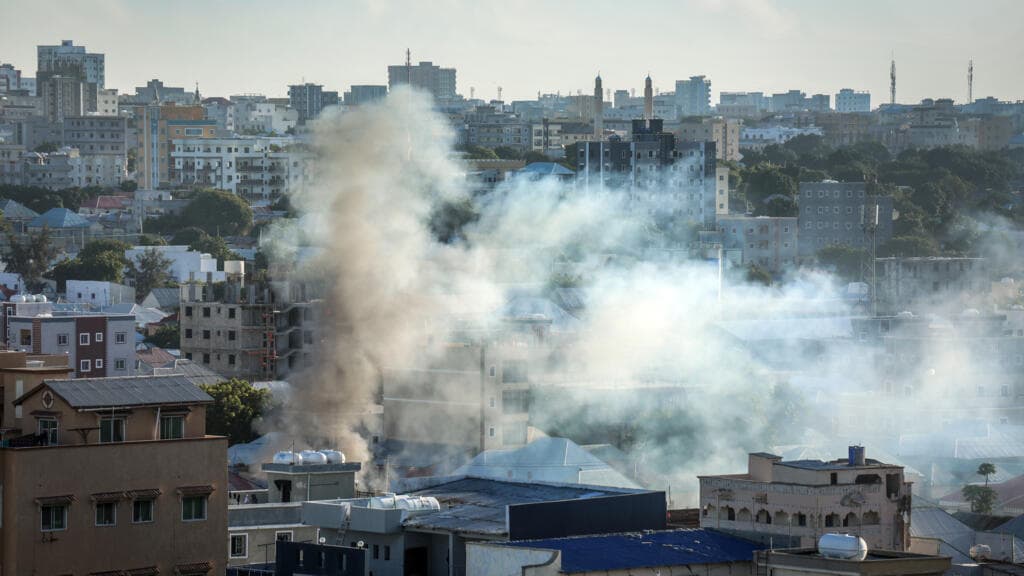
That history helps explain why the current standoff carries weight beyond Mogadishu. Somalia has endured conflict and clan battles without a strong central government since the fall of Mohamed Siad Barre in 1991, and al-Shabab still controls vast parts of the countryside while retaining the ability to strike major population centers. The United Nations, African Union and IGAD have urged Somali leaders to resume dialogue, avoid escalation and strike an inclusive political agreement before the dispute deepens into a wider regional security threat.
This article was produced by Prism’s automated news system from verified source data, official records, and press releases, then run through automated quality and moderation checks before publishing. The system is built and supervised by the people who set the standards it runs under. Read our full AI policy.
Know something we missed? Have a correction or additional information?
Submit a Tip