Sony enters RGB LED TV race with True RGB display for 2026
Sony is pushing “True RGB” into spring 2026, aiming above Mini LED and standard LED while still chasing OLED on the one metric it cannot match: black levels.
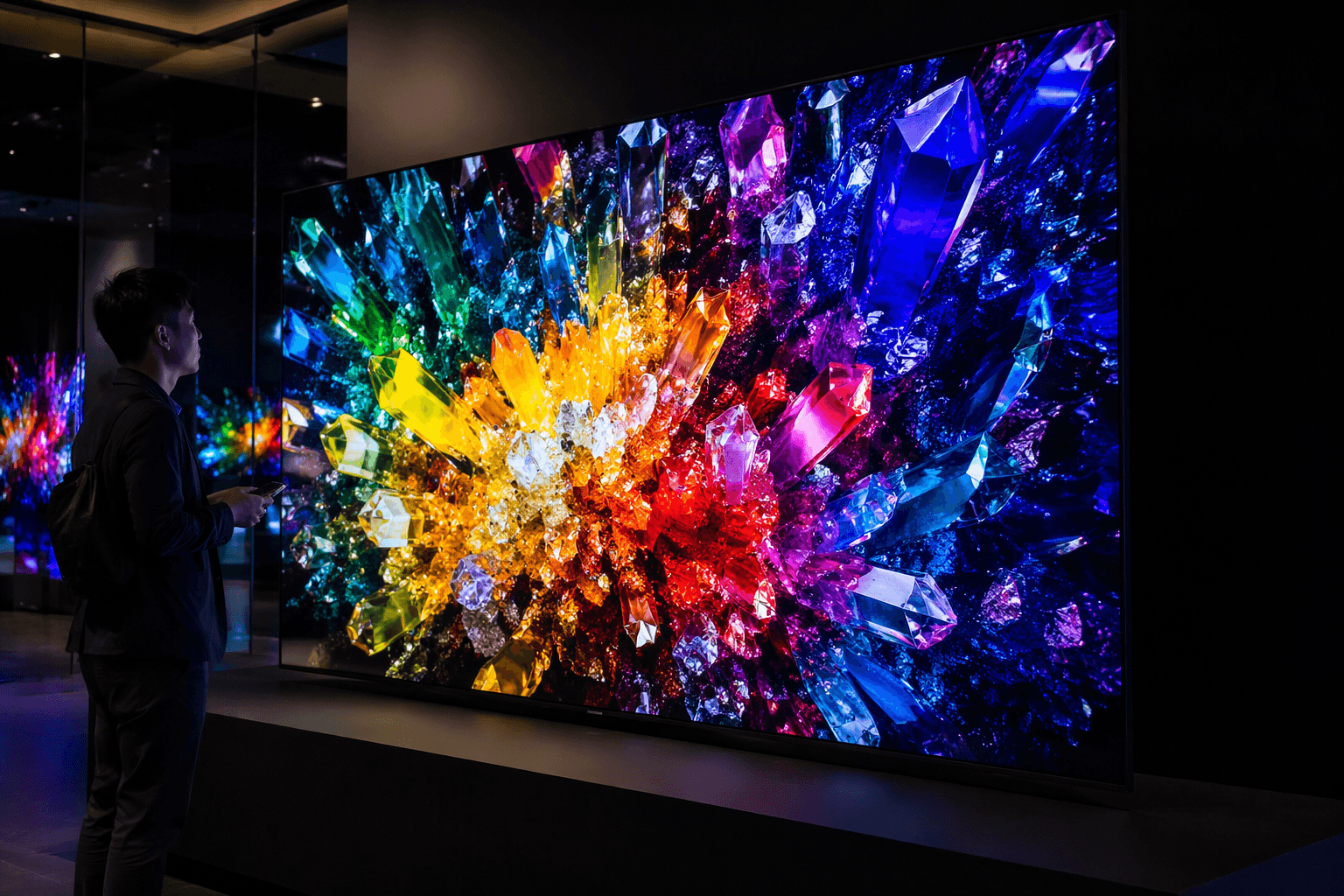
Sony is moving into the RGB LED race with a display it has branded “True RGB,” a premium TV technology it says will arrive in spring 2026. The pitch is straightforward but demanding: deliver more brightness and more color than today’s high-end LCD sets, without pretending to beat OLED at the one thing OLED still owns, contrast.
Sony first described the system on March 14, 2025, as a next-generation display architecture using proprietary signal processing to control high-density red, green and blue LED backlights individually. In later preview material, Sony tied the technology to film production and a more cinematic home viewing experience, signaling that the company sees this as a flagship showcase rather than a mass-market refresh.
That positioning matters because RGB LED is entering a tightly defined consumer-value test. It has to justify a price above conventional LED and Mini LED sets by offering visible gains in brightness and color volume, yet it is still an LCD-style backlit system, not an OLED panel with self-emitting pixels. Sony’s own lineup makes the hierarchy clear. The BRAVIA 8 II OLED sits at the top of Sony’s current consumer range, while the BRAVIA 9 Mini LED is the company’s flagship Mini LED model. True RGB is being placed above or beside those premium tiers, not alongside entry-level LED televisions.
Industry coverage heading into CES 2026 said Sony skipped a major TV lineup reveal in Las Vegas, Nevada, and instead planned to hold back details for spring. RTINGS.com reported in April 2026 that Sony was expected to stage an insider event in early spring and bring its 2026 TVs to market in April or May. That timing suggests Sony wants the first true RGB set to land as a statement piece, not as a routine annual update.
The consumer question is whether RGB LED solves a real viewing problem or mainly creates a new luxury tier. Sony’s supporters point to wider color volume, with one Sony community post citing up to four times the color volume of OLED. That kind of claim speaks directly to vivid HDR content, bright rooms and demanding video workflows. But OLED still holds the advantage in perfect blacks and native contrast, which means Sony’s new display will be judged less as a replacement for OLED than as a premium alternative for buyers who prioritize brightness, saturation and spectacle over absolute darkness.
This article was produced by Prism’s automated news system from verified source data, official records, and press releases, then run through automated quality and moderation checks before publishing. The system is built and supervised by the people who set the standards it runs under. Read our full AI policy.
Did this article answer your question?