Sourdough Troubleshooting Checklist: Solve Starter, Sourness, Dense Crumb, Collapse
Troubleshoot common sourdough failures quickly with a practical checklist of causes and fixes so you can save loaves and stabilize your process.
When a starter stalls, loaves collapse, or the crumb turns gummy, the problem is usually a handful of controllable variables rather than mystery microbes. This checklist gives direct causes and fixes so you can diagnose starters, tame excess sourness, revive oven spring, and stop collapse without a long trial-and-error run.
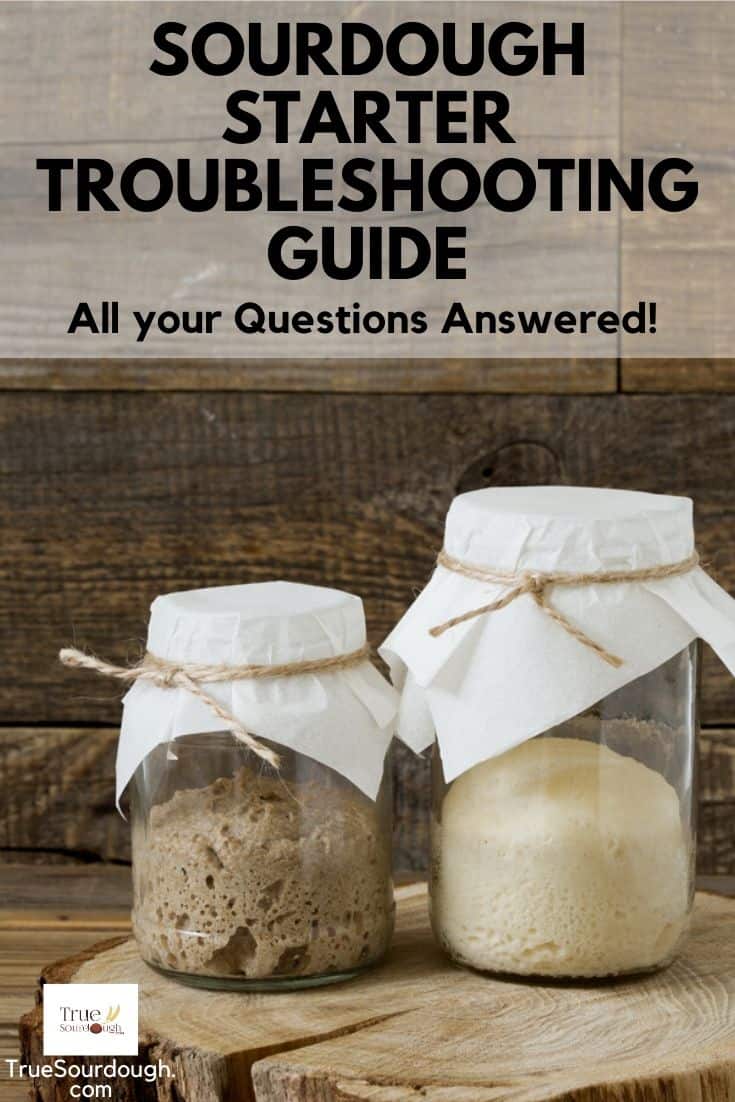
If your starter won’t rise predictably, temperature and feeding rhythm are the usual culprits. Move the jar to a warmer spot around 75-80°F (24-27°C), increase the refreshment ratio to 1:2:2 or 1:3:3, and use filtered or dechlorinated water. Feeding the same flour brand for several days helps stabilize the microflora. Keep a small, active mother and build a levain for each bake rather than putting the mother straight into big doughs.
Very sour bread often means overfermentation or too much levain. Shorten bulk fermentation, reduce levain percentage, ferment at cooler temperatures, or build a younger levain closer to peak activity instead of using an overripe one. A slightly higher salt percentage will also slow microbial activity and tame acidity. If the crust is overly sour while the crumb is mild, surface acidification from a long cold proof or extended surface fermentation may be the cause; increase steam at the start of the bake and consider shortening the cold proof.
Dense crumb and poor oven spring come from underproofing, weak gluten, or insufficient strength building in high-hydration doughs. Give longer bulk or final proof times, switch to higher-protein flour, and add regular stretch-and-folds or lamination to develop structure. For very wet doughs, perform lamination or extra stretch-and-folds to build strength before shaping.
A collapsed loaf is most often overproofed or shaped with weak structure after overfermentation has broken down gluten. Reduce final proof time, use a levain built to peak rather than late ripe, and focus on strengthening the dough earlier in the process so it can hold an oven spring.
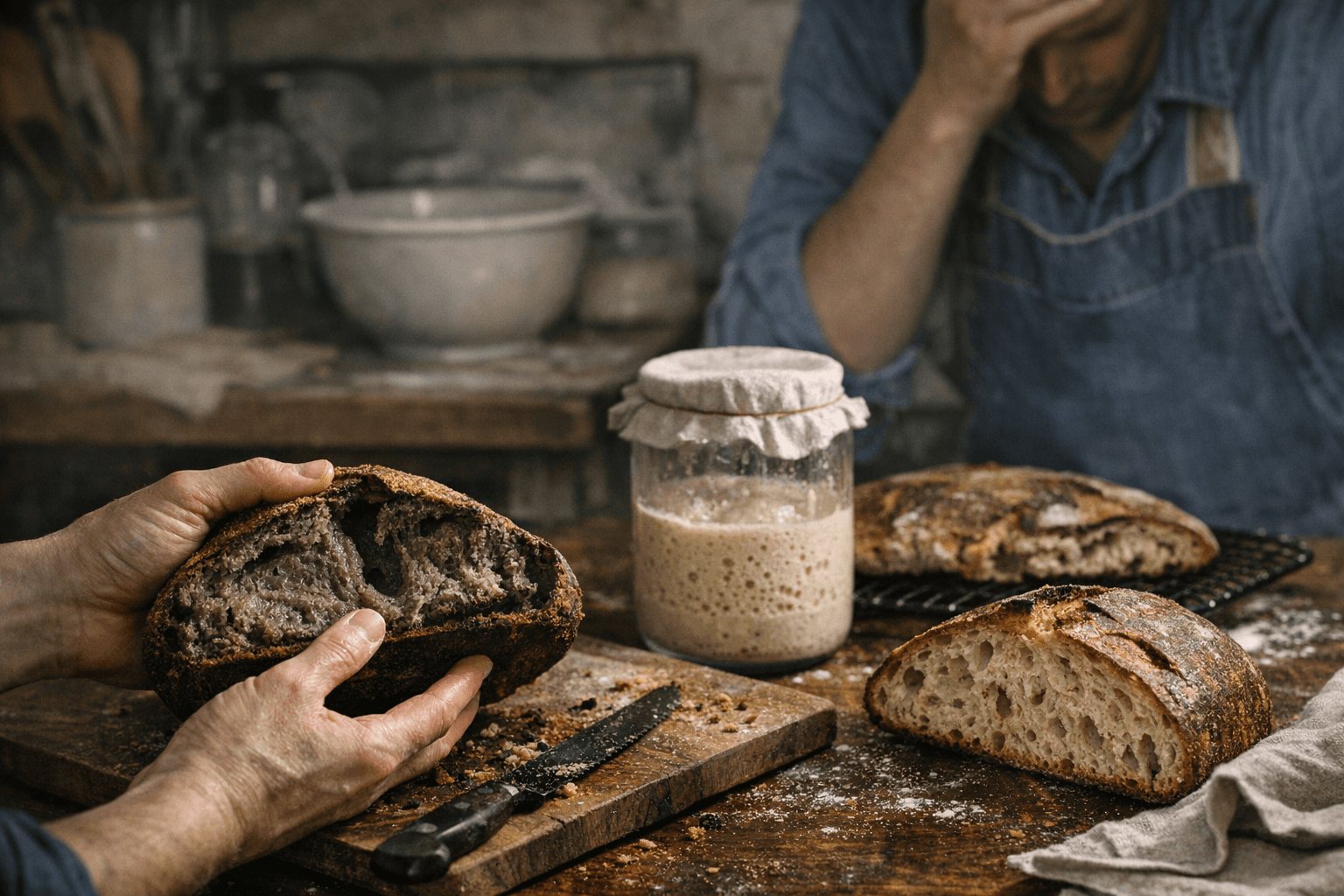
A gummy or tacky crumb signals underbaking, too-high hydration without full gelatinization, or underdeveloped structure. Aim for an internal temperature of roughly 205-210°F (96-99°C) for a lean sourdough, extend bake time or finish at a lower temperature, slightly reduce hydration, or increase mixing and strength-building steps.
Starter safety matters: a solvent or acetone smell, or a pink or orange tinge, indicates contamination or neglect. Sanitize the container, discard contaminated starter, and rebuild from a healthy active sample or start anew with fresh flour and water.
For consistency between bakes, standardize your routine. Weigh ingredients, control water and room temperature, and keep a short bake log that records starter feed times, levain percentage and peak time, bulk and final proof durations, final dough temperature, and oven settings. Those small notes reveal patterns fast and turn guesswork into repeatable results.
This checklist puts practical fixes in your hands so you can stop wasting flour and start saving good loaves. Apply one change at a time, record the result, and you’ll see the tweaks add up to steadier starters, better crumb, and fewer sinks.
Know something we missed? Have a correction or additional information?
Submit a Tip