South Africa anti-immigrant protests threaten workers, growth and migrant businesses
Door-to-door searches in Alexandra have pushed migrants out just as unemployment hit 32.7% and growth was cut to 1.0%.
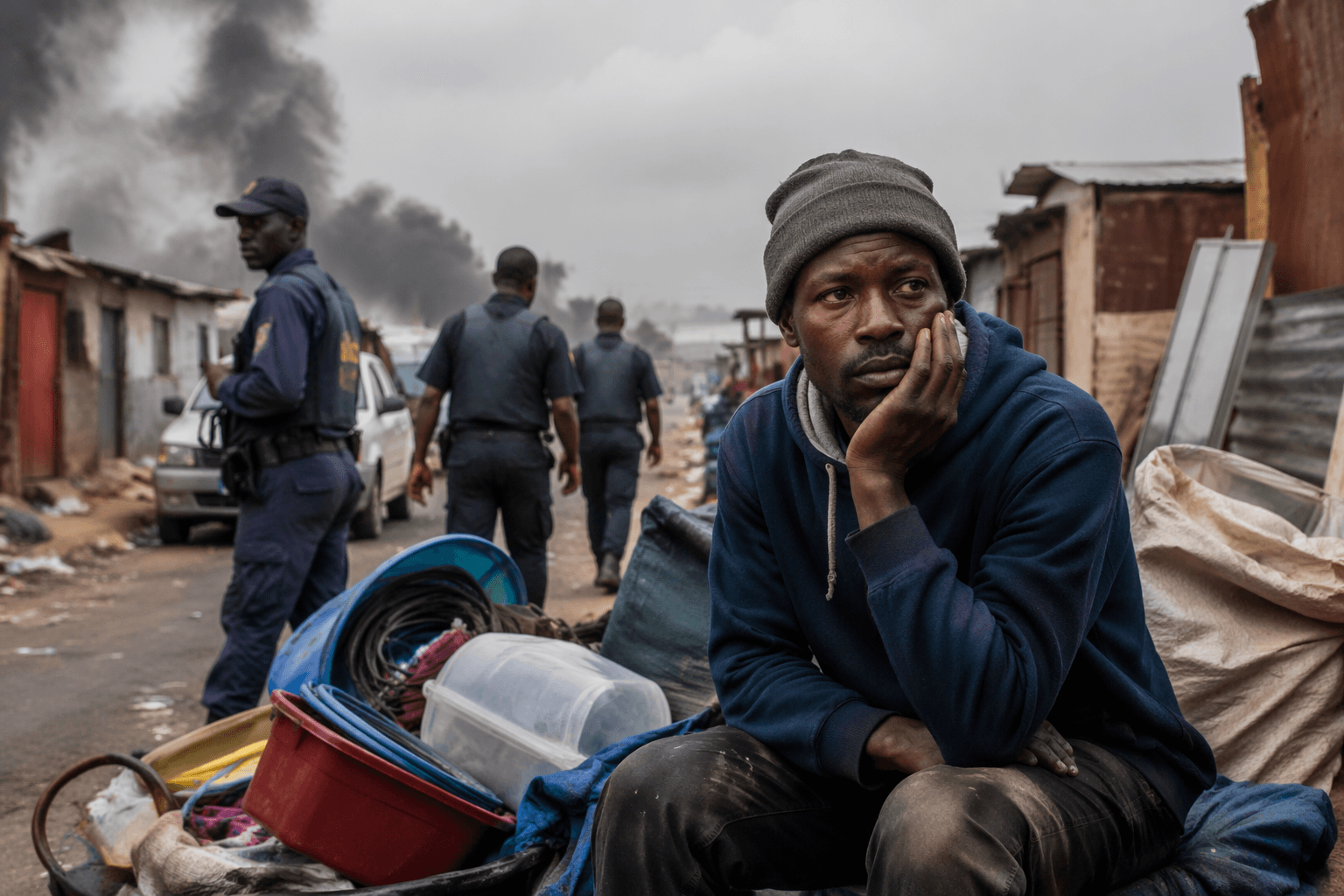
Door-to-door searches in Johannesburg’s Alexandra township have turned anti-immigrant anger into a direct threat for workers, shopkeepers and the wider economy, with residents handing suspected undocumented foreigners to police after an unofficial June 30 deadline expired. The campaign has spread beyond one neighborhood, driven thousands of migrants to leave South Africa and forcing businesses in several cities to close as police moved in.
The political appeal is clear: unemployment stood at 32.7% in the first quarter of 2026, up from 31.4% in the previous quarter, with 8.1 million people out of work, according to Statistics South Africa. The World Bank cut South Africa’s 2026 growth forecast to 1.0% in June, underscoring how little room the country has for further disruption. That is the economic backdrop behind the protests, but it is also what makes the unrest so risky for the people and sectors most exposed to it.

Foreign workers are deeply embedded in South Africa’s economy, especially in construction, farming, hospitality, retail, transport and the informal sector. United Nations data cited in the debate put the migrant population at about 2.6 million in 2024, roughly 5% of the country. A joint OECD and International Labour Organization analysis has found that immigrants can raise income per capita and are not associated with lower employment among native-born South Africans, a finding that cuts against the idea that migrant removal will unlock jobs at scale.
The pressure is already visible in retail. Foreign-owned spaza shops have been among the hardest hit, and disruption has extended to delivery networks such as Shoprite Group’s Sixty60 service, where fewer than a quarter of drivers were South African. If migrants continue leaving and small operators shut down, the economic cost will land first in the neighborhoods where those businesses serve daily demand and employ local people through supply chains, transport and informal trade.
South Africa has lived through this cycle before. Xenophobic violence in 2008 killed more than 60 people and displaced at least 100,000, and later attacks in 2015 left people dead and businesses destroyed. The current wave follows the same pattern of grievance, township politics and vigilantism, but with more organization and more visibility. On June 7, President Cyril Ramaphosa addressed concerns over foreign nationals in township spaza shops, reflecting the political sensitivity of an issue that now reaches far beyond immigration policy and into growth, policing and local commerce.
This article was produced by Prism’s automated news system from verified source data, official records, and press releases, then run through automated quality and moderation checks before publishing. The system is built and supervised by the people who set the standards it runs under. Read our full AI policy.
Did this article answer your question?