South African councilman seeks Trump refugee status, citing fear of persecution
A South African provincial councilman sought U.S. refugee status, despite saying he has not faced direct abuse, in a test of Trump’s Afrikaner pathway.

SJ Du Venage is asking the United States for refugee protection even though he says he has not personally suffered tangible mistreatment, turning a highly charged political dispute into a test of whether fear of future persecution is enough to qualify. The 56-year-old provincial councilman belongs to Freedom Front Plus, a right-wing white Afrikaner party inside South Africa’s governing coalition.
Du Venage said his decision was shaped by fears he has carried since youth about what could happen to white South Africans if they lost political control. He once served as a youth leader in the far-right Conservative Party, which opposed the end of apartheid, and he said activism around farm murders had made him feel exposed. After organizing a memorial for a white farmer whose 2020 killing became a racial flash point, he said he received a threatening message.
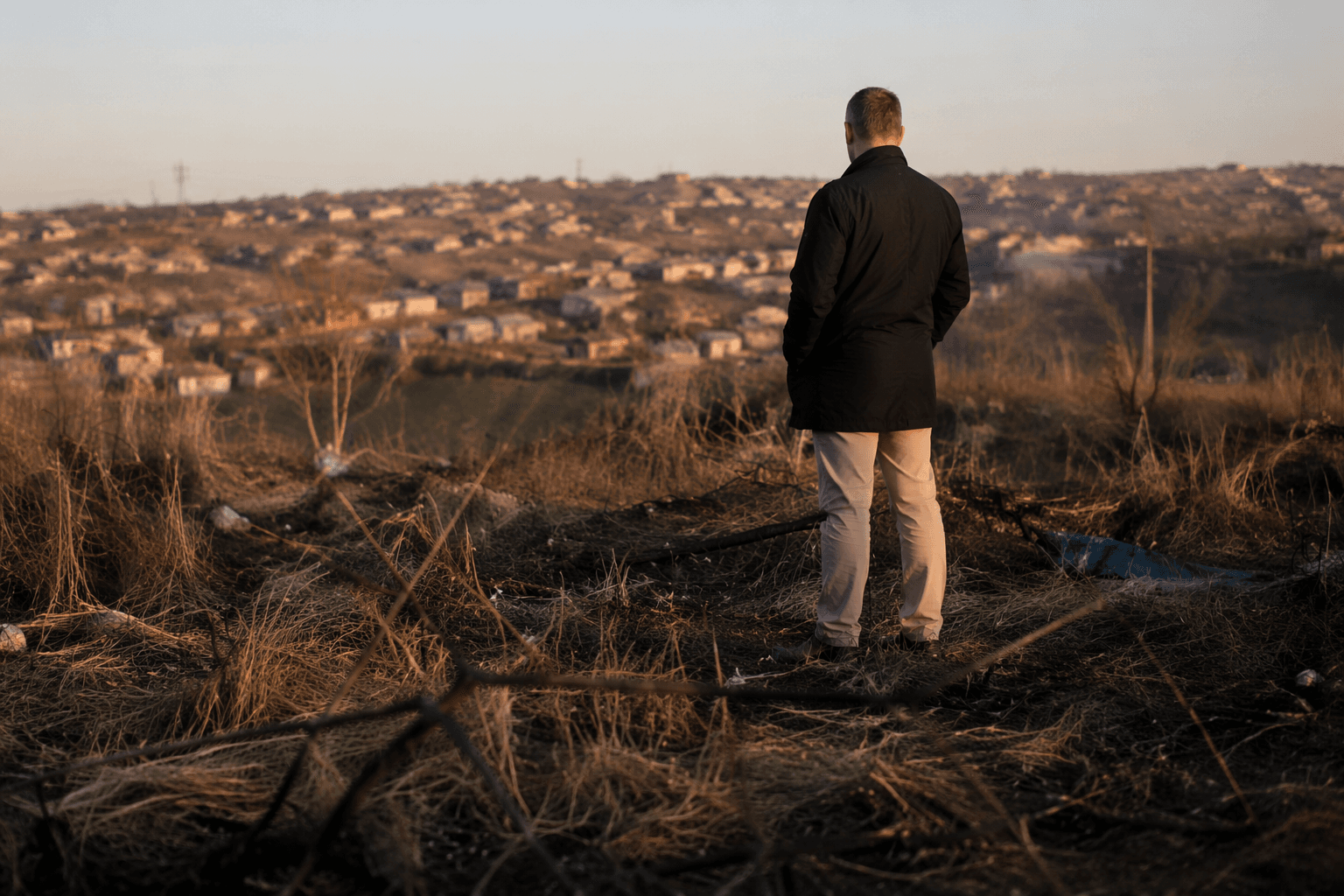
He said the application process was concrete and personal. He sold his home, completed medical and background checks, and spent seven hours in an interview with U.S. Citizenship and Immigration Services in Pretoria in February. He is now waiting to learn whether he has been accepted. The U.S. Embassy in South Africa says the program is aimed at Afrikaners and certain racial minorities who can articulate past persecution or a credible fear of future persecution, and it does not anticipate out-of-country processing.
The case carries wider diplomatic and political weight because it arrives as Donald Trump has sharply expanded the refugee channel for white South Africans. In May 2026, he raised the fiscal 2026 refugee admissions ceiling by 10,000, bringing the total to 17,500. By the end of April, 6,000 white South Africans had already been admitted, while only three non-South African refugees had entered under the same fiscal-year cap.
South Africa’s government has rejected the premise behind the program. Foreign ministry spokesperson Chrispin Phiri said the claim that white Afrikaners endure systemic persecution is “entirely without foundation.” Officials have also said the so-called white genocide narrative is widely discredited and unsupported by reliable evidence. Police Minister Senzo Mchunu said on May 23, 2025, that reporting on farm murders has historically been distorted and that Black victims have often been the majority.
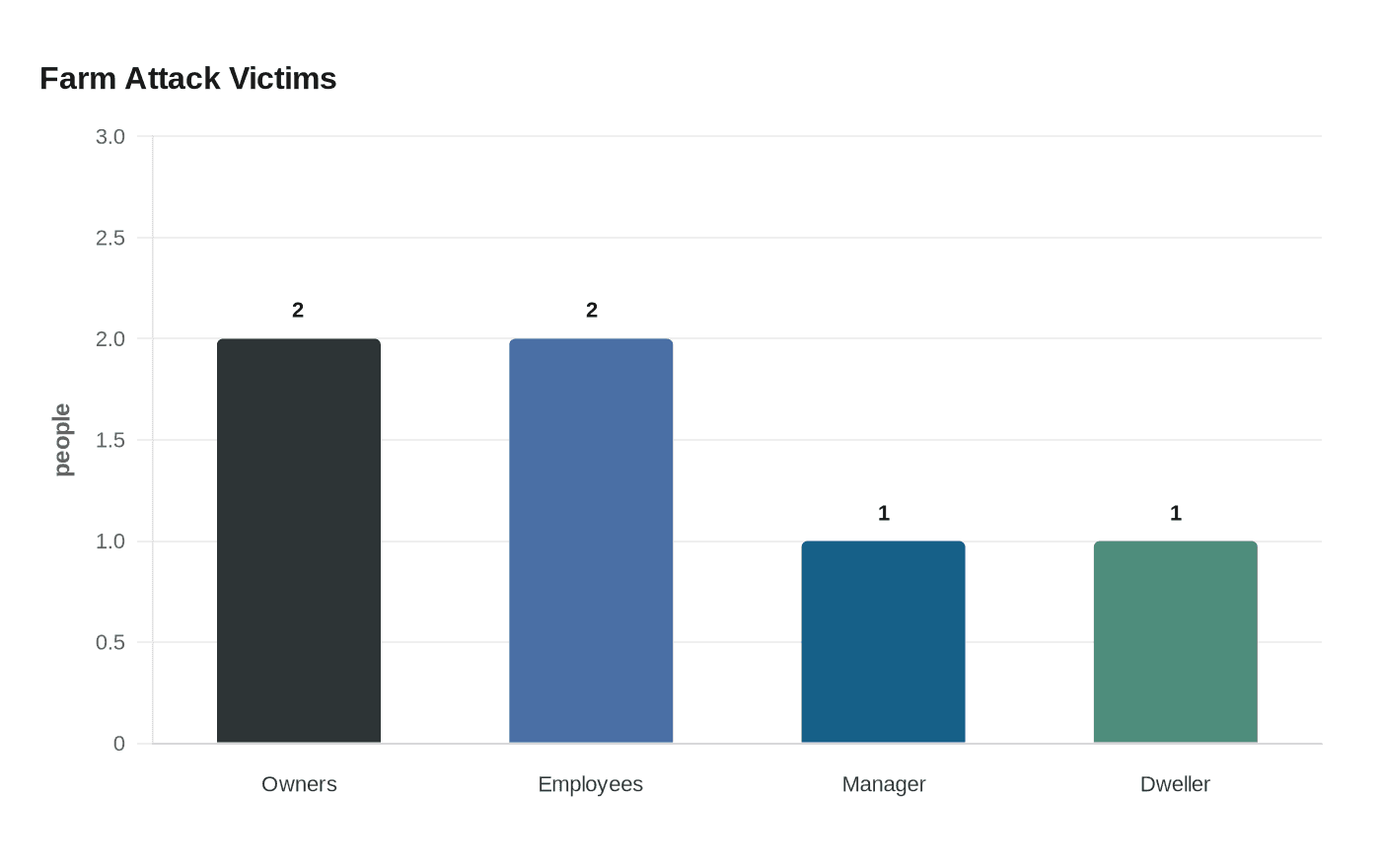
Mchunu said that for the quarter ending March 31, 2025, South Africa recorded six farm attacks: two farm owners, two farm employees, one farm manager and one farm dweller were among the victims. He said the two murdered farm owners in that period were African and not white. South African officials have argued that the National Rural Safety Strategy is meant to improve safety in rural areas, and that land invasions are unlawful acts of desperation, not state policy.
The politics around Du Venage’s application are complicated further by evidence that white South Africans do not share a single view of danger or exile. In March 2026, some white South Africans were reported returning home from abroad, citing lower living costs, family ties and improved conditions in South Africa, a reminder that fear, migration and political identity are colliding in ways that do not fit neatly into the language of refugee law.
This article was produced by Prism’s automated news system from verified source data, official records, and press releases, then run through automated quality and moderation checks before publishing. The system is built and supervised by the people who set the standards it runs under. Read our full AI policy.
Know something we missed? Have a correction or additional information?
Submit a Tip